Korva is a scroll of the internet’s best ideas.
Power bills blame wires, not AI

Where the costs sit
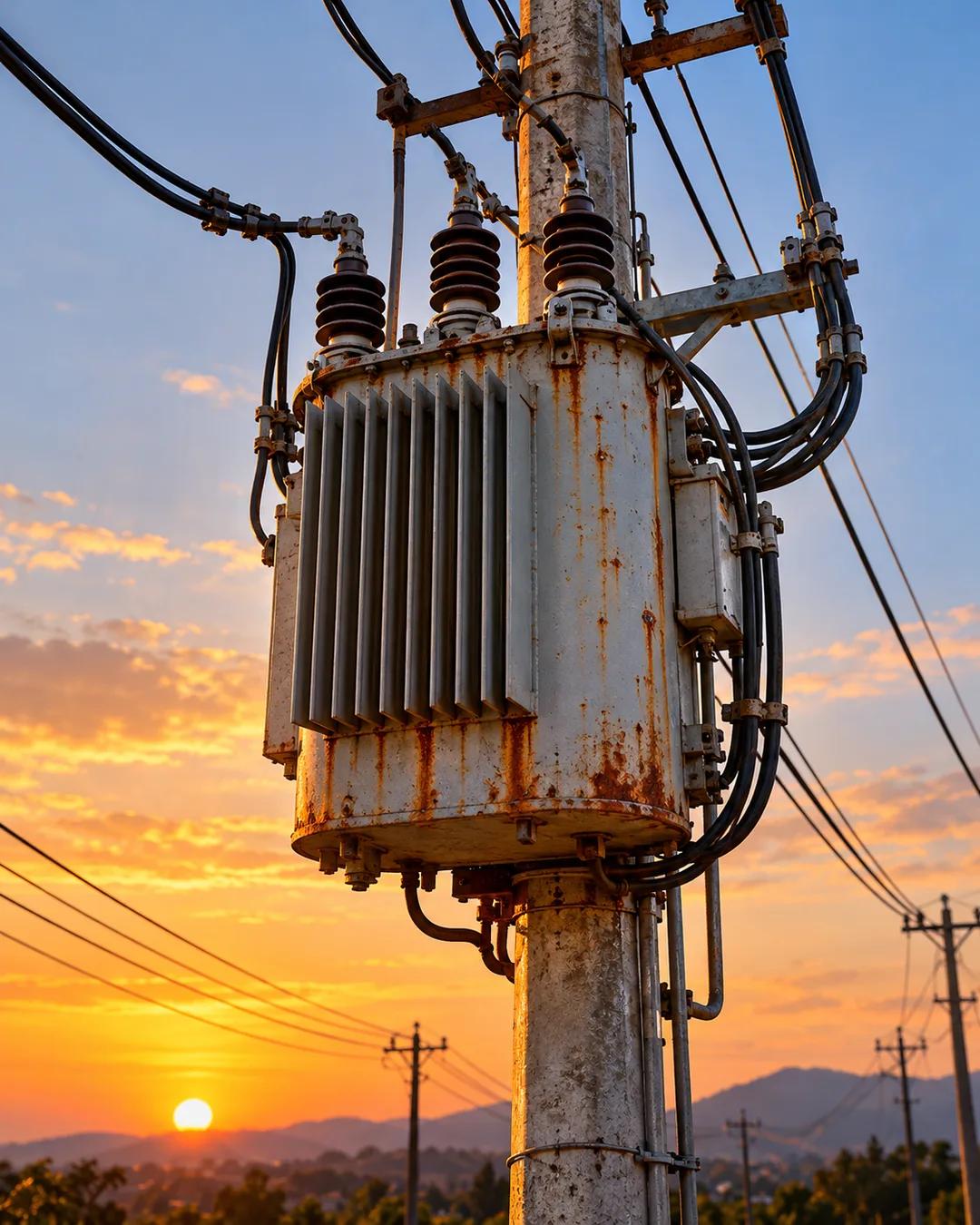
Transformers and wires have been hit by tariffs and post-Covid labor costs, and decades of deferred investment have piled onto both. The expense sits in maintenance and in the supplies needed to build out the grid, rather than in the energy itself.
Policy pressure
The policy picture adds pressure. The big beautiful bill signed on July 4 of last year terminated most IRA clean energy credits years ahead of schedule, and analysts project it will cut new clean energy additions to the grid by 50 to 70 percent by 2035.
Why renewables persist
Economics might still win. Renewables keep getting built because they are the cheapest and fastest way to add grid capacity, and as China goes deeper into solar panel production and batteries, the scale makes them cheaper still. A spike in oil prices could add a jolt of private sector investment on top.
Why are transformers so hard to get?
Large power transformers are built to order rather than mass produced. Each one can weigh hundreds of tons and relies on grain-oriented electrical steel, which only a few plants make. A utility typically orders them well before a project begins.
How do grid upgrades end up on power bills?
In much of the US, state regulators approve the rates that utilities charge. A utility recovers the cost of poles, wires, and substations over many years through those rates, plus an allowed return on the investment. Spending on the grid therefore shows up in customer bills gradually, often after the equipment is installed.
Why are renewables the cheapest to add?
Lazard's annual levelized cost of energy analysis has repeatedly found utility-scale solar and onshore wind among the lowest-cost sources of new generation. Once built, they have no fuel cost. Solar farms also take less time to build than most gas or nuclear plants.
More from The Prof G Pod with Scott Galloway