Korva is a scroll of the internet’s best ideas.
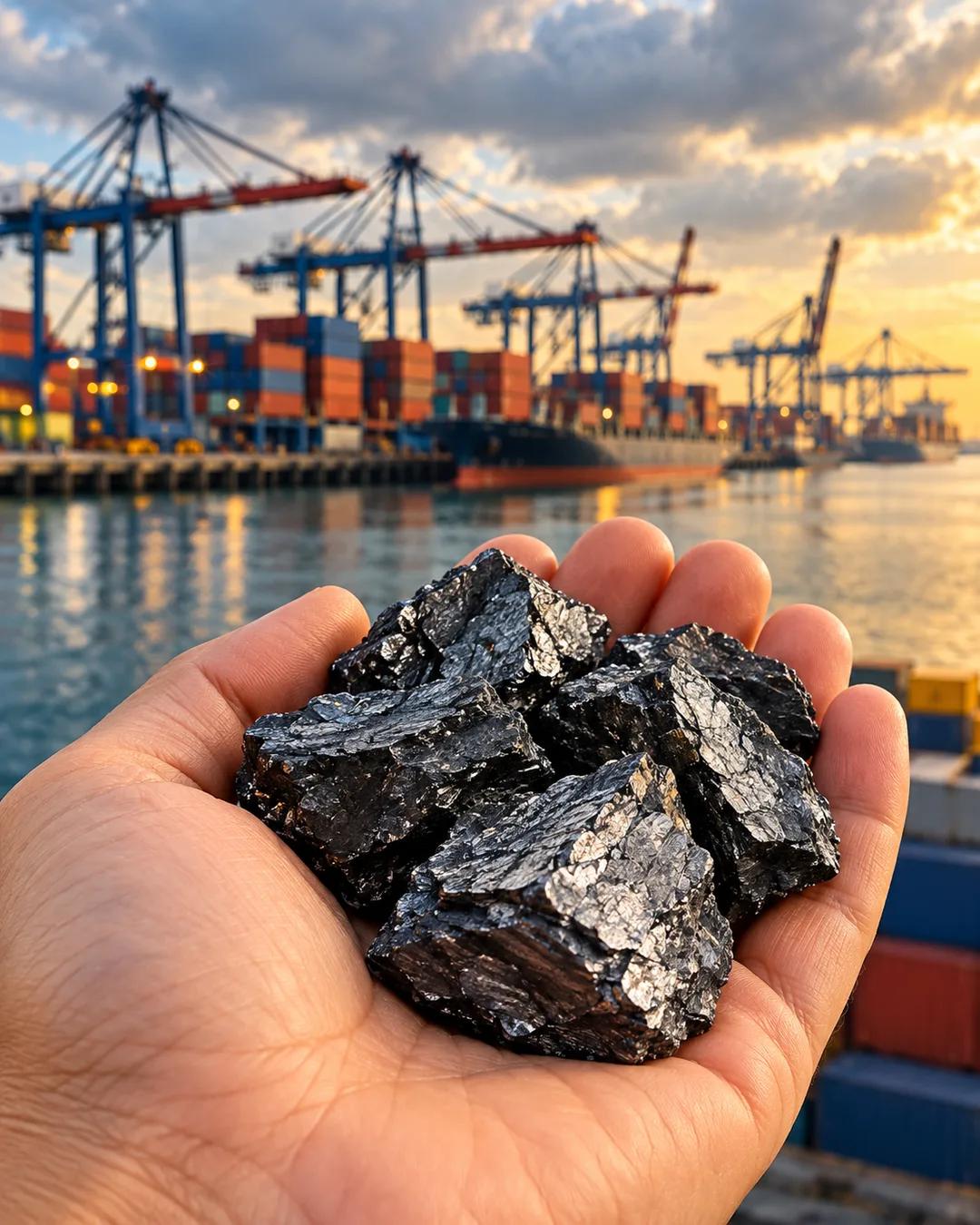
China controls 80% of graphite

China's export controls
It rolled out a series of escalating export controls on materials critical to chips, EVs, and defense systems. The Council on Foreign Relations called it a dangerous inflection point for the US economy.
Where leverage sits
The next conflict may be fought over who controls rare earths and who controls chips, rather than over energy itself. China holds the leverage in rare earths, while the US and Taiwan hold the advantage in chips.
Solar and energy
China also added more solar capacity in the last year than the US has added in the previous 10 or 25 years, going long on energy while the US assumes capex from small players will catch up.
Why does battery making depend on graphite?
Nearly every lithium-ion battery uses graphite for its anode, the electrode that stores lithium ions while the battery charges. Graphite conducts electricity well, holds ions between its layers, and is stable through many charge cycles. An electric vehicle battery contains many kilograms of it.
How did China come to dominate rare earths?
Beginning in the 1980s and 1990s, Chinese producers sold rare earths at low prices that squeezed out competitors elsewhere. The Mountain Pass mine in California, once the world's leading source, curtailed its processing in the early 2000s. Mining and refining capacity gradually concentrated in China.
Why is refining rare earths so hard?
Rare earth elements occur mixed together in ore, and their chemical properties are nearly identical. Separating the 17 elements takes hundreds of repeated chemical steps using acids and solvents. The process leaves behind large volumes of waste, which is one reason many countries stopped doing it.
More from The Prof G Pod with Scott Galloway