Korva is a scroll of the internet’s best ideas.
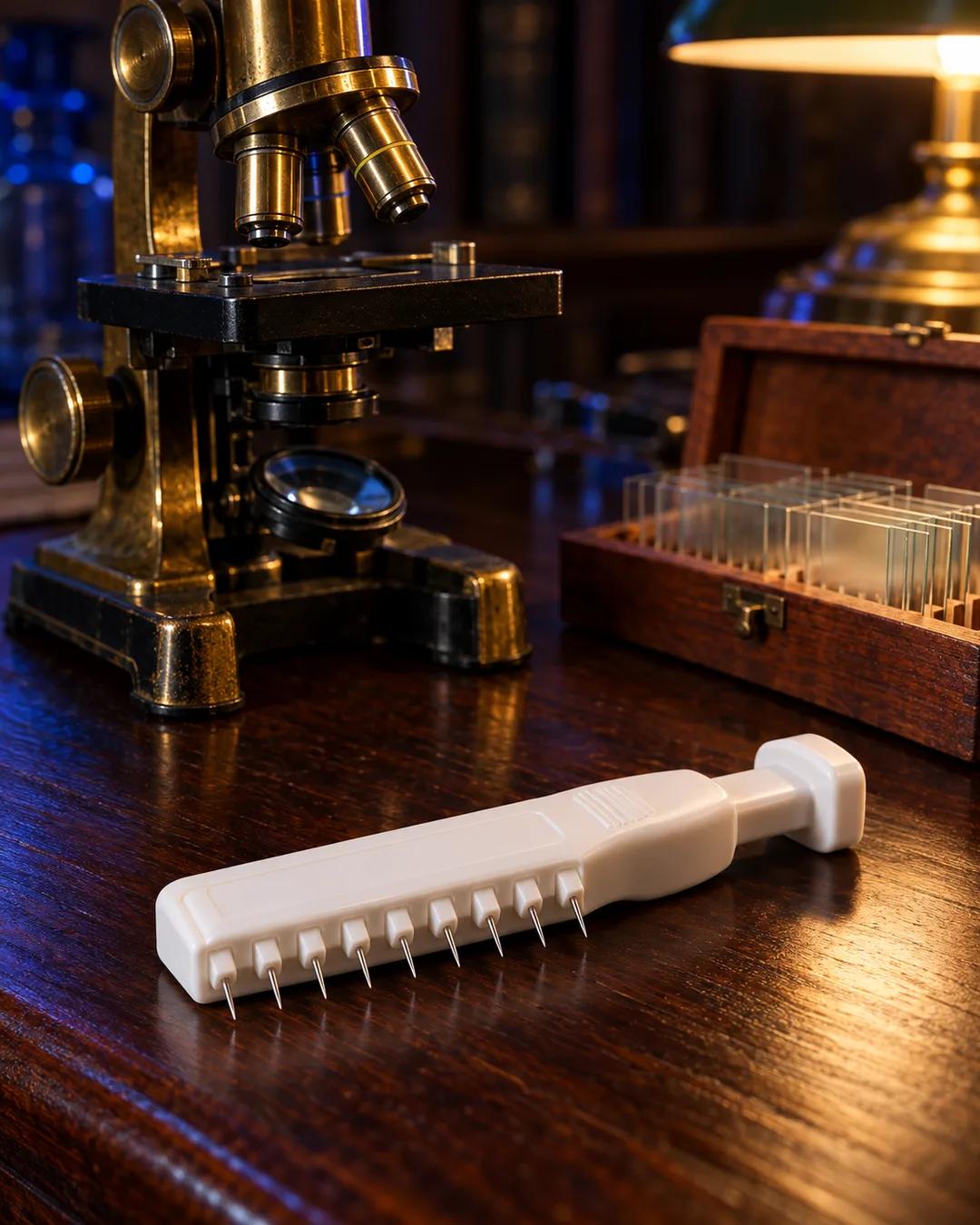
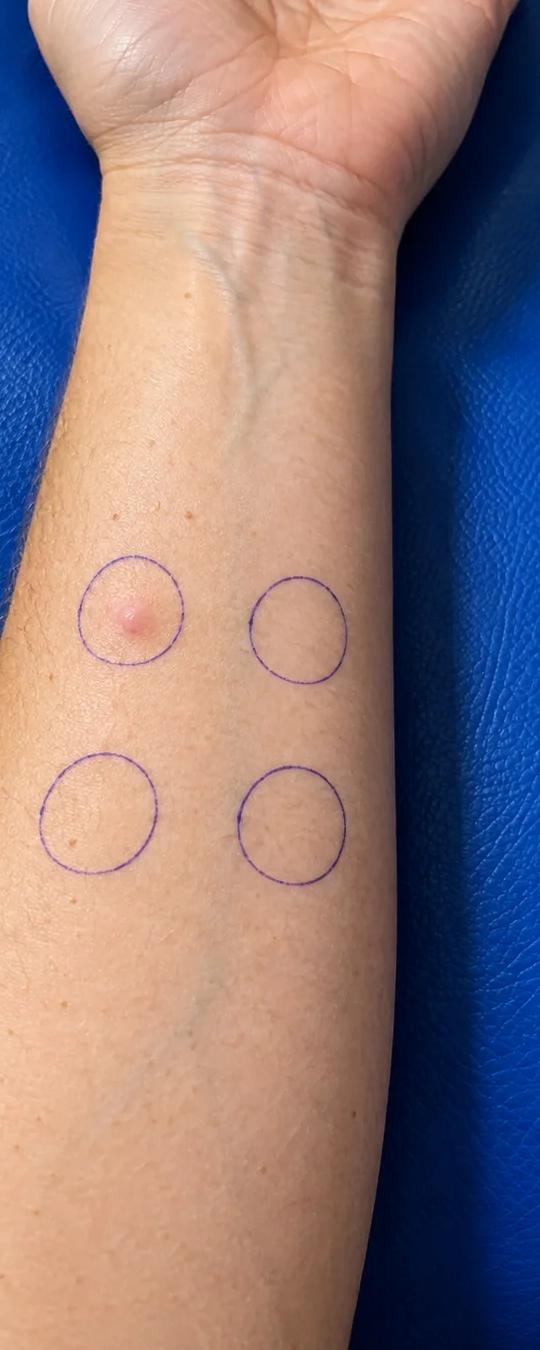
Allergy skin tests date to 1800s

Blackley could be exhumed and revived, and he would have no problem giving a skin test today. The tests are blunt: 50 to 60% of blood tests and skin prick tests for food allergy yield a false positive.
False negatives are the better situation. If a person does not respond to the test, it is around 95% certain they will not respond in real life, which is why the tests are still used. They work almost like a differential diagnosis, ruling some things out.
Poor diagnostics are one reason no one can say how many people actually have an allergy. Roughly 40% of humans are estimated to have some kind of allergy, and that is expected to reach 50% by the next decade. Food allergist Hugh Sampson, who has worked in the field for over 40 years, once fought to get people to recognize that their issue was food allergy. Now he fights to get them to recognize that it is not.
Why do allergy tests give so many false positives?
Skin prick and blood tests measure IgE sensitization, meaning the body has made antibodies to a substance. Many people carry IgE to foods they eat with no trouble. The test cannot tell sensitization from a clinical reaction. That gap accounts for the high false positive rate.
What did Charles Blackley discover about hay fever?
Charles Blackley, a Manchester physician, showed in 1873 that pollen causes hay fever. He had suffered from it himself, and he exposed his skin to pollen and tested his reactions. He also used slides coated in glycerine to count pollen in the air across the seasons. His work is considered a foundation of allergy science.
How is a double-blind food challenge done?
In a double-blind placebo-controlled food challenge, a patient eats either the suspected food or a disguised placebo, and neither the patient nor the staff knows which. The doses start small and increase while symptoms are watched. It is considered the most reliable test for food allergy. Because it carries risk and takes time, it is mostly used in specialist centers.
More from Freakonomics Radio Network