Korva is a scroll of the internet’s best ideas.
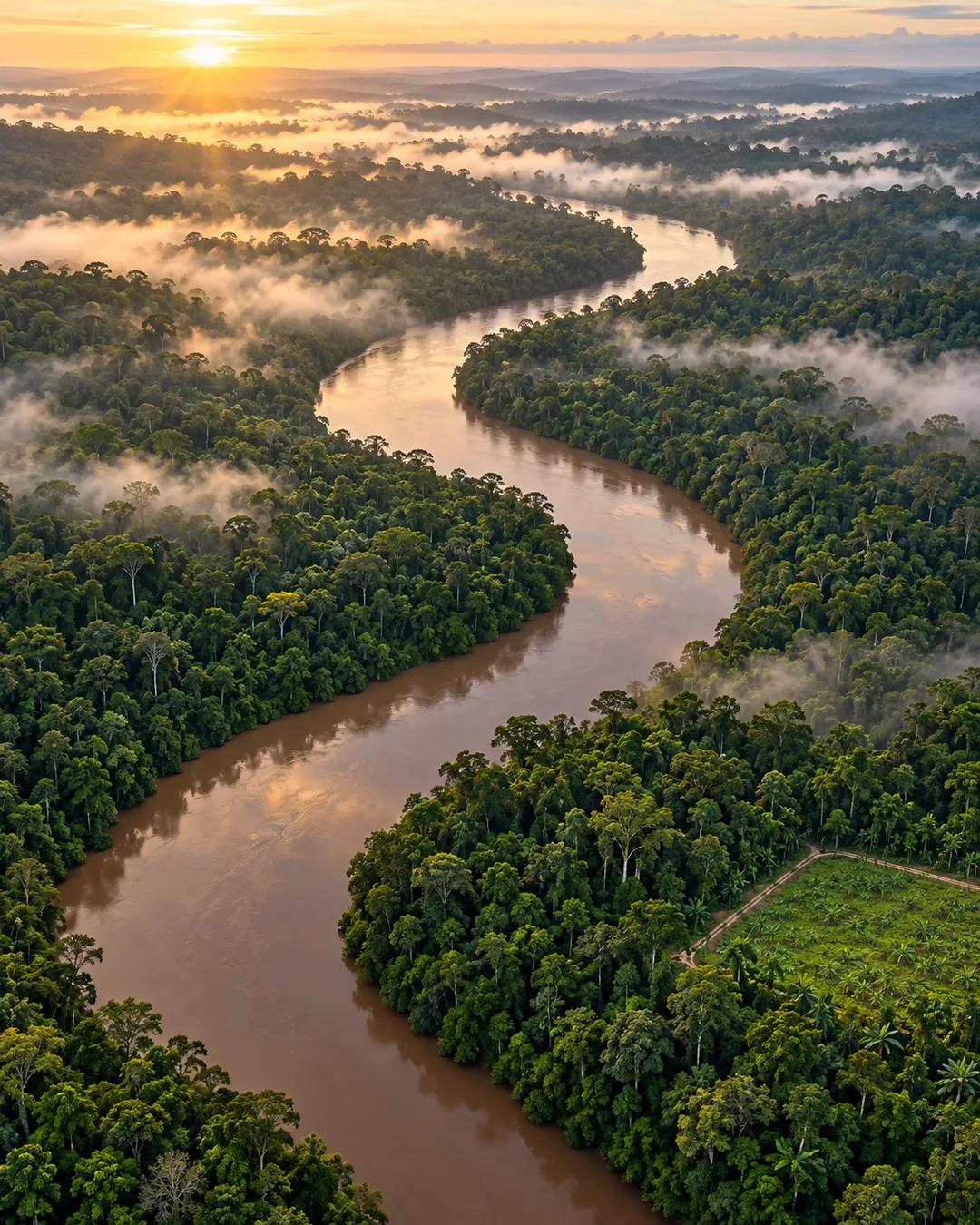
Amazon deforestation hits record low

The Cerrado, the country's savanna region, saw a 23% drop. The decline came under President Lula da Silva and his environment minister, Marina Silva, who toughened enforcement of environmental rules, added policing and security against those breaking them, and increased satellite monitoring of the Amazon.
His predecessor, the right-wing Jair Bolsonaro, presided over a dramatic increase in deforestation. He argued that more of the land should be used for farming and mining, and he relaxed many environmental protections. He is not on the ballot in the current presidential election, but his son Flavio Bolsonaro is, and he has a very different vision for the future of the rainforest than Lula.
The Bolsonaro movement still has a huge groundswell of support in some Amazonian states where deforestation is highest, particularly among the agricultural community. Some farmers there feel that too much land in Brazil is protected. Some on the left have criticized Lula for not going far enough.
How do satellites measure deforestation?
Brazil's space agency, INPE, tracks forest loss from satellite images through two programs. PRODES, running since 1988, produces the official annual deforestation figure. DETER sends near-real-time alerts to enforcement agents. Both compare images over time to find patches where forest has turned to bare ground.
How does the Amazon make its own rain?
Trees pull water from the soil and release it as vapor through their leaves, a process called transpiration. Brazilian scientists use the term flying rivers for the streams of vapor that travel across the continent. Studies of the basin have found that a large share of its rainfall comes from this recycled moisture rather than directly from the Atlantic. Clearing forest therefore removes a source of the rain that falls downwind.
Why is the Cerrado less protected than the Amazon?
Brazil's Forest Code requires landowners to keep part of their property as native vegetation, called a legal reserve. In Amazon forest areas that share is 80 percent, while on private land in Cerrado areas outside the Legal Amazon it is 20 percent. The Cerrado's flatter terrain is also easier to farm with machines, and large areas have been converted to soybeans and cattle pasture.
More from Global News Podcast