Korva is a scroll of the internet’s best ideas.
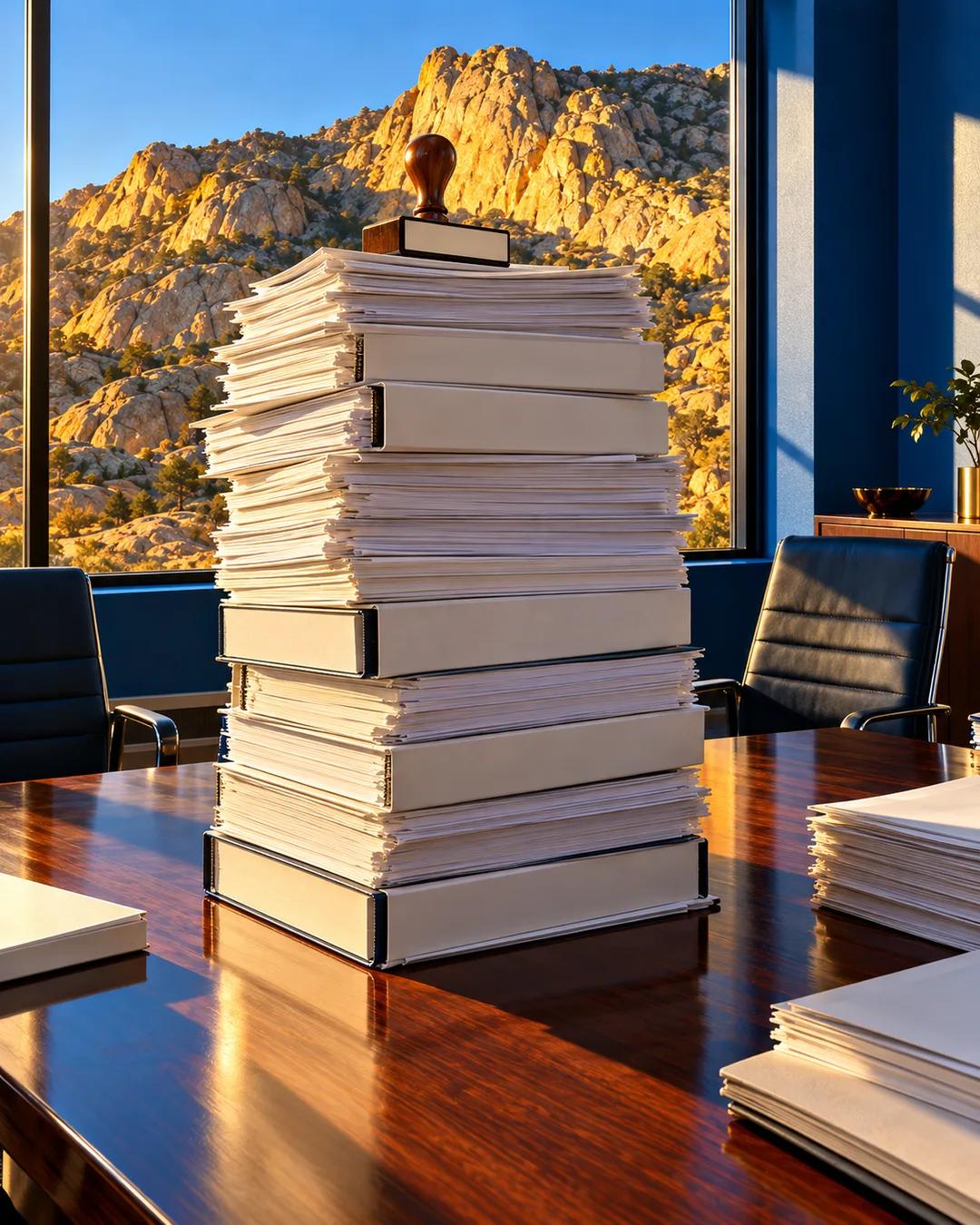
An 8,500-page report, then denied
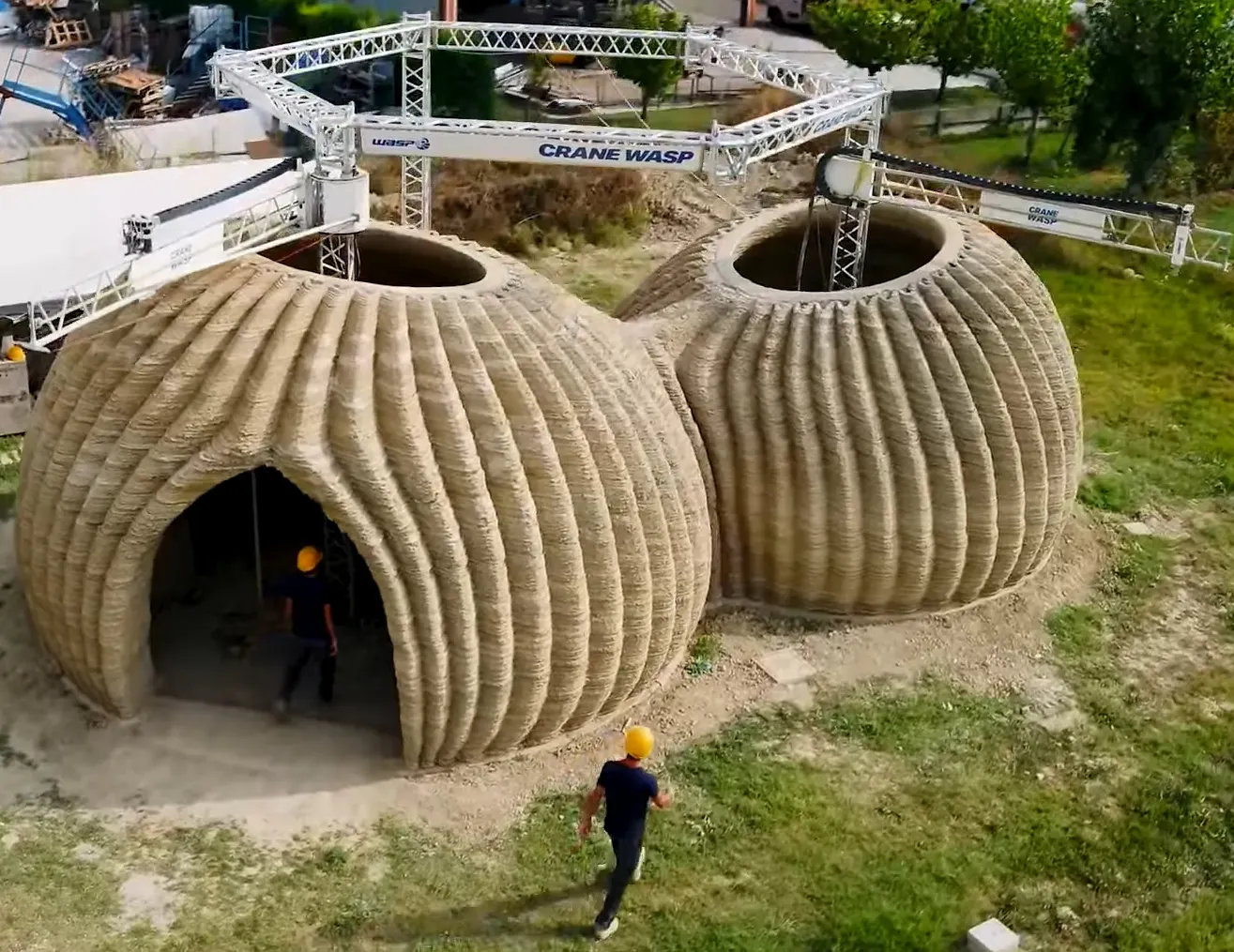
Quarry and cement permits
In parts of Washington, permitting a new quarry can take 7 to 10 years and upwards of $1 million. The prospect is so risky that producers are often unwilling to even try.
Cement has the same problem. St. Lawrence Cement spent 7 years trying to build a new cement plant in New York before giving up in 2005, and no new greenfield cement plant has been built in the US in the 15 years since.
Margins in concrete ingredients
Concrete typically costs about $6 per cubic foot, yet the companies that make its ingredients earn high gross margins. Vulcan Materials, which makes aggregate, had 27% in 2025, Martin Marietta had 31%, and Cemex had 32%. Margins that high leave room for a modest drop in the price of concrete if the industry were more competitive.
Why do quarry permits take so long?
A quarry needs local land-use approval and, in many states, a formal environmental review. Neighbors raise concerns about truck traffic, dust, noise, and groundwater, and each one can be appealed in court. Even an approved permit can be challenged afterward, which stretches the timeline further. California's Environmental Quality Act, passed in 1970, requires a full environmental impact report for projects likely to have significant effects.
Why can't cement just be shipped from far away?
Cement is heavy and cheap per ton, so trucking it far eats up its value quickly. Plants therefore tend to serve markets within a few hundred miles. Shipping by water costs much less per ton-mile than trucking, which is why many plants sit on rivers and coastlines. Cement plants are also built beside limestone deposits, the main raw material.
Why are aggregate margins so high?
Aggregate is bulky and cheap per ton, so it cannot travel far before shipping costs swamp its price. A quarry near a city therefore faces few rivals within hauling distance. New competitors have to win the same long permitting process described above. The US Geological Survey counts crushed stone among the highest-volume mined materials produced in the country.
More from Brian Potter