Korva is a scroll of the internet’s best ideas.
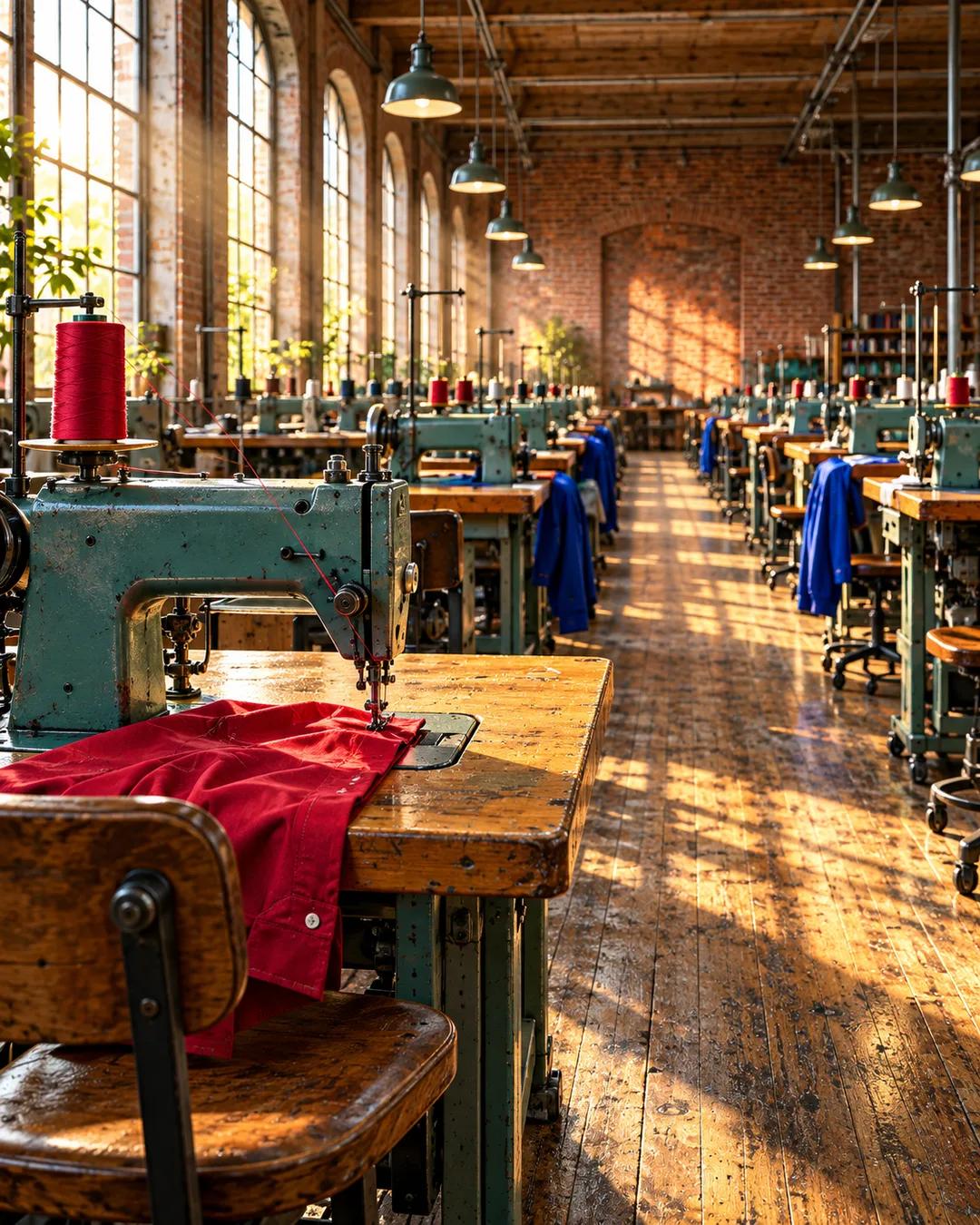
Garment factories chase cheap labor
The garment industry's route
Garment manufacturing has resisted automation and stays labor-intensive, so factories keep relocating to sources of low-cost labor, which are often places with poor working conditions. The industry went first from Manhattan to Brooklyn and New Jersey, then to New England, then to the South as the interstate highway system developed, and finally overseas.
Nike, ships, and toys
Nike followed the same path. It began importing footwear from Japan in the 1960s and started manufacturing its own shoes there in the 1970s. As labor costs in Japan rose, it shifted production to Taiwan and Korea, then China, then Vietnam and Indonesia.
Shipbuilding moved from the UK to Japan, then South Korea, then China. Toy manufacturing moved from the US to Japan, then Hong Kong, then China.
Why has garment work resisted automation?
Fabric is floppy, stretchy, and shifts under pressure, so machines struggle to grip it, line it up, and feed it through a sewing machine the way a person does. Robots handle rigid parts easily, but cloth changes shape every time it is touched. Sewing machine operators still guide the fabric under the needle by hand for most garments.
Why did highways pull factories south?
The Federal-Aid Highway Act of 1956 authorized the interstate system, which let trucks carry goods from Southern mills to Northern markets quickly and cheaply. Southern states also offered lower wages and, with the Taft-Hartley Act of 1947, could pass laws that weakened union organizing. Textile mills had been spreading across the Carolinas and Georgia since the late 1800s. The interstate system was originally planned at about 41,000 miles.
Why did production hop from country to country in order?
Japan's economy grew faster than any other major economy through the 1960s, and wages rose with it. Producers of light goods then moved to nearby neighbors with lower wages, and those neighbors later grew wealthier and were left behind in turn. Taiwan and South Korea each began their own export booms by making light goods like textiles and shoes. The Japanese economist Kaname Akamatsu described this pattern as the flying geese model in the 1930s.
More from Brian Potter