Korva is a scroll of the internet’s best ideas.
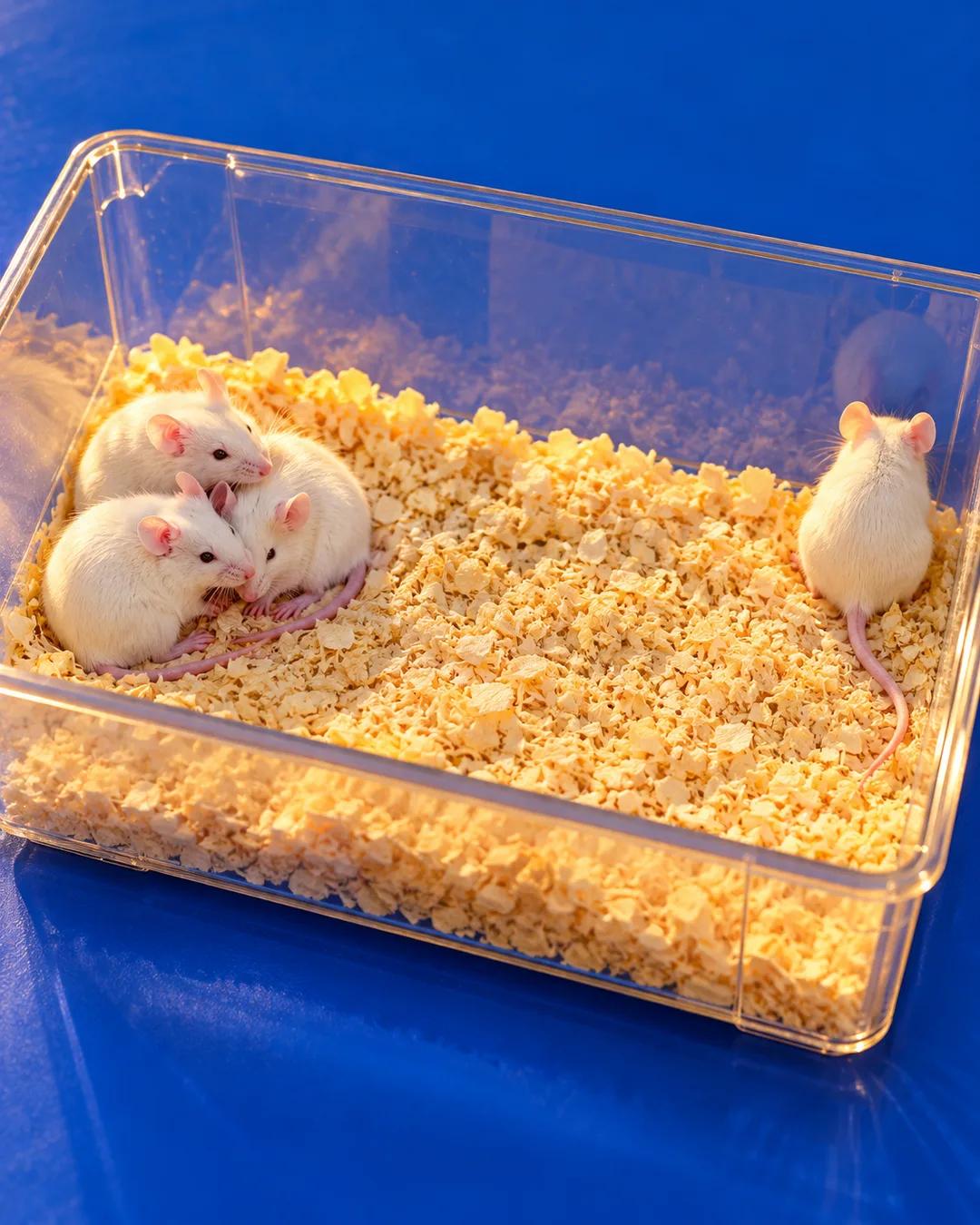
An immune molecule makes mice withdraw

Gamma interferon is one of the things the immune system produces while fighting an infection. In the experiment, researchers put it into a mouse's bloodstream and then simply watched the mouse. The animals showed the signs of social isolation, with no illness behind it, only the cue that belongs to the systemic immune response.
The same lab also showed that the brain has receptors for these immune molecules. The simple reading is that the brain can sense infection and that sensing changes behavior, in mature animals as well as young ones.
It fits the urge that comes with the flu to crawl into a hole and stay away from other people.
How does an immune signal reach the brain?
Immune molecules called cytokines have several routes to the brain. They can activate sensory fibers of the vagus nerve that report to the brainstem. They can cross at spots where the blood-brain barrier is leaky, called circumventricular organs. They can also prompt cells lining brain blood vessels to release chemical messengers such as prostaglandins into the brain.
Why would evolution favor sickness behavior?
Illness comes with a predictable set of behaviors: fever, tiredness, loss of appetite, and withdrawal from others. In 1988, Benjamin Hart argued that these are organized strategies rather than breakdowns. Resting saves energy for the immune response, and staying away from others reduces the chance of spreading infection. The pattern appears across many mammals and even in insects.
How does gamma interferon help fight infection?
Gamma interferon is made mainly by T cells and natural killer cells. It activates macrophages so they destroy microbes they have swallowed. It also raises the display of MHC molecules, which makes infected cells easier for T cells to spot. People born with defects in gamma interferon signaling are unusually vulnerable to mycobacterial infections.
More from Andrew Huberman