Korva is a scroll of the internet’s best ideas.
Anarchists smashed Gaudí's plaster molds

Civil war and the churches
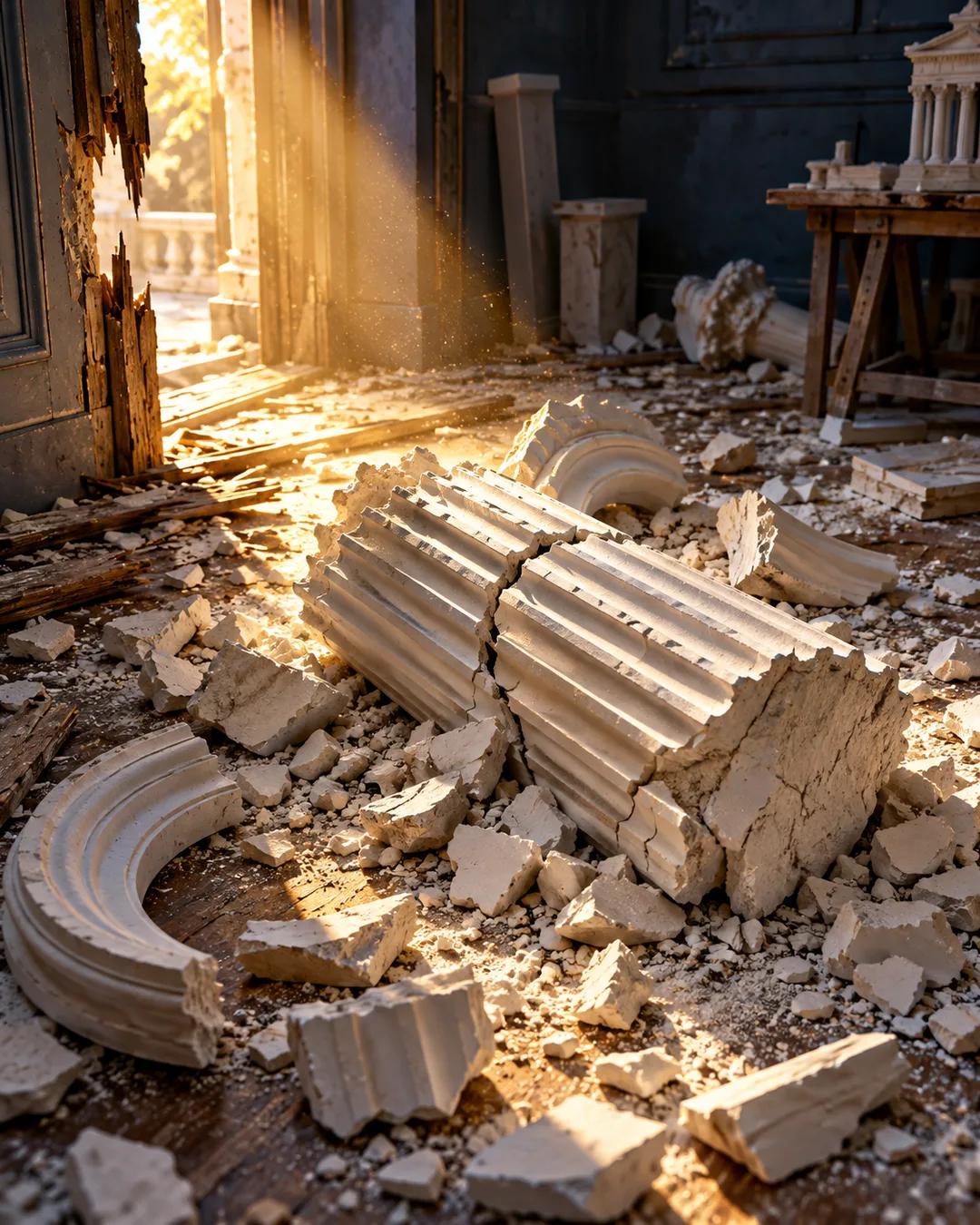
Spain was in civil war. A secular republic was fighting Franco's Catholic fascist movement, which used the church as a tool of control. In Barcelona, the capital of Catalan identity, churches had become symbols of everything the Republic opposed, and the unfinished basilica loomed over the city. The anarchists smashed in the door of Gaudí's former home and workroom inside it.
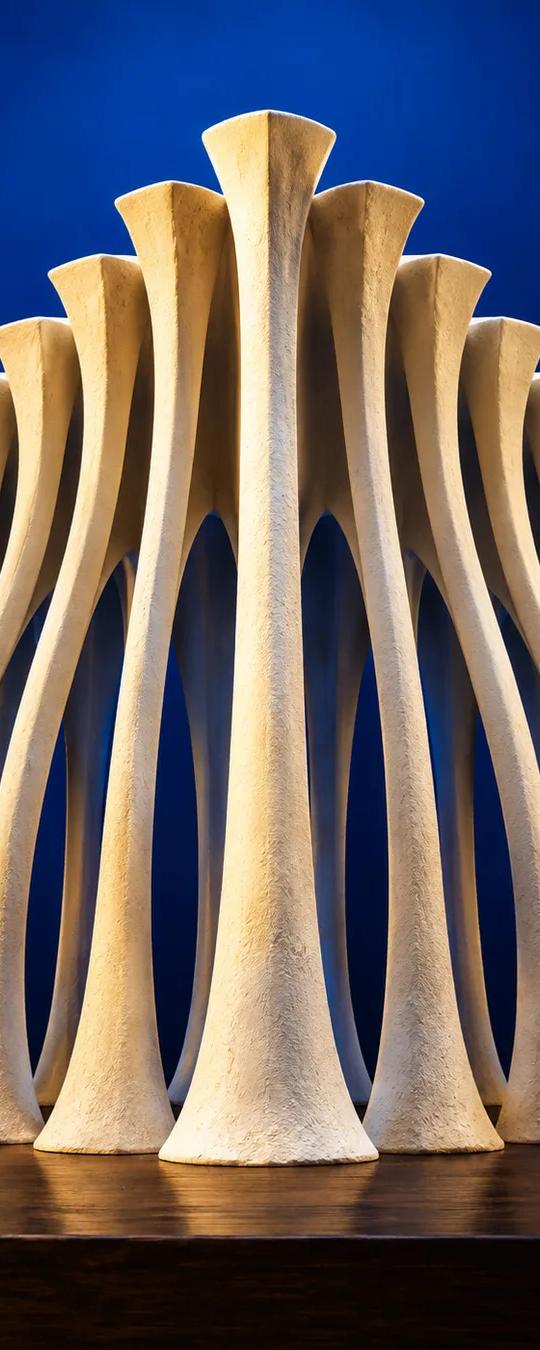
They wrecked the models he had built over a decade of solitude. What survived was fragments of plaster molds, sketches of facades, and templates marking column cross sections for stonemasons.
Rebuilding from fragments
Construction could have stopped there. Instead, the next two decades went to cataloging the broken pieces, sketches, and clues, and that work grew into a nearly century-long effort to reverse engineer Gaudí's genius. The final pieces went into place in June 2026, after 144 years.
Why were Barcelona's churches targets before 1936?
In July 1909, the Tragic Week broke out in Barcelona after the government called up reservists to fight in Morocco. Mobs burned dozens of churches and convents. Many working-class Catalans saw the Church as aligned with wealthy landowners and the state. When a military coup in July 1936 set off the civil war, attacks on church property broke out again across Republican territory.
Why was anarchism so strong in Catalonia?
Catalonia industrialized earlier than most of Spain, packing textile mills and workers into Barcelona and nearby towns. Anarchist ideas spread through those workers' circles. By 1936, the anarcho-syndicalist union Confederación Nacional del Trabajo ranked among the largest labor unions in Spain. The union, known as the CNT, was founded in Barcelona in 1910.
More from Real Engineering