Korva is a scroll of the internet’s best ideas.
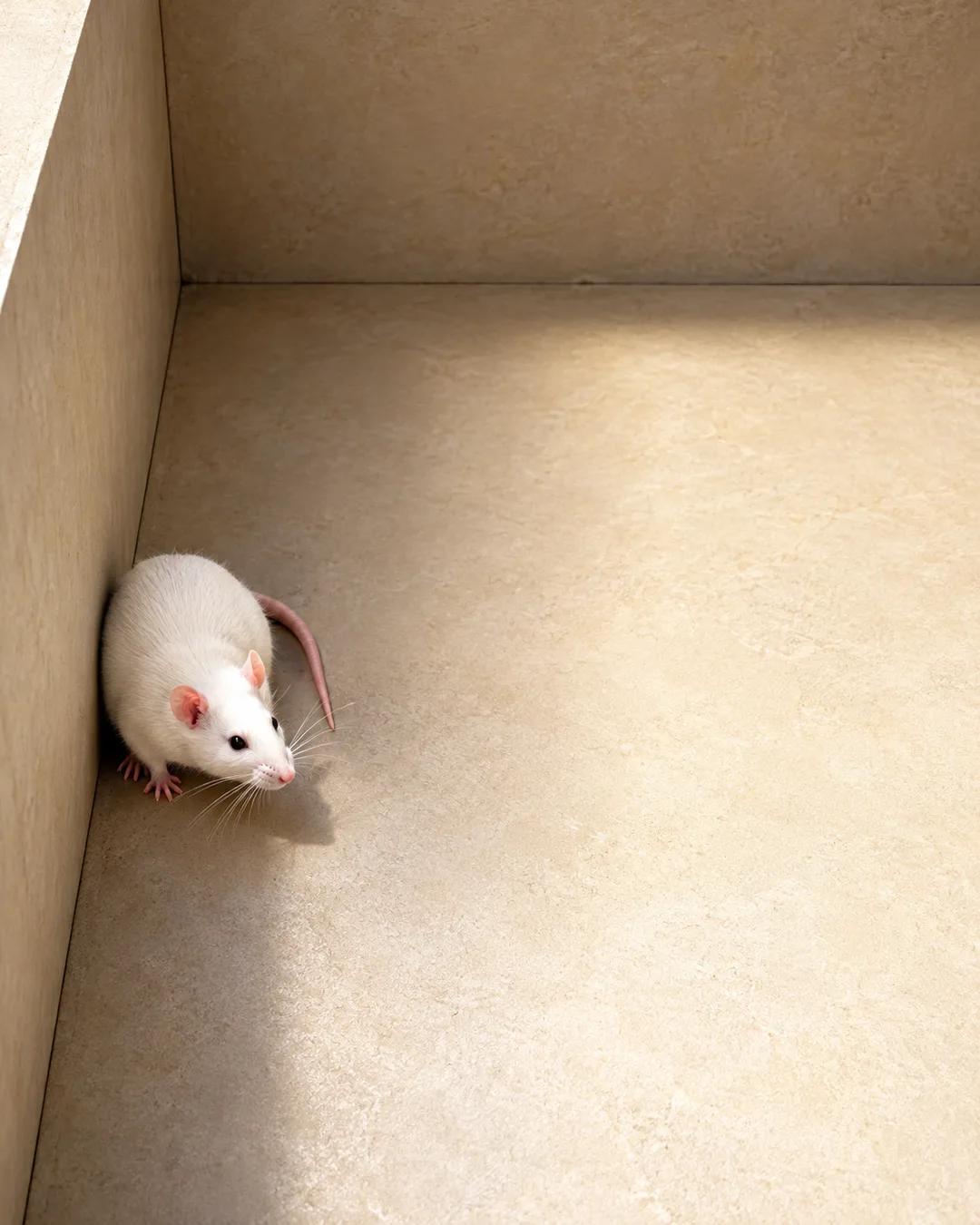
Anxious rats had faulty mitochondria
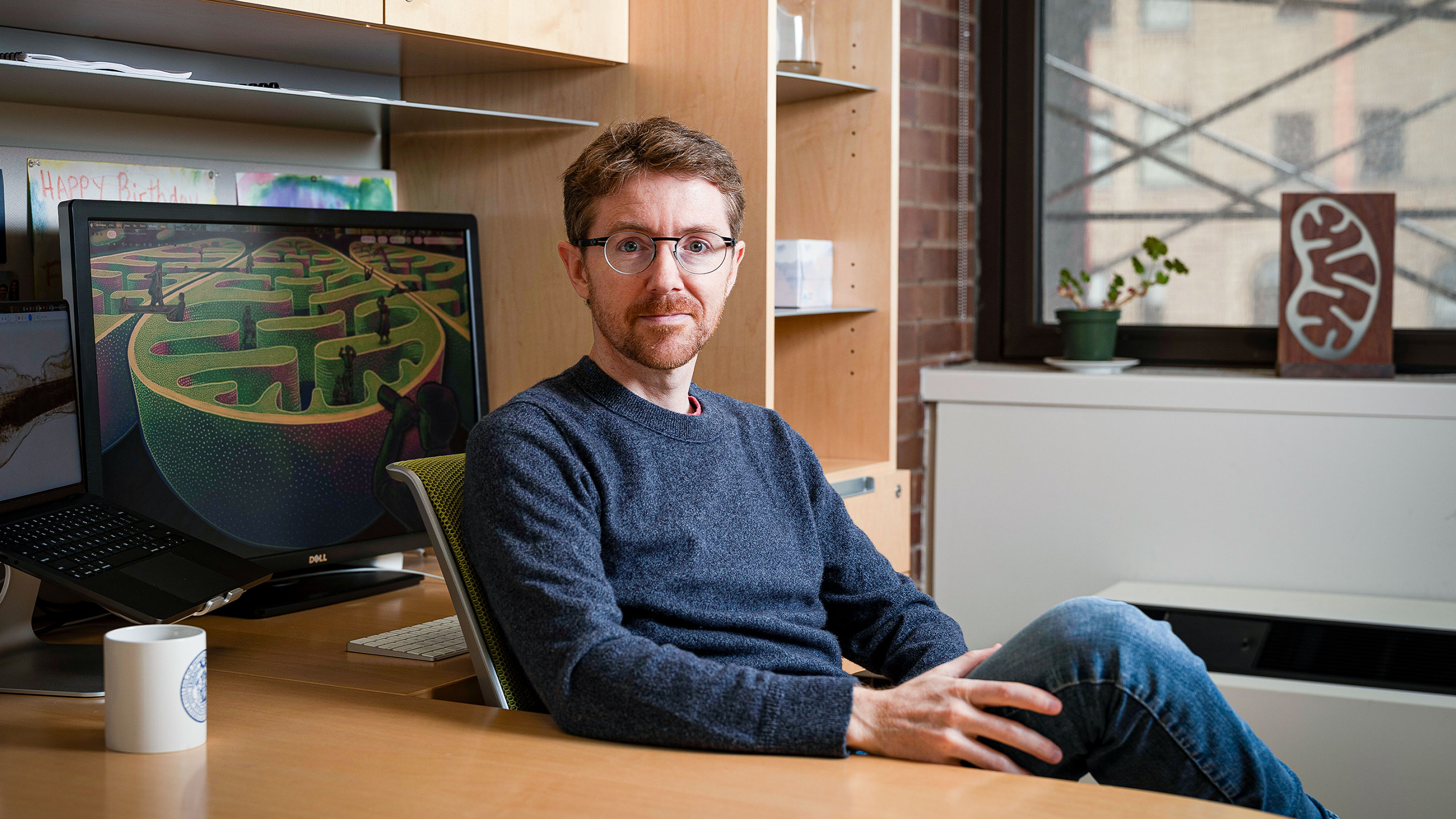
The rats came from the lab of Carmen Sandi, a neuroscientist at the Swiss Federal Institute of Technology Lausanne, and the work was among the first to show that mitochondria influence mental state and that such states can be adjusted with therapeutic intervention.
When the team experimentally boosted mitochondrial output in the rats, the neurons recovered, and the animals showed fewer signs of anxiety.
In a later study, the same group showed that a commercially available supplement produced the same positive results. The supplement restored everything.
How did Sandi's lab link anxiety to mitochondria?
Earlier work from Carmen Sandi's lab, published in the journal PNAS in 2015, compared rats that were naturally more anxious with rats that were less so. The anxious animals had lower mitochondrial function in a reward-related brain region called the nucleus accumbens. The same animals also tended to rank lower in social contests with other rats. The paper helped open the question of whether energy supply inside neurons shapes behavior.
Why do brain cells depend so heavily on mitochondria?
The brain makes up about 2 percent of body weight yet uses roughly 20 percent of the body's resting energy. Neurons spend most of that energy on signaling at synapses and on restoring the electrical charge after each impulse. They rely mainly on mitochondria to produce it, because they store almost no fuel of their own. A neuron whose mitochondria falter has little in reserve to fall back on.
How do scientists measure anxiety in rats?
A common test is the elevated plus maze, a plus-shaped platform raised off the floor with two enclosed arms and two open arms. Rats are drawn to explore but avoid open, exposed spaces. The time a rat spends in the open arms serves as an index of anxiety-like behavior. The maze was validated in 1985 by Pellow and colleagues, who showed that anti-anxiety drugs increase open-arm exploration.
More from Rachel Nuwer