Korva is a scroll of the internet’s best ideas.
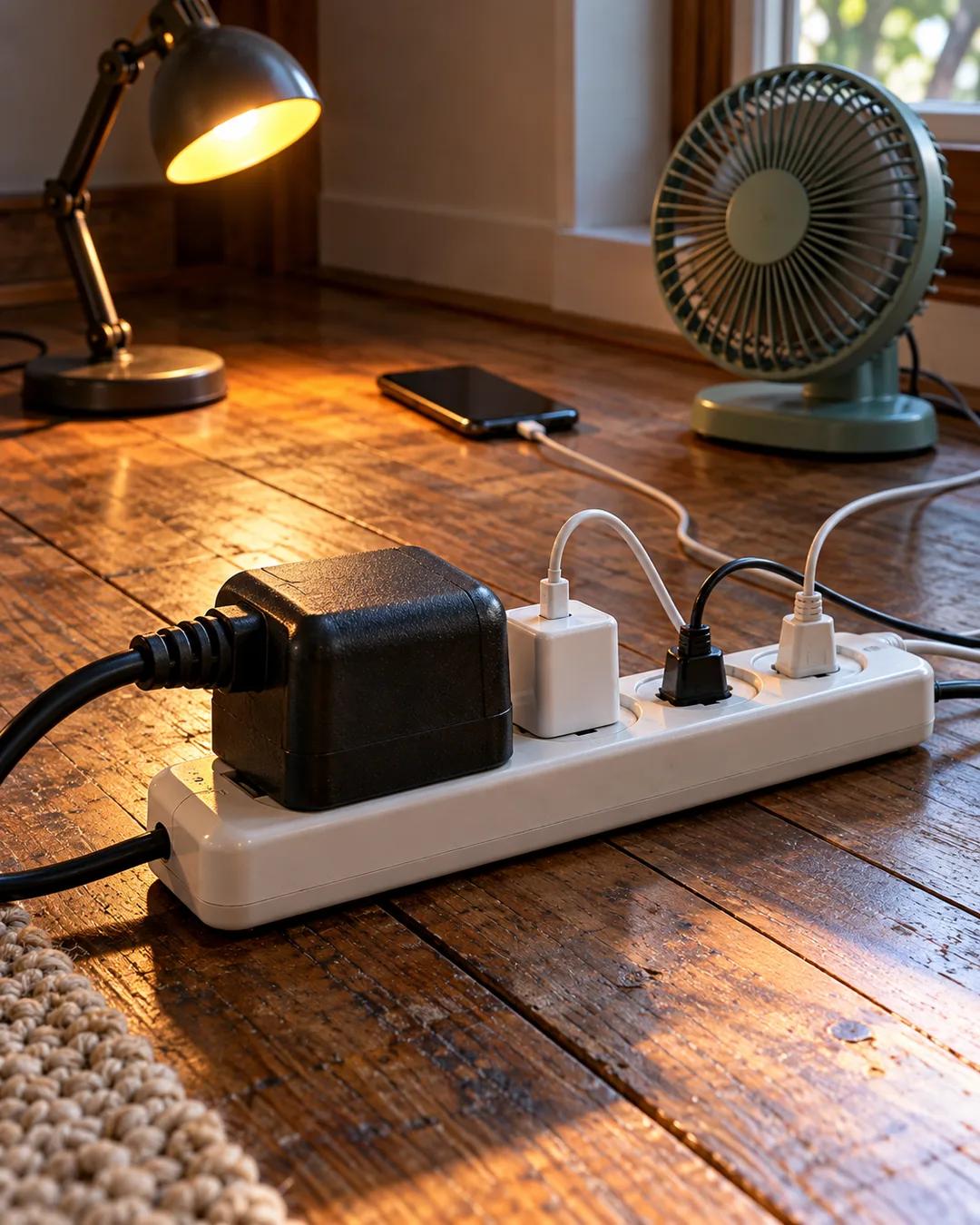
Everything costs energy
Trade-offs
Competing demands from illness, injury, or chronic stress can show up as poor health and also as unpleasant experiences such as anxiety, brain fog, and exhaustion. The pairing runs the other way too: good health, good feeling, and good energy are frequent partners, and a good experience can leave a person feeling there is more energy.
The podium
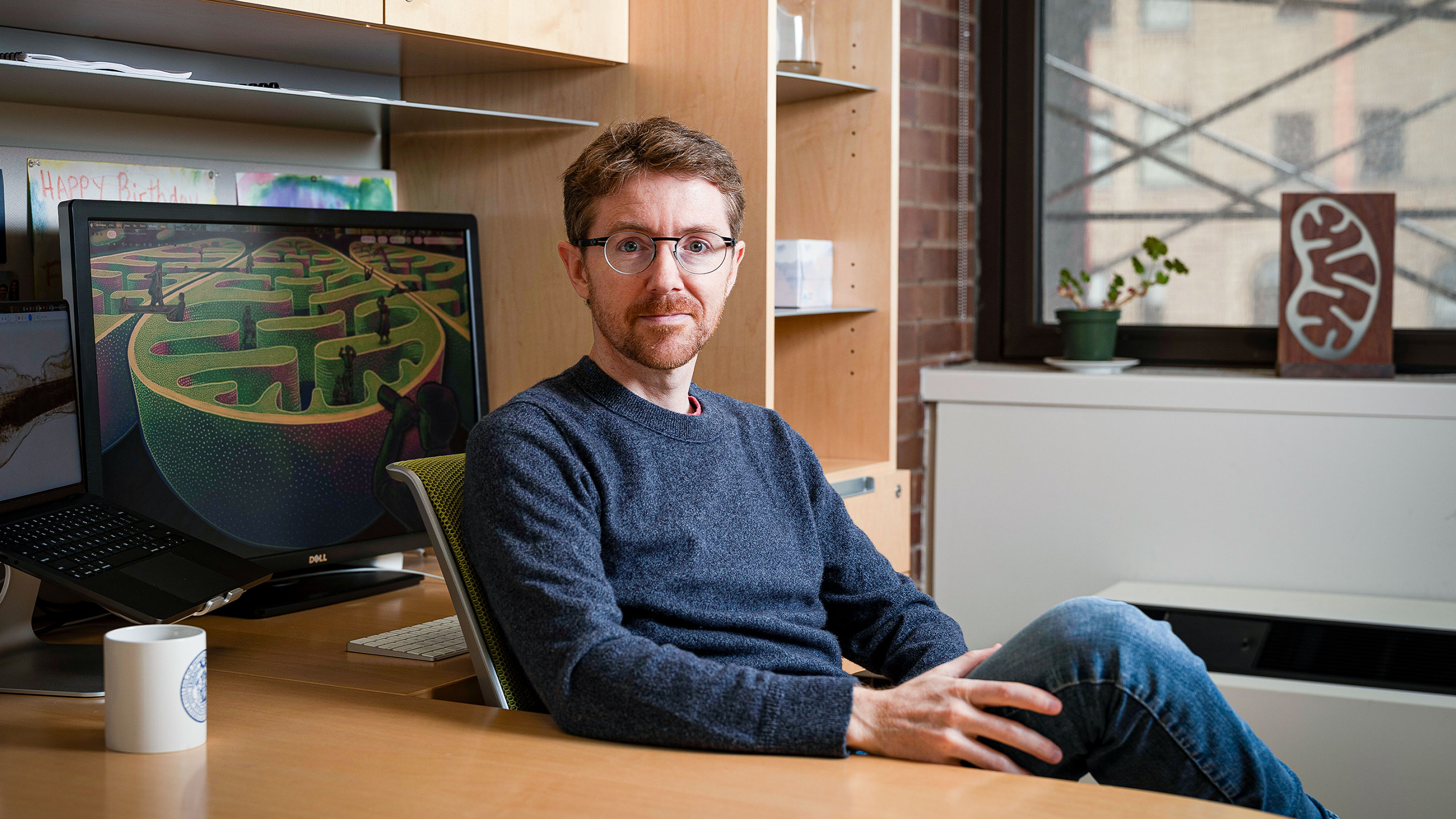
Even purely psychological experiences draw on the budget. At a December 2025 symposium, Picard stood at a podium in a sweater embroidered with a cartoon mitochondrion, facing about 100 scientists, students, entrepreneurs, investors, and patients. The threat to his ego brought a racing heart, sweaty armpits, and hair follicles on end, and all of it cost energy.
Energy and experience
In his energetic view of life, the flow of electrons from food to oxygen in metabolism, as processed by mitochondria, is the most basic level of the experience of being alive. If the energy stops flowing, there is no more consciousness, no more emotion, and no more life.
Why does illness bring fatigue and brain fog?
Immune cells release signaling proteins called cytokines, including interleukin-1 and tumor necrosis factor, when they fight an infection. These signals reach the brain and produce sluggishness, lost appetite, and a pull toward rest. The pattern is known as sickness behavior, and the biologist Benjamin Hart described it as an adaptive strategy in 1988. Fever adds to the cost, because raising body temperature raises the body's metabolic rate.
Why does a threat make the heart race?
A perceived threat activates the sympathetic nervous system within seconds. The adrenal glands release adrenaline, which binds to receptors on the heart's pacemaker cells and makes them fire faster. The same surge activates the sweat glands, and it contracts tiny muscles attached to each hair follicle, which pulls the hair upright. Those muscles are called arrector pili.
Why is the body's energy budget limited?
Energy comes from food, and the body stores only limited amounts of it as glycogen and fat. Cells turn over ATP at a staggering pace: an adult recycles about their own body weight in ATP each day, according to a widely cited estimate in biochemistry textbooks. Because the supply of fuel and the capacity to convert it are finite, a process that takes more leaves less for others. This is why biologists describe growth, immunity, and reproduction as trade-offs.
More from Rachel Nuwer