Korva is a scroll of the internet’s best ideas.

Who bounces back from illness
The nurse's son
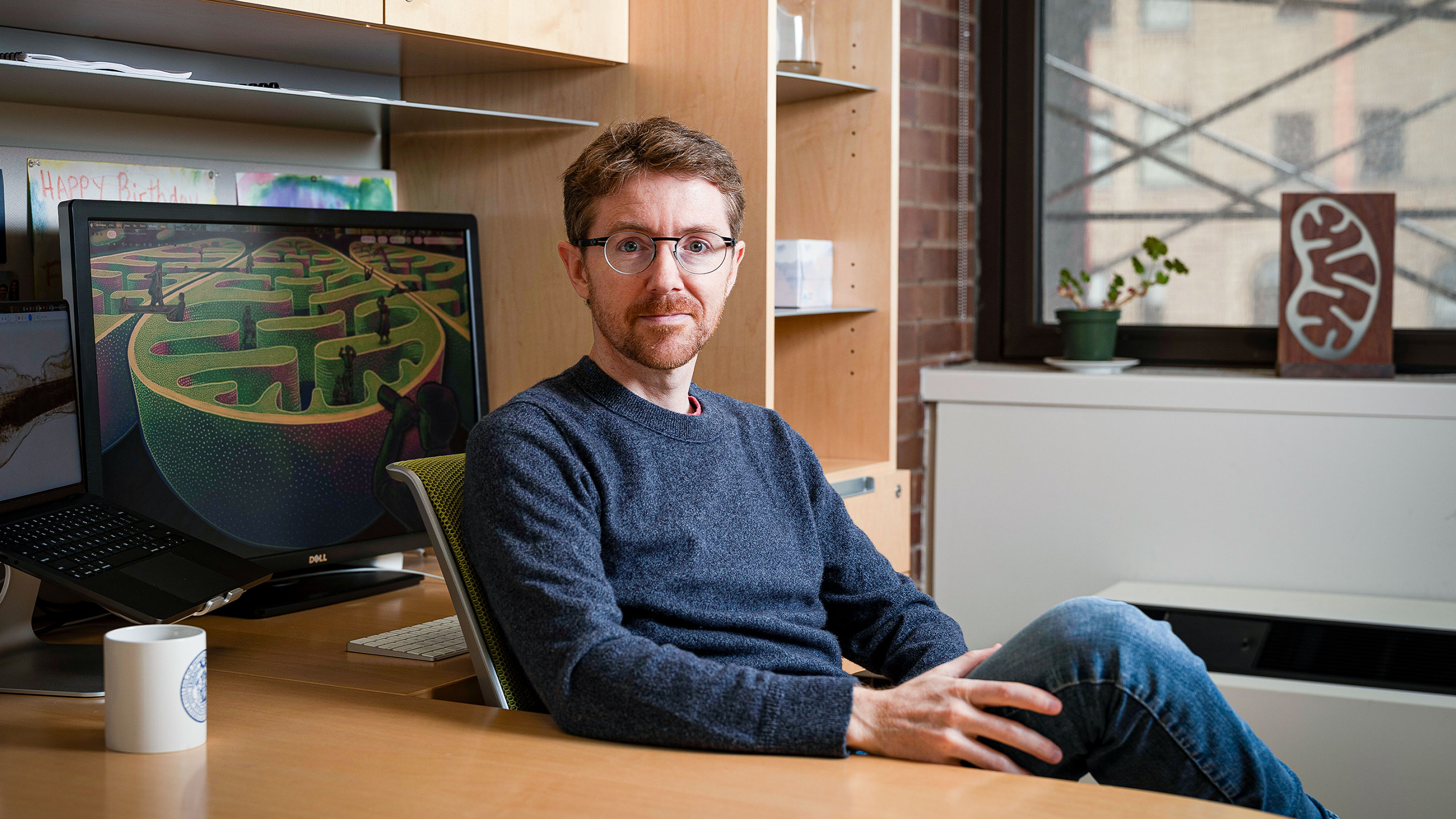
Martin Picard inherited his mitochondria from his mother, as every animal does. She was a nurse who ran her own home care service in a French-speaking town outside Montreal, and after picking him up from hockey practice she sometimes stopped at a patient or two on the way home. Some were recovering from surgery. Others were quadriplegic or in palliative care.
The question
He found the difference deeply perplexing, and it followed him to McGill University, where he studied physiology and neuroimmunology. A question took shape: how do molecular, cellular, and bodily processes translate into feelings, behaviors, and the ability to thrive? His coursework did not answer it, so he quietly began studying holistic health on the side, where he learned the value of a whole-person approach and the individual nature of disease.
The field
In his formal studies he kept being drawn to mitochondria, and he went on to a postdoctoral position with Douglas Wallace at the University of Pennsylvania, one of the founders of the field of mitochondrial genetics. His working hypothesis now is that the organelles are a missing dimension of medicine that could explain why a person might flounder or thrive, as he first saw on those patient visits.
Why do mitochondria come only from mothers?
An egg cell holds on the order of 100,000 copies of mitochondrial DNA, while a sperm carries only a few mitochondria in its tail. After fertilization, the egg tags the sperm's mitochondria with a marker protein called ubiquitin and destroys them. The embryo is left with its mother's mitochondrial DNA in nearly every case. Because of this, mitochondrial genes trace a single line from mother to child across generations.
How did mitochondrial DNA become linked to disease?
In 1988, Douglas Wallace's group reported in the journal Science that a single DNA change in a mitochondrial gene causes Leber's hereditary optic neuropathy, a form of inherited blindness. It was the first point mutation in mitochondrial DNA tied to a human disease. A separate team reported large deletions of mitochondrial DNA in muscle disease the same year. Those findings turned mitochondrial genetics into a field of medicine.
More from Rachel Nuwer