Korva is a scroll of the internet’s best ideas.
Apathetic brains work harder to decide
The scanner study
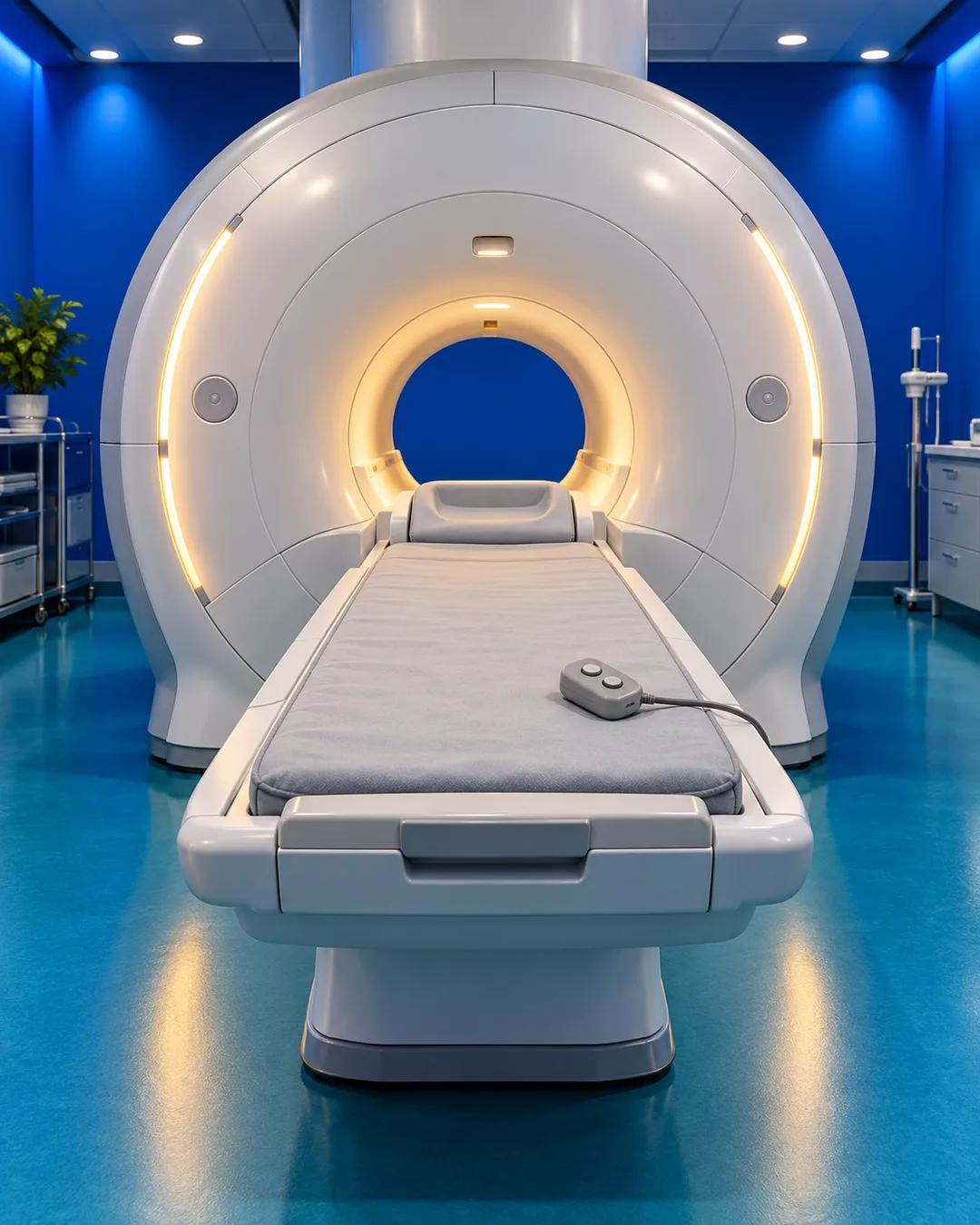
After seeing a patient whose strokes had erased his motivation, Oxford researchers put students into an MRI scanner. The group included highly motivated students and surprisingly apathetic ones, some of them very smart. Each choice was a yes or no: would you do this option, with this much reward, for this much physical effort? The reward and the effort were raised and lowered step by step. As in the patients, the apathetic students worked for high rewards and passed on low ones.
The surprising result
In every student, the ventral striatum and parts of the frontal lobe became active during the decision, the same striatum region that had been damaged in the patient. The students weren't doing anything yet, only thinking about it. The apathetic students showed more activity there than the motivated ones, the reverse of what the researchers expected.
The energy reading
The reading that resolved it is that the apathetic students' brains were consuming more glucose to reach the same decision. Their activation barrier exists physically. Picture facing a task where just deciding whether to start already costs a lot of brain fuel: skipping it begins to look like the easy answer.
Why does deciding use brain energy at all?
The brain makes up about 2 percent of body weight and uses roughly 20 percent of the body's energy at rest. Firing neurons and resetting them afterward costs ATP, the cell's energy currency, which cells make largely from glucose. A region that works harder during a task therefore draws more fuel and more blood flow.
What does an fMRI scanner actually measure?
Functional MRI tracks changes in the oxygen level of blood, called the BOLD signal. Active neurons use oxygen, and the local blood supply overshoots to replace it, so the magnetic properties of the blood in that spot shift. The scanner picks up that shift and treats it as a stand-in for neural activity. Seiji Ogawa and colleagues described the BOLD effect in 1990.
Can more brain activity mean less efficient thinking?
Richard Haier and colleagues ran PET scans in the early 1990s on people learning the video game Tetris. As players got good at it, their brains used less glucose for the same task. Researchers later called this the neural efficiency idea, where a better-tuned brain needs less activity to do the same job. Greater activation can therefore point to a costlier route to the same result.
More from Huberman Lab