Korva is a scroll of the internet’s best ideas.
Apple asked what PCs were for

The Apple ad
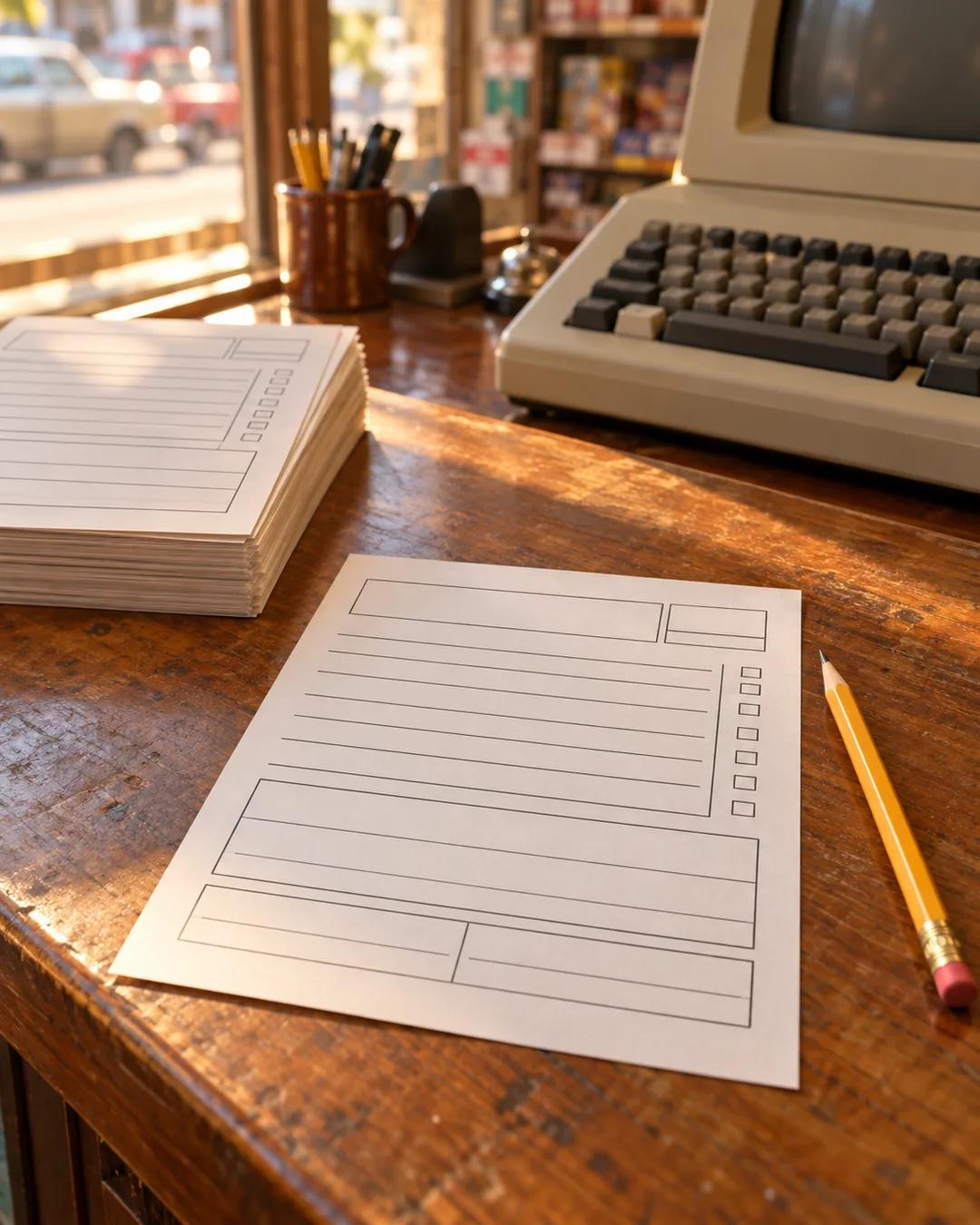
The ad invited readers to write an article of a thousand words or less about the most original use they had found for their Apple. The prize was a one-week, all-expense-paid trip for two to Hawaii, and entry blanks were waiting at the nearest Apple dealer.
Nobody asked for PCs
Nobody was asking for a personal computer. IBM, HP, and DEC had no interest in a product their customers weren't requesting, so companies had to push PCs on buyers. Flashy startups like Apple and Sinclair used hype to get noticed, and Atari, Commodore, and Tandy/RadioShack used their consumer electronics retail connections to put machines in front of customers.
Slow growth, then adoption
Growth stayed slow until practical applications appeared, like the spreadsheet in 1979. As more people saw how others used the machines, uncertainty fell and adoption fed itself. It took almost thirty years for personal computers to reach half of American households, about the same as electricity.
The New York Times mentioned PCs only four times in 1976, the year Apple Computer was founded, and did not take them seriously until IBM introduced its own in August 1981.
How did the spreadsheet change personal computers?
VisiCalc, written by Dan Bricklin and Bob Frankston, appeared in 1979 and ran first on the Apple II. It let a person change one number and watch every dependent figure recalculate. Many small businesses bought an Apple II mainly to run it, and the program is often called the first killer application.
Why did IBM build its PC in 1981?
IBM assembled a small team in Boca Raton, Florida, and told it to move fast, outside the company's usual development process. The team used off-the-shelf parts, including an Intel 8088 processor and an operating system from Microsoft. The IBM Personal Computer was announced in August 1981, about a year after the project was approved.
How did Commodore sell computers through stores?
Commodore had made calculators and sold them in consumer electronics channels before it made computers. Its Commodore 64, launched in 1982, was sold in department stores and toy stores as well as computer shops. Selling beside televisions and toys put the machine in front of shoppers who would never visit a specialist dealer.
More from Jerry Neumann