Korva is a scroll of the internet’s best ideas.
Ask what the market isn't solving

The cost gap
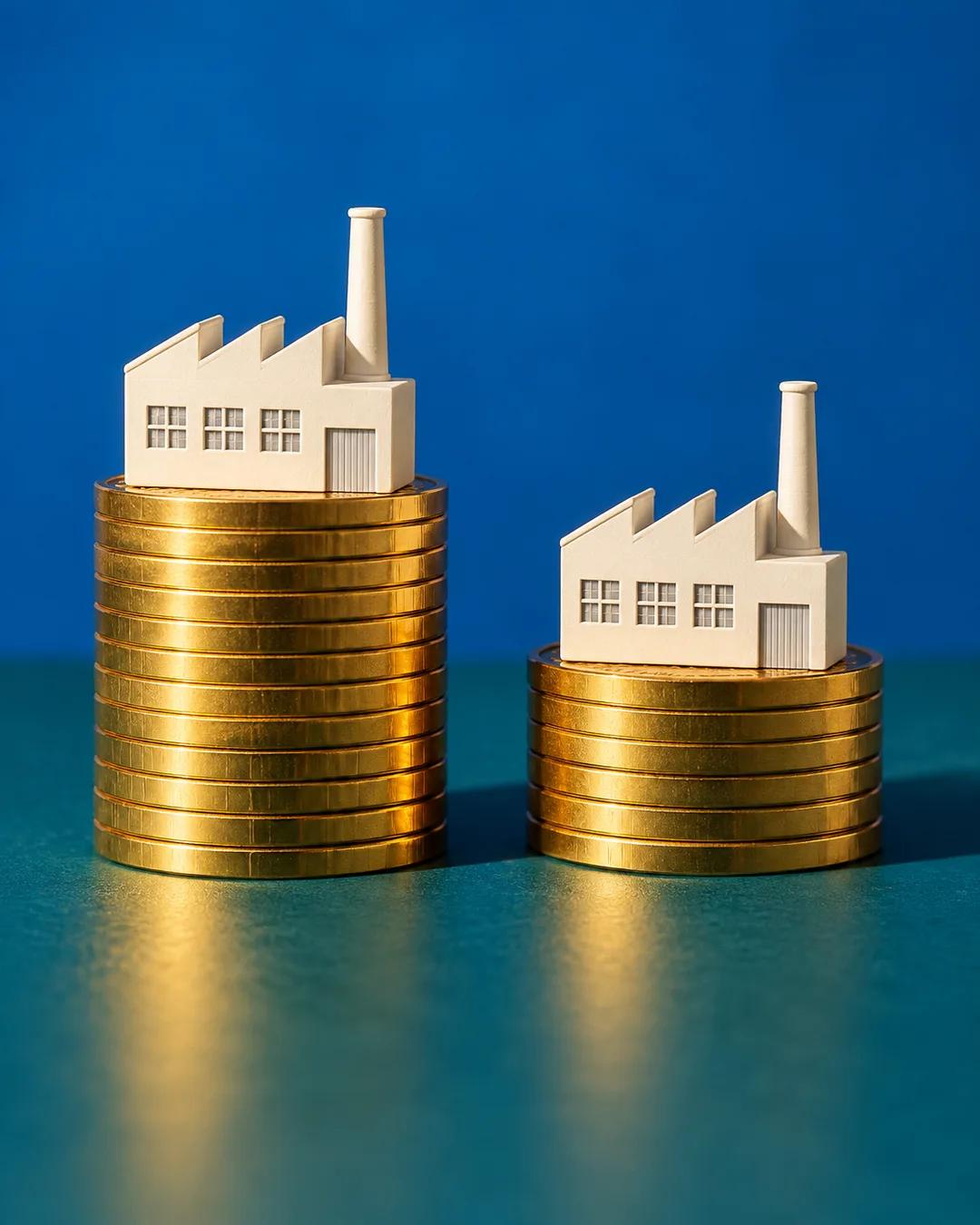
TSMC, Samsung, and Micron are among the largest, most creditworthy companies in the world, and they can issue bonds and access capital. They are also shareholder-driven, so they build where it is most profitable, and building in the United States is more expensive than building elsewhere. Direct incentives, grants, and tax credits offset that difference and make it economic to build here.
How CHIPS tools worked
The CHIPS toolkit worked this way. The tax credit was a 25 percent investment credit, direct pay and basically fully refundable, so it was as good as cash regardless of tax liability. Grants went on top, sized so that the combined subsidy made investing in the United States make sense compared with Taiwan, Korea, Singapore, or Japan. Loans ended up substantially less powerful, since they have to be paid back and these companies did not need financing.
Where credit helps
Other businesses have the opposite problem. Where accessing capital on terms that let a project work commercially is the hard part, credit tools could be very valuable.
Why does building a fab here cost more?
A 2020 study by the Boston Consulting Group and the Semiconductor Industry Association estimated that building and running a fab in the United States costs about 30 percent more over ten years than in Taiwan, South Korea, or Singapore. The study found that foreign government incentives accounted for a large share of the difference. Construction costs, equipment installation, and the density of nearby suppliers also play a part. The same study put the gap with China at 37 to 50 percent.
Why does a refundable credit work like cash?
Most tax credits can only reduce what a company owes to zero, so a firm with no tax bill gets nothing. A refundable credit pays out the leftover amount as a refund. Direct pay goes further and sends the credit as a payment even when no tax is owed. Fabs spend billions of dollars before they earn a profit, and often owe little tax in those early years.
How have government loans backed factories before?
The Department of Energy's loan program made a $465 million loan to Tesla in 2010 to help build its early electric vehicle production. Unlike a grant, it had to be repaid, with interest. Such loans suit companies that cannot raise money on commercial terms. Tesla repaid the loan in full in 2013.
More from The Lawfare Podcast