Korva is a scroll of the internet’s best ideas.
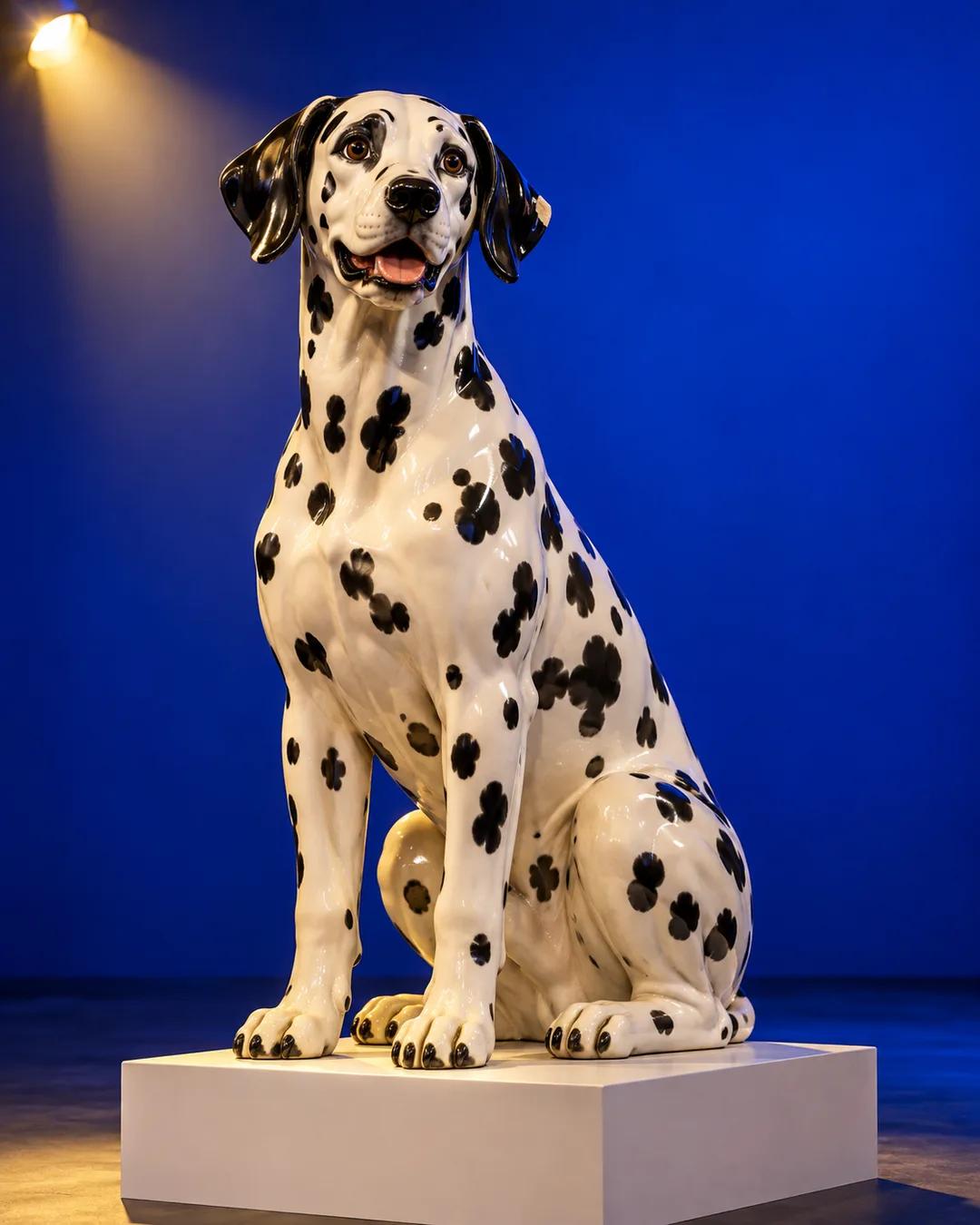
Audiences cheered a $154 ceramic dog
A useless prize
The Dalmatian stood about two and a half to three feet tall and roughly 18 inches front to back, a black-and-white polka dot dog of baked clay that cost $154. It was the thing a contestant bought when nothing else on the set was affordable, a consolation prize with no use at all. You can't put a lamp on it, and it wasn't art either.
How it caught on
The story goes that Sheldon Link, who worked in NBC's prize department, fell in love with the dog and ordered about 100 of them, far more than the show would ever need. Then Wheel of Fortune exploded, and millions of people saw the Dalmatian in the shopping round every night. When a contestant said they would buy it, the studio audience sometimes burst into applause. Nobody clapped for the speedboat or the trip to Acapulco.
The name Sheldon
The dog became the signature prize of the show during the years it turned into a pop culture phenomenon, and it picked up a name along the way: Sheldon, after the man who first put it on stage. Game show historian Adam Nedeff is probably the reason fans know that. During his one year working at Wheel of Fortune, every employee got a small tabletop Dalmatian for Christmas with a tag giving its name, and he ran straight to the internet to tell every game show fan he could find.
Today Sheldon sits in a display case that greets visitors the moment they walk into the Wheel of Fortune studio. He comes out for anniversaries and special events.
Why are Dalmatians so recognizable?
Dalmatian puppies are born solid white, and their spots appear over the first few weeks. The breed was long used as a coach dog, trotting beside horse-drawn carriages and later riding with fire engines. Disney's 1961 animated film One Hundred and One Dalmatians, based on Dodie Smith's 1956 novel, made the breed a household image.
How is a big ceramic figure made?
Large ceramic figures are usually slip cast: liquid clay is poured into a hollow plaster mold. The plaster absorbs water from the clay, leaving a thin solid shell against the mold wall. The extra slip is poured out, and the piece dries, comes out of the mold, and is fired in a kiln. A glaze goes on afterward, and a second firing gives it the glossy surface.
Why were so many prizes supplied by companies?
Companies have long given products to game shows in exchange for an on-air mention. The show gets prizes without paying retail, and the company gets its name in front of a large audience. Federal law requires broadcasters to disclose when something airs in exchange for payment or free goods, which is why prize providers are credited.
More from 99% Invisible