Korva is a scroll of the internet’s best ideas.
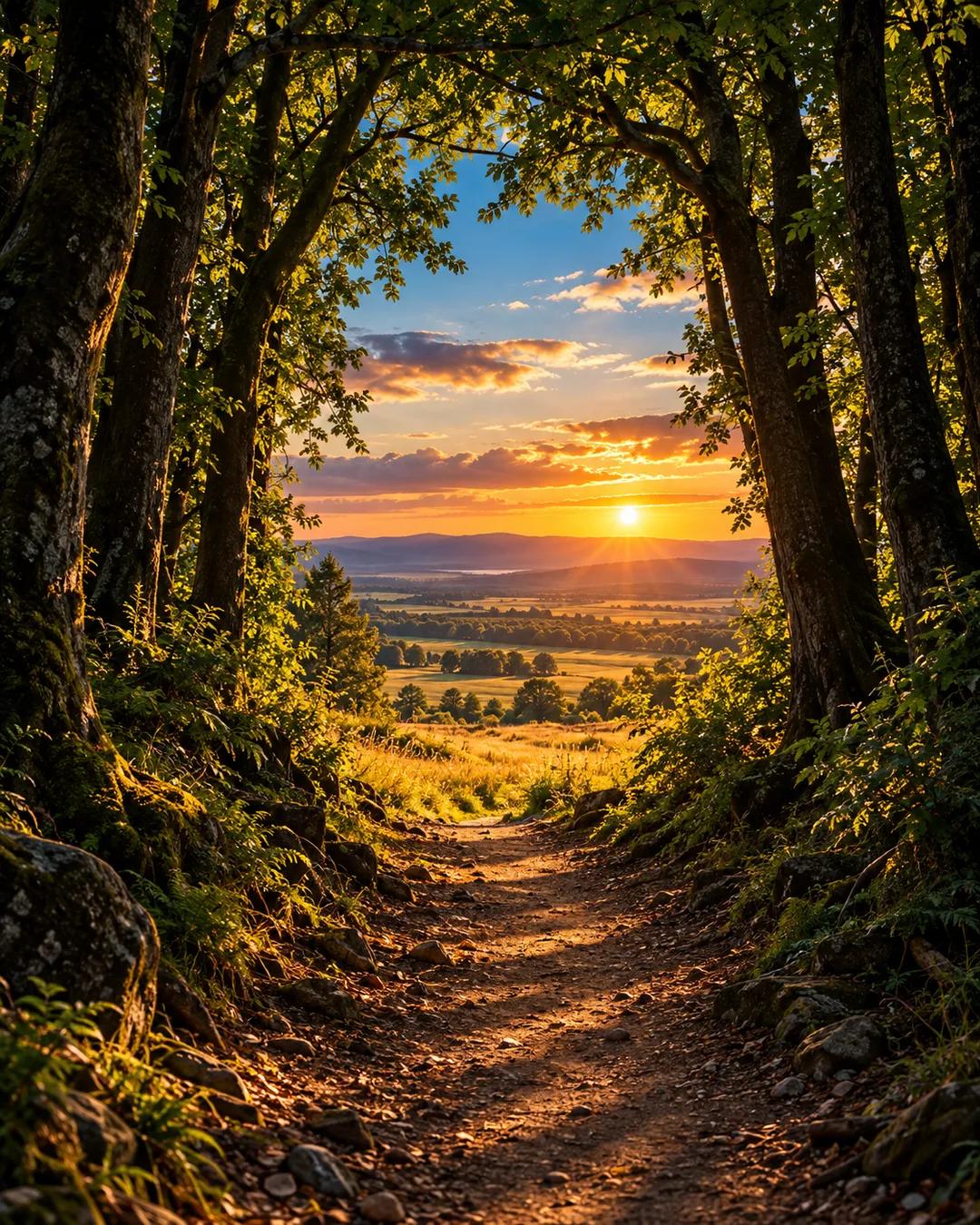
Awe shifts small to vast

Animated films build it on purpose. The film starts narrow, with attention held on small, tense details, and then the frame suddenly opens onto the vastness of something enormous.
The shift carries over to ideas. Someone grinds away at a paper or a project, then realizes it belongs to something much larger, and that realization is the awe that big ideas and epiphanies bring.
A musician with the Philadelphia Symphony practices five hours a day, and the work is small and narrow, down to where one finger goes. On stage she feels the notes go out into the space, feels like part of history, and tears up.
The movement runs in both directions. Coming home from something big to the dog, the kids, the spouse, and the plants has its own pull. A place like Big Sur lands as a wonder because the person arrived from an office, and then goes back to the office again.
Why do wide open views feel so powerful?
Geographer Jay Appleton proposed prospect-refuge theory in 1975, which holds that people favor places offering a wide outlook along with some cover. Researchers Gordon Orians and Judith Heerwagen later found that people across many cultures prefer savanna-like scenes with open views and scattered trees. The preference shows up in children as well as adults. Parks, golf courses, and suburban lawns all echo the same layout.
How does awe change the feeling of time?
In a 2012 study in Psychological Science, Melanie Rudd, Kathleen Vohs, and Jennifer Aaker found that people who felt awe judged that they had more time available than people who did not. The same people were more willing to give time to others and more likely to choose an experience over a material product. The effect appeared after participants watched awe-inspiring videos or recalled awe-filled moments. The authors linked it to the way awe pulls attention into the present moment.
More from Andrew Huberman