Korva is a scroll of the internet’s best ideas.

Back the founders who don't listen
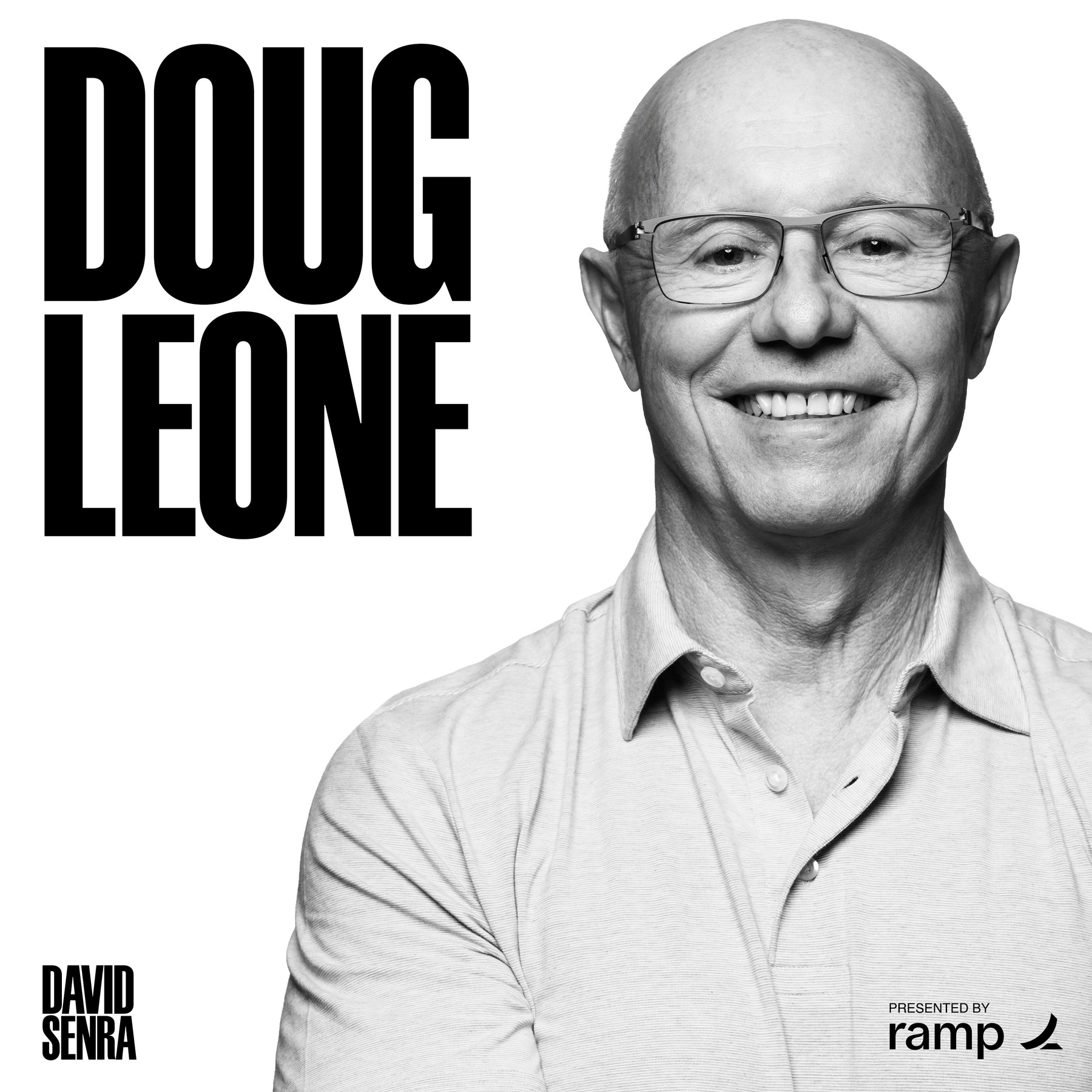
A founder arriving at a venture firm is usually an outlier at something, often with an IQ of 150 or above. Adjectives that many venture investors use as insults, like irreverent and unwilling to listen, are positives to Doug Leone. Nobody wants a founder who changes their mind depending on who they spoke to last.
The founder he wants has spent the last five months going to sleep and waking up three hours later, still thinking about the problem and crystal clear on what to build. No one can talk that founder out of it, and the founder is driven like crazy.
A company needs more than the product, and Sequoia's work starts there. The first ten engineers have to be recruited, and the first salesperson has to be found. No established person will join a startup, so the eye has to be for up-and-comers in sales and marketing, because the already made people play it a little safer.
Why does conviction matter so much in a founder?
Most startup ideas look doubtful at first, and a founder who needs approval from each person they talk to tends to abandon the ones that need time. Venture returns come from the few companies that win big, and those usually begin as bets that most people disagreed with. A founder with settled conviction can keep working through a long stretch with no outside validation.
Why does the first group of hires matter so much?
Stanford sociologists James Baron and Michael Hannan studied several hundred Silicon Valley startups in the Stanford Project on Emerging Companies. They found that the employment model a founder picks at the start, including the culture and the kind of people hired, tended to persist as the company grew. Early hires set the norms that later hires copy, and changing them gets harder with each additional person.
More from David Senra