Korva is a scroll of the internet’s best ideas.
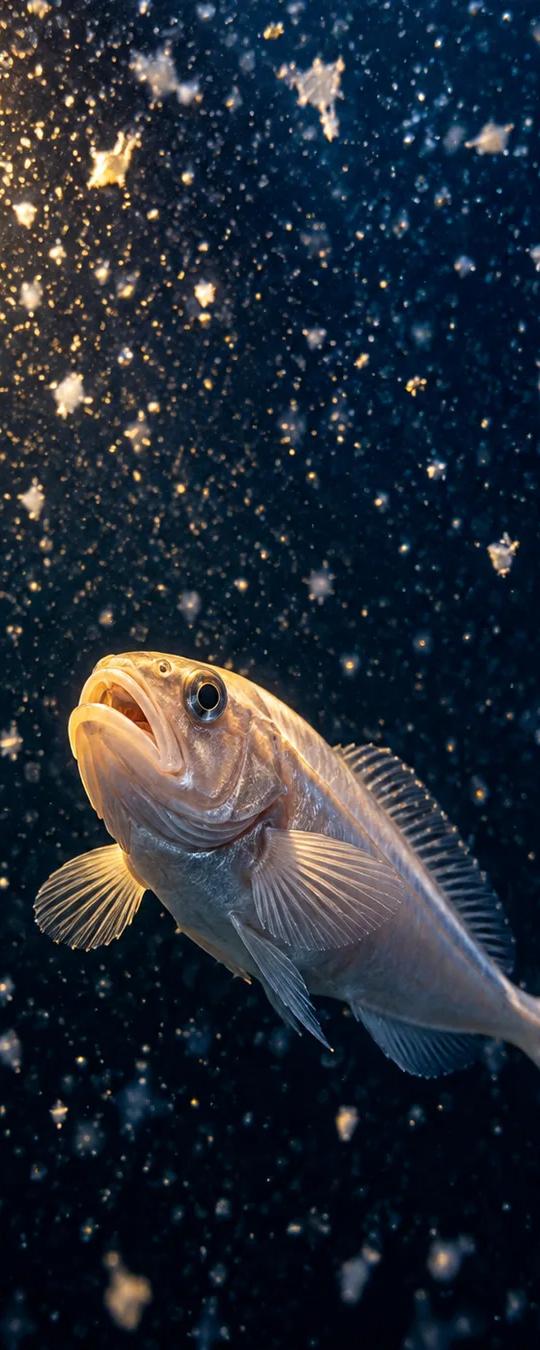
Bacteria glow only with a quorum

Counting the crowd
The process is called quorum sensing. A quorum is the number of people needed to take a vote, and among bacteria and other microorganisms it works the same way: they decide to do something only when there are enough of them.
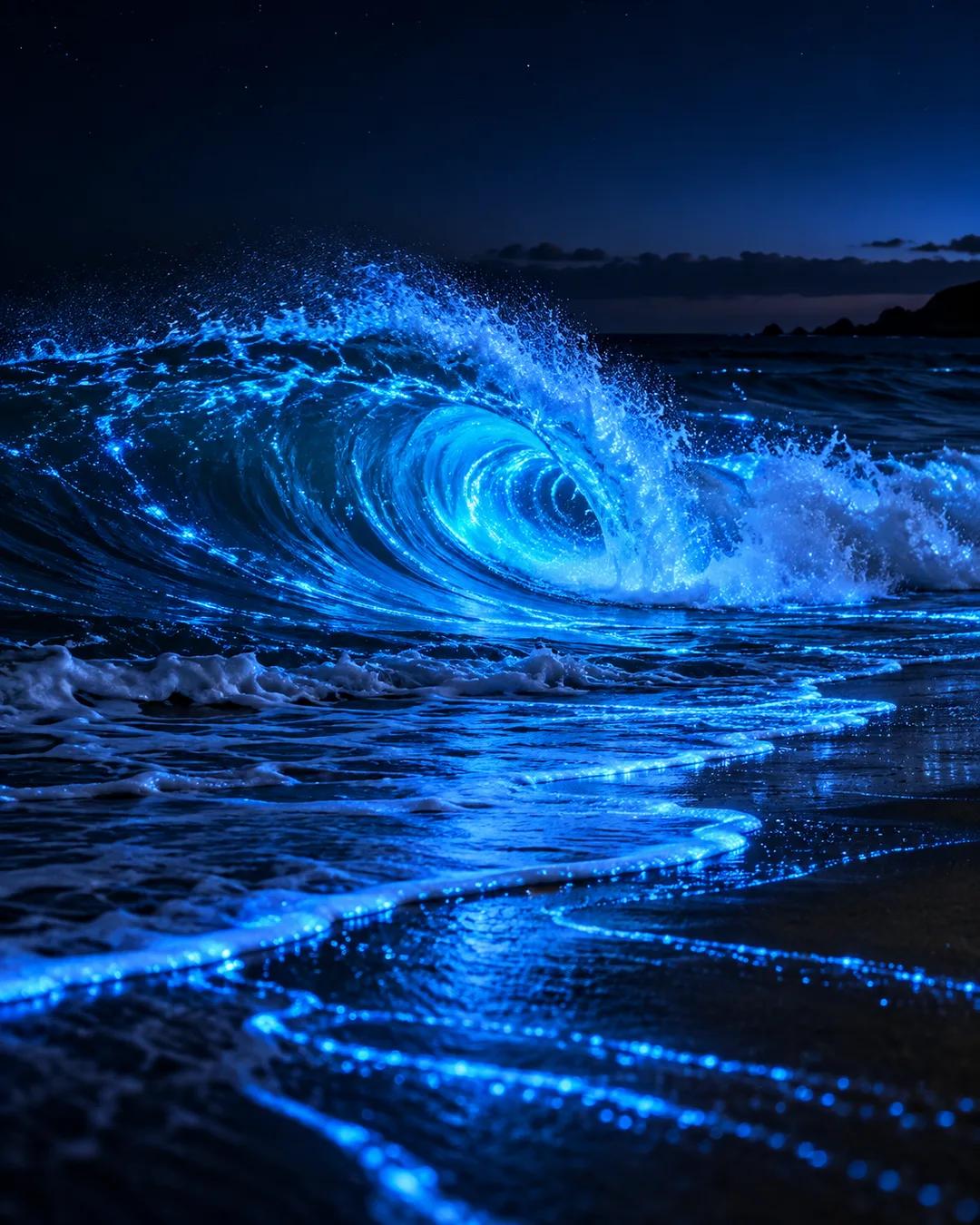
Glowing blue at sea
In many parts of the world, including San Diego, microscopic algae with a nucleus, cells a lot like ours, bloom in the ocean and produce an electric blue light show. Bacteria in the ocean can make light too, but they hold off until they reach a high enough density. Only then do they chemically communicate with one another, and the signal tells them to turn on the bioluminescence.
Microbes have no eyes because they have no tissues, and each one is a single cell. Smell is a form of chemical communication, and chemicals are how microbes largely talk. It is chemical chatter.
How do bacteria count each other?
Each cell releases small signal molecules into the water around it. As more cells gather, the concentration of the signal climbs. When it passes a threshold, the molecules bind to receptors in the cells and switch on a set of genes together. The marine bacterium Vibrio fischeri became the classic example when its light-producing genes were shown to work this way.
Why wait for a crowd before glowing?
Making light costs energy, and a single cell's glow would be invisible. Only a dense group produces enough light to matter. Vibrio fischeri lives in the light organ of the Hawaiian bobtail squid, where the bacteria grow dense and glow. The squid uses that light to match the moonlight above it and hide its shadow from predators below.
What makes ocean algae glow blue?
The glowing algae in blooms are mostly dinoflagellates. Movement in the water, such as a breaking wave or a swimming fish, stretches their cell membranes and triggers a flash. The flash comes from a reaction between a molecule called luciferin and an enzyme called luciferase. The light is blue because blue travels farthest in seawater.
More from Ologies with Alie Ward