Korva is a scroll of the internet’s best ideas.
Banking 15 million Brazilians

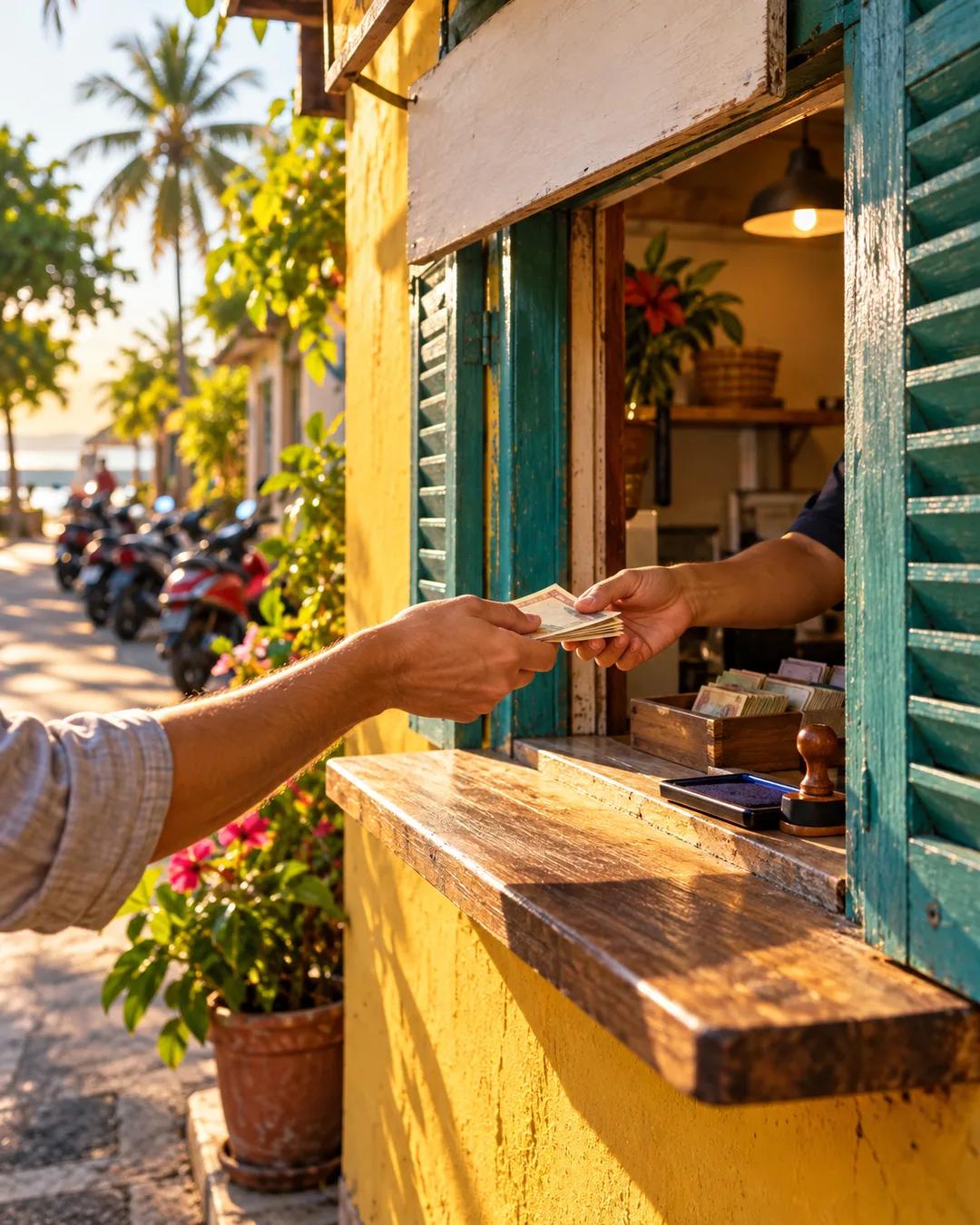
Micky Malka and his partner Wences Casares moved to Brazil, and Malka lived there for three years with his wife. Half of Brazil was unbanked, and this was before the smartphone. The business ran on three models: counters inside existing stores at checkout, kiosks inside stores as a hybrid, and small franchise shops that handled only payments. At its peak it had 7,000 of these physical spaces and served 15 million customers, the first to bank them.
The economy refused to take off, whatever they tried. They almost killed the business twice and came close to losing all the money they had ever made. A childhood in Venezuela, with hyperinflation and devaluation, had taught Malka that the economy at the micro level matters. Brazil taught him the same lesson with every chip on the table. The company was sold in 2008.
Why were so many Brazilians unbanked?
Brazil spent decades with runaway inflation, which made keeping money in a bank account a losing proposition. According to Brazil's statistics agency, IBGE, consumer prices rose by more than 2,000 percent in 1993. The Plano Real, introduced in 1994, finally brought inflation under control. Bank branches had also clustered in wealthier areas and cities, leaving much of the interior with no nearby branch.
How did Brazil bring banking into shops?
Since 1999, central bank rules have let Brazilian retailers, pharmacies, and lottery shops act as banking correspondents that take payments and handle cash for banks. Caixa Econômica Federal, a state-owned bank, used its network of lottery outlets this way to reach towns without branches. In November 2020 the central bank launched Pix, a free instant payment system that anyone with a bank account could use.
Why did phones later transform branchless banking?
In 2007, Safaricom launched M-Pesa in Kenya, which let people send money by text message and cash in and out at agent shops. The network of shopkeepers acting as agents did the work that bank branches had done elsewhere. By the 2010s mobile money services were operating in dozens of countries across Africa, Asia, and Latin America, according to the GSMA, the mobile industry's trade body.
More from David Senra