Korva is a scroll of the internet’s best ideas.
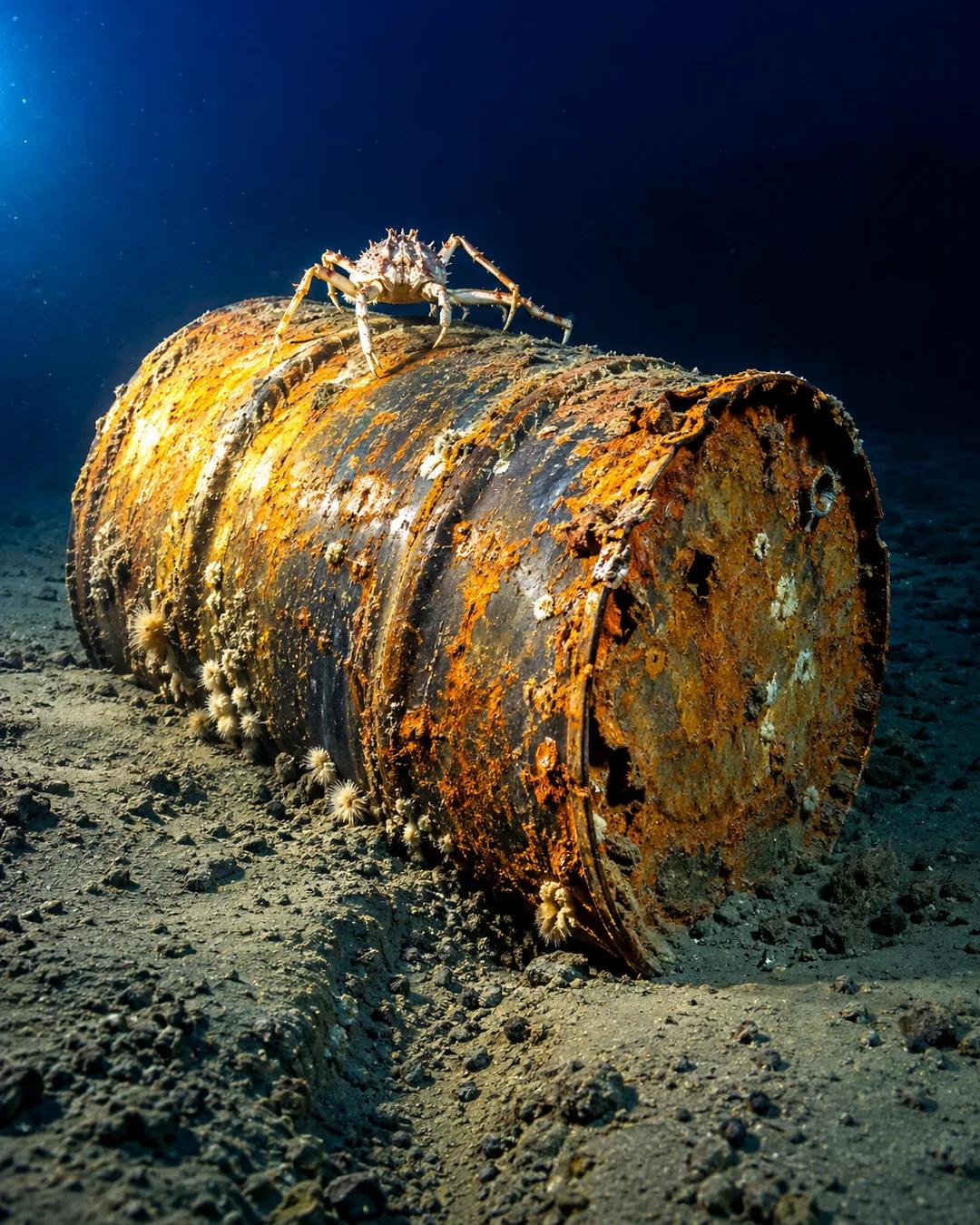
Barrels dumped off Catalina
What went into the sea
The dumping covered refinery wastes, filter cakes, oil drilling wastes, chemical wastes, refuse and garbage, military explosives, and radioactive wastes. Oceanographers have found thousands of pieces of dangerous material, including a dump site of military weapons.
Some of the barrels contain the pesticide DDT, and others are thought to contain battery acid. The sites sit close to Catalina Island and Los Angeles.
What researchers are finding
Researchers at UC Santa Barbara and Scripps are working out what chemicals are in the barrels. They see evidence of microbes chomping on the contents, but nobody wants to poke a barrel and cause a spill, so they tiptoe around them. Dives have turned up pollution in places no one expected to see it.
Why was dumping at sea so common?
For decades the ocean was treated as too large to be harmed by waste. Disposal at sea was cheap compared with treatment on land. Congress passed the Marine Protection, Research, and Sanctuaries Act in 1972, which began regulating ocean dumping in the United States. Dumping of radioactive waste at sea and of industrial waste was banned after that.
How does DDT build up in sea life?
DDT dissolves in fat rather than water and breaks down very slowly. It sticks to sediment particles and is taken up by small animals, then passed up the food chain, concentrating at each step. This build-up is called biomagnification. Rachel Carson's 1962 book Silent Spring documented how DDT reached top predators, and the United States banned it in 1972.
How do microbes break down chemicals like DDT?
In oxygen-free sediment, some bacteria strip chlorine atoms off chlorinated compounds in a process called reductive dechlorination. They use the chlorinated molecule in place of oxygen to get energy. For DDT, this changes the molecule into a different compound, often DDD. The process is slow, and it can take decades.
More from Ologies with Alie Ward