Korva is a scroll of the internet’s best ideas.
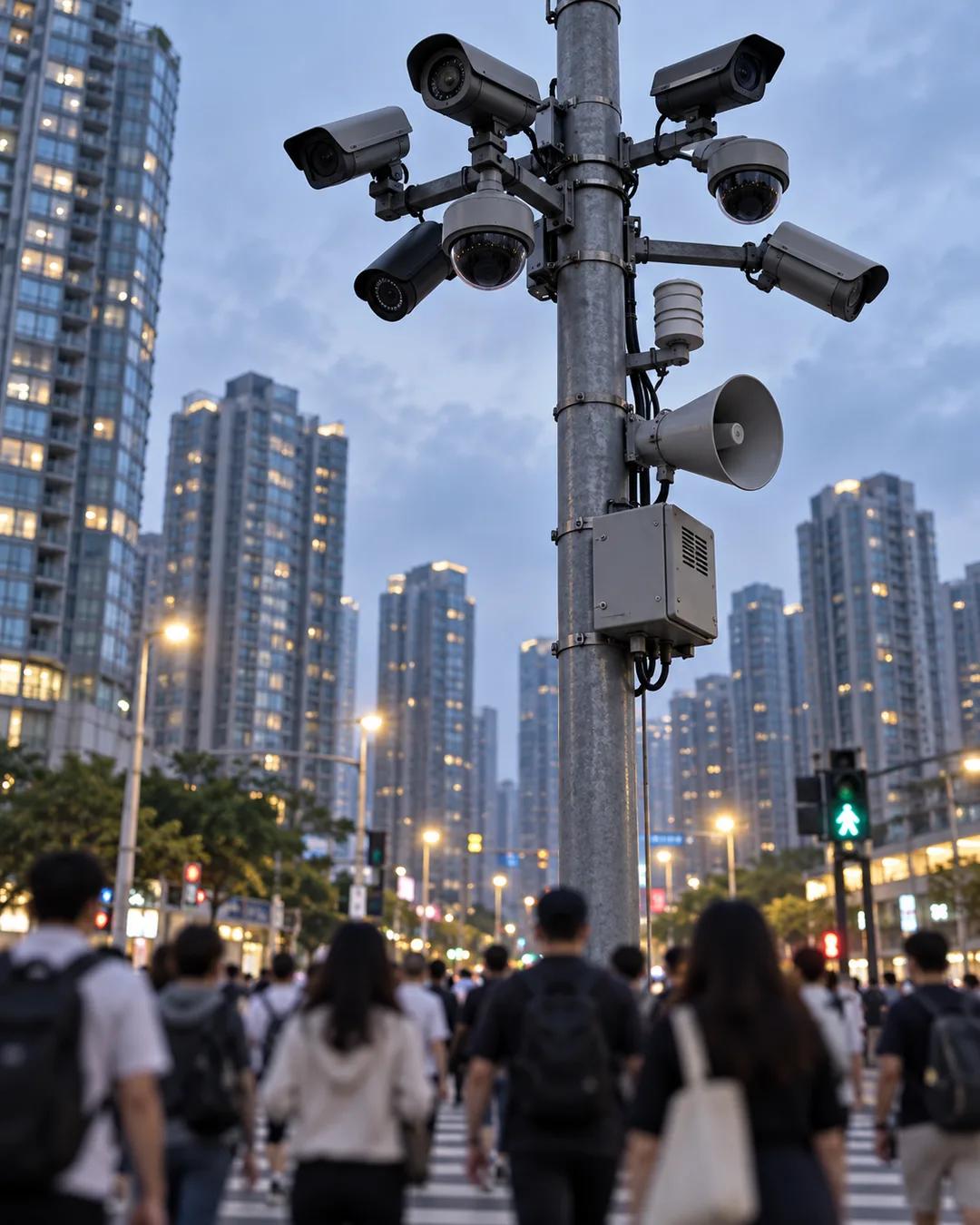
Big data exposes CIA officers

Human intelligence has entered a different world from the one it was built for. A service with access to enough data on a city's cameras and people can discern who is moving where, and how they move.
About fifteen years ago that shift ended in a catastrophe: most of the CIA's human assets in China were rolled up, because the agency had not taken those concerns seriously. Rebuilding that asset base took hard work, and it has made some progress.
How does gait recognition identify people?
Gait recognition software analyzes video of a person walking and measures features such as stride length, the swing of the arms, and the rhythm of the steps. It works from the shape and motion of the whole body, so it can function when a face is turned away or too far from the camera to read. Researchers have built systems that identify people from footage taken at a distance and in low resolution. A gait can be captured from a camera across a street, which is a distance at which a face usually cannot.
Why does exposure unravel a spy network?
Human intelligence depends on secret meetings between an officer and a source. A counterintelligence service that identifies the officer can follow the officer's movements and trace the people the officer meets. Each source who is found can point to others, so one discovery can spread through a network. Intelligence services have long used surveillance teams for this purpose, and cameras and data analysis let one team watch far more people at once.
More from Not Dead Yet