Korva is a scroll of the internet’s best ideas.
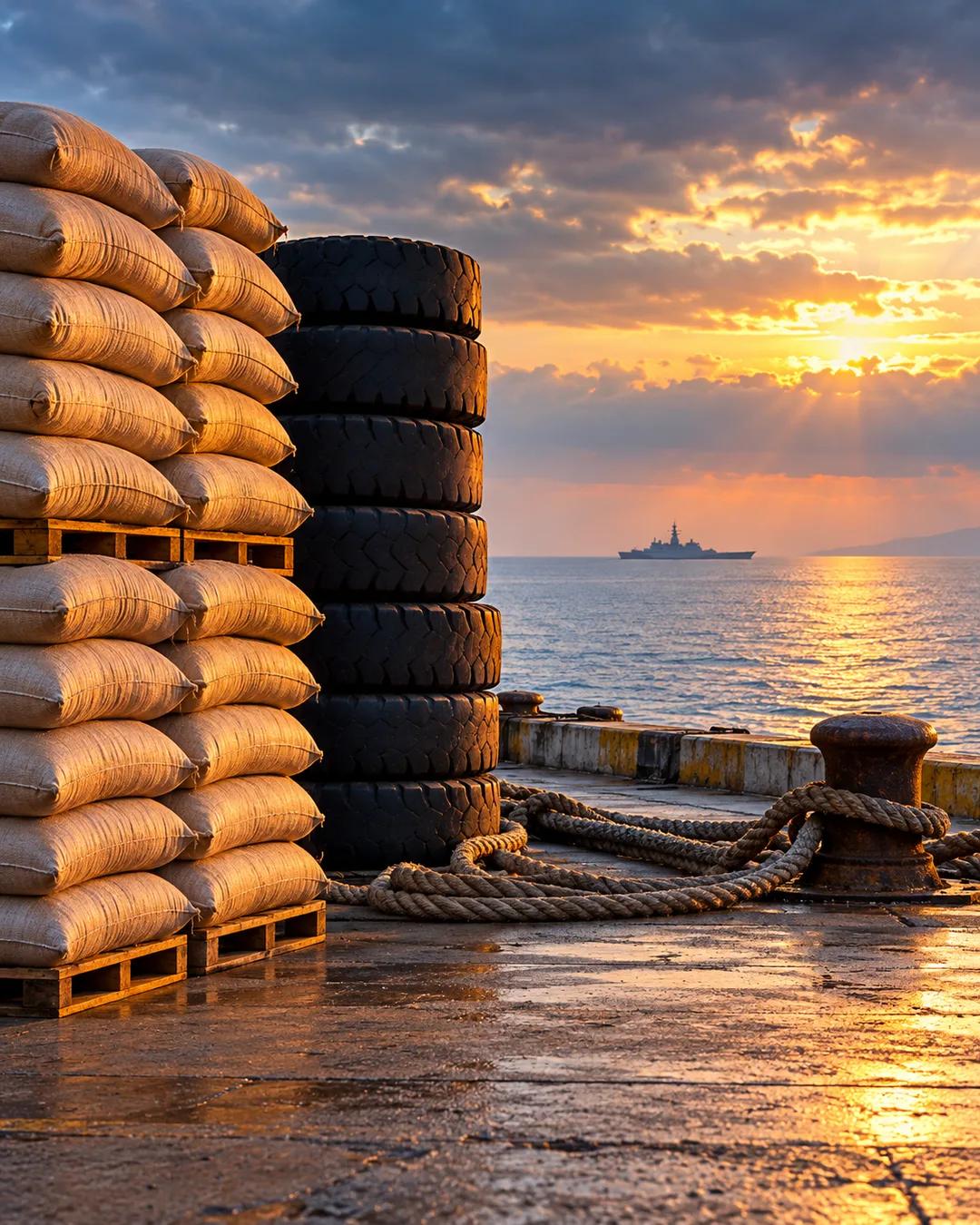
Blockades beat integrated empires

Imperial Germany shows how. It integrated into world trade, held investments in Argentina and Chile, and in many places its commerce drove out the British. The trade gave it money, technology, and military power. Then World War I put Germany at war with the United Kingdom, and it could no longer import the grain from Argentina and America that fed its people or the rubber from Malaya that supplied the tires it needed for war. That cutoff is one of the big reasons the English won so many of their wars.
Much of China's energy policy can be understood as an attempt to escape the same trap. Picture Beijing declaring a blockade of Taiwan and the United States answering with a counter blockade from a hundred miles further out: no oil comes in, no manufactured goods go out, and the soybean contracts with farmers in Brazil and Argentina go undelivered. China has built enormous oil stockpiles, installs solar, builds as much hydro as it can, and digs as much coal as it possibly can. The aim is to depend less on the outside world so that, in a worst case with the United States, it can fight for the long term.
How did the British blockade squeeze Germany?
From 1914 the Royal Navy closed the North Sea approaches and restricted the imports reaching German ports. Food shortages deepened, and the winter of 1916 to 1917 became known in Germany as the Turnip Winter because turnips replaced potatoes and other staples. Post-war German government estimates attributed hundreds of thousands of civilian deaths to hunger and related illness during the war years. The blockade stayed in force until the peace treaty was signed in mid-1919.
Why did Germany need Malayan rubber?
The rubber tree is native to South America, but by the early twentieth century plantations in Southeast Asia, Malaya among them, supplied most of the world's rubber. Germany had no tropical colonies suited to growing it at scale. Rubber went into tires, hoses, seals, and insulation, all needed by a modern army. In the 1930s German chemists developed Buna, a synthetic rubber, partly to remove that dependence.
Which sea lanes could choke China's oil?
A large share of the oil China imports passes through the Strait of Malacca, between Malaysia and Indonesia. The US Energy Information Administration lists it among the world's most important oil transit chokepoints. At its narrowest, in the Phillip Channel near Singapore, the strait is under three kilometers wide. Chinese leaders have long referred to the exposure as the Malacca dilemma.
More from Invest Like the Best with Patrick O'Shaughnessy