Korva is a scroll of the internet’s best ideas.
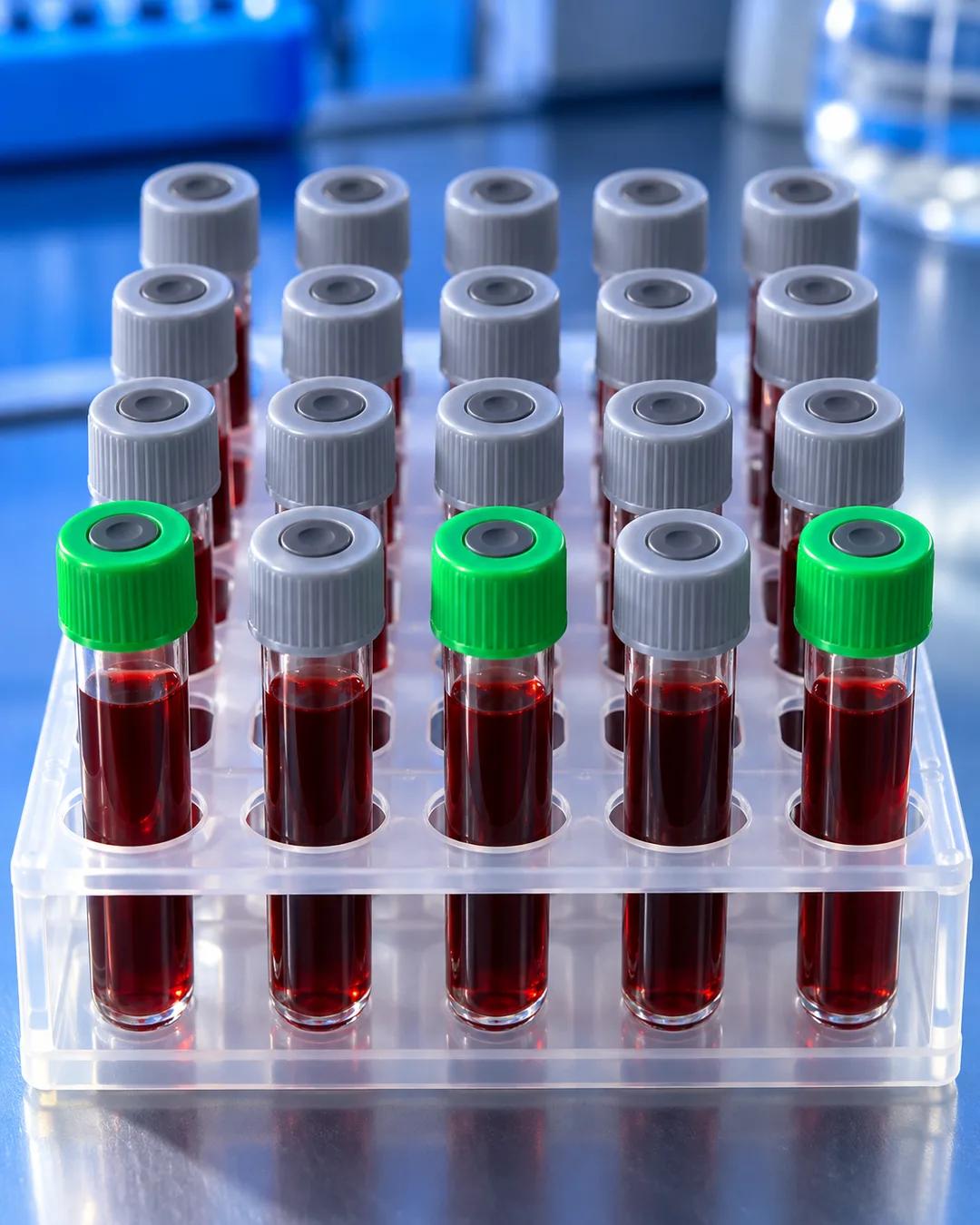
Blood test caught three of 20

Allergist Kimberly Blumenthal worked with Thermo Fisher Scientific, which had developed the panel and wanted to see whether it worked in allergic individuals from America. Her team identified everyone in the Boston area who had reacted to penicillin in front of them in recent years and sent in their blood.
The conclusion was that people who reacted five or ten years ago might not be allergic now. True positives meant bringing patients back for retesting. Combing the records of all of Mass General Brigham turned up 22 penicillin allergics, like needles in haystacks.
A reliable blood test for IgE to penicillin would solve the problem, but the literature suggests a blood test cannot yet be relied on. In the meantime, her health care system created a measure of delabeled patients. It can be tracked clinic by clinic, which shows which interventions move the percentage higher.
Why does a penicillin blood test miss allergies?
Blood tests look for IgE antibodies against penicillin in the serum. IgE levels fall as years pass after a reaction, sometimes to undetectable levels even though the person was allergic. The test also targets a limited set of penicillin fragments. Together these limits keep sensitivity low.
Why do records show so few true allergics?
Confirming a true penicillin allergy requires either a documented reaction or a positive test, and most records hold neither. Large health systems hold millions of patient records, yet only a small fraction contain an allergy that has been verified. Verified cases are rare because most labels turn out to be false. Researchers searching for true cases therefore end up with a very small set.
Who is Kimberly Blumenthal?
Kimberly Blumenthal is an allergist and researcher at Massachusetts General Hospital and Harvard Medical School. Her work focuses on drug allergy, particularly penicillin allergy labels and their effects on patient outcomes. Her group has published studies linking the labels to higher rates of resistant infections. Mass General Brigham, her health system, has built programs to evaluate and remove incorrect labels.
More from Freakonomics Radio Network