Korva is a scroll of the internet’s best ideas.
Brains evolved for the tribe

Built for survival
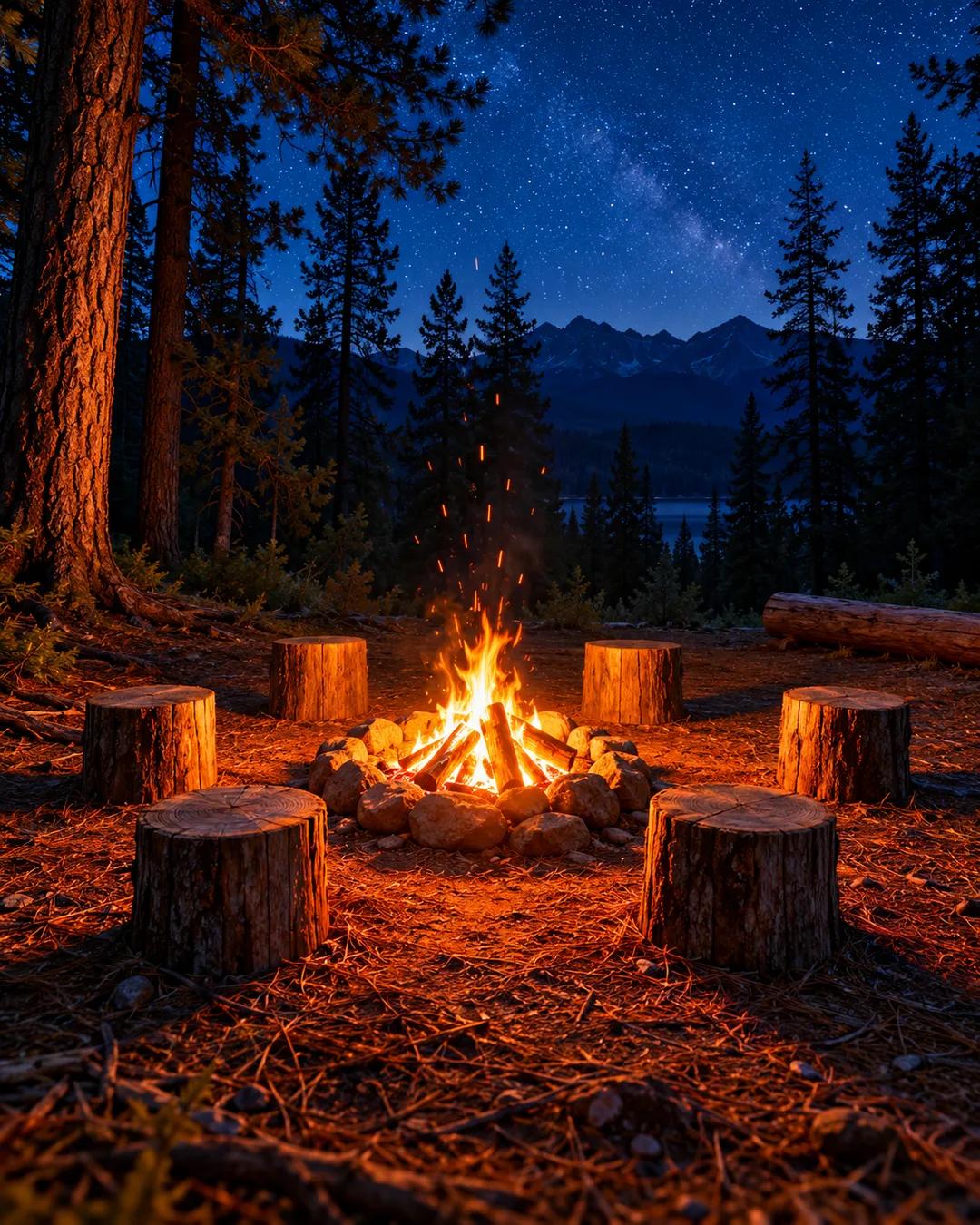
Early humans desperately needed each other to survive, so their brains had to make sure they cooperated. Isolation and exclusion feel terrible because they were once life threatening: a tribe that worked together survived, and a divided tribe died.
Small overlaps
For thousands of years, communities held together through small overlaps. A person might dislike a neighbor and still root for the same sports club, see them at church, and agree that the people from the other village were idiots. Living close made people familiar, and familiarity created similarities that bridged different world views. Those world views were probably not that different anyway, because the same local culture formed them.
As tribes grew into towns, cities, and nations, brains and communities adapted to more diverse neighbors who met in town squares and universities and argued with each other. Communities were still relatively isolated, and people stayed pretty similar to and aligned with those around them.
Social glue
Disagreement is not a bad thing in itself. Tension over how to live can create new and wonderful things, and whatever counts as normal today will not be normal in the future. Societies also need social glue, because brains care about being safe in a tribe and ignore the meta level of humanity.
Why does exclusion hurt so much?
In a 2003 study in Science, Naomi Eisenberger, Matthew Lieberman, and Kipling Williams scanned people's brains while they played a virtual ball-tossing game in which the other players eventually stopped passing to them. Being left out activated the dorsal anterior cingulate cortex, a region that also responds to the distress of physical pain. The participants reported feeling socially distressed, and the more the region activated, the stronger that distress was.
How do small overlaps hold groups together?
Sociologists call this idea cross-cutting ties, and Georg Simmel described it in the early 1900s. When a person's memberships overlap, such as a church, a club, and a workplace, the people they clash with in one setting are allies in another. Political scientist Seymour Martin Lipset built on the idea in his 1960 book Political Man, arguing that overlapping loyalties soften conflict in a society.
How big were the earliest human groups?
Hunter-gatherer societies studied by anthropologists typically live in small bands of a few dozen people. Those bands belong to larger networks of related bands that gather occasionally and share marriage partners, resources, and ideas. A 2011 study in Science by Kim Hill and colleagues compared 32 hunter-gatherer societies and found that people in them often lived with unrelated individuals as well as relatives, which sets human groups apart from those of other great apes.