Korva is a scroll of the internet’s best ideas.
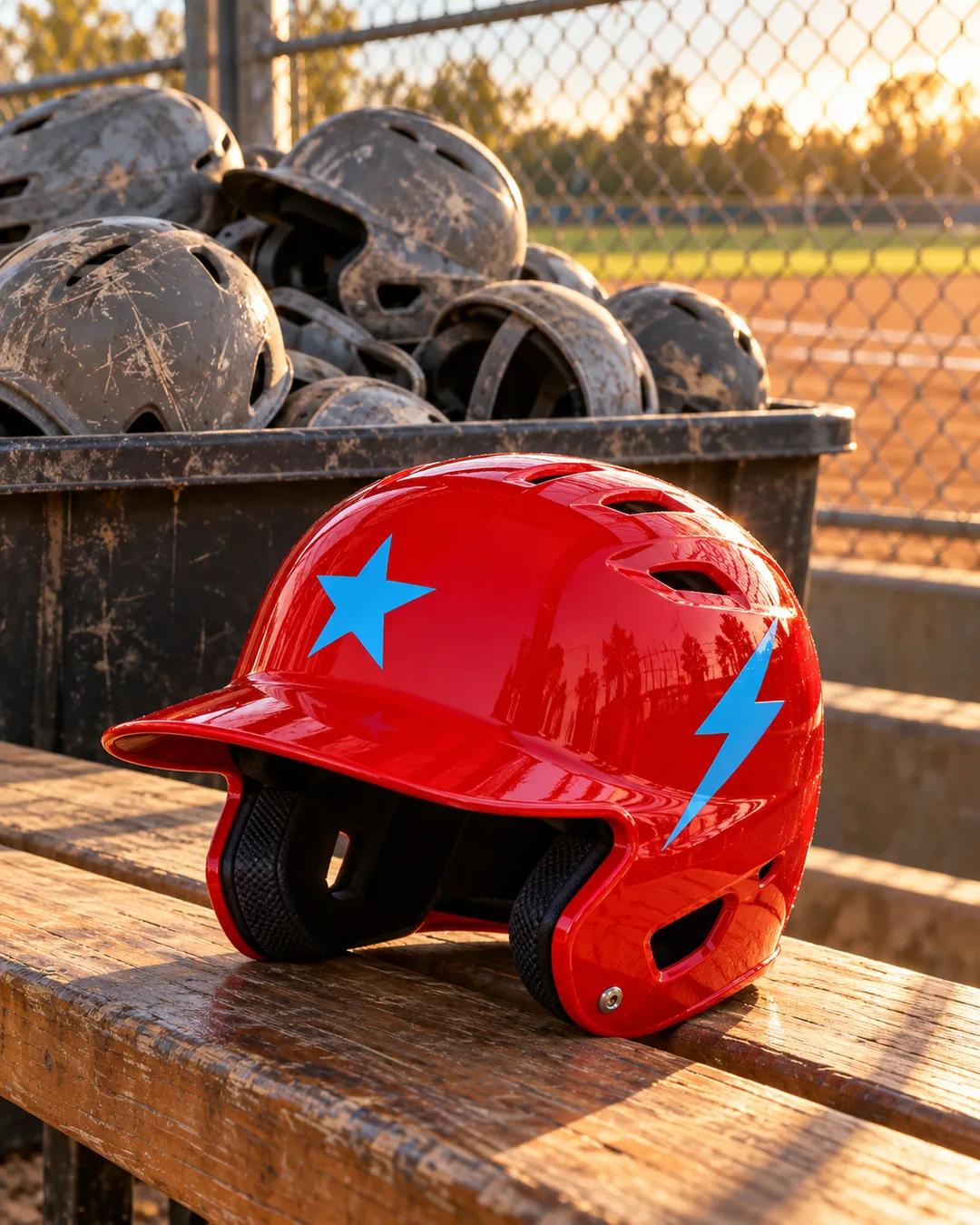
Bring your own batting helmet
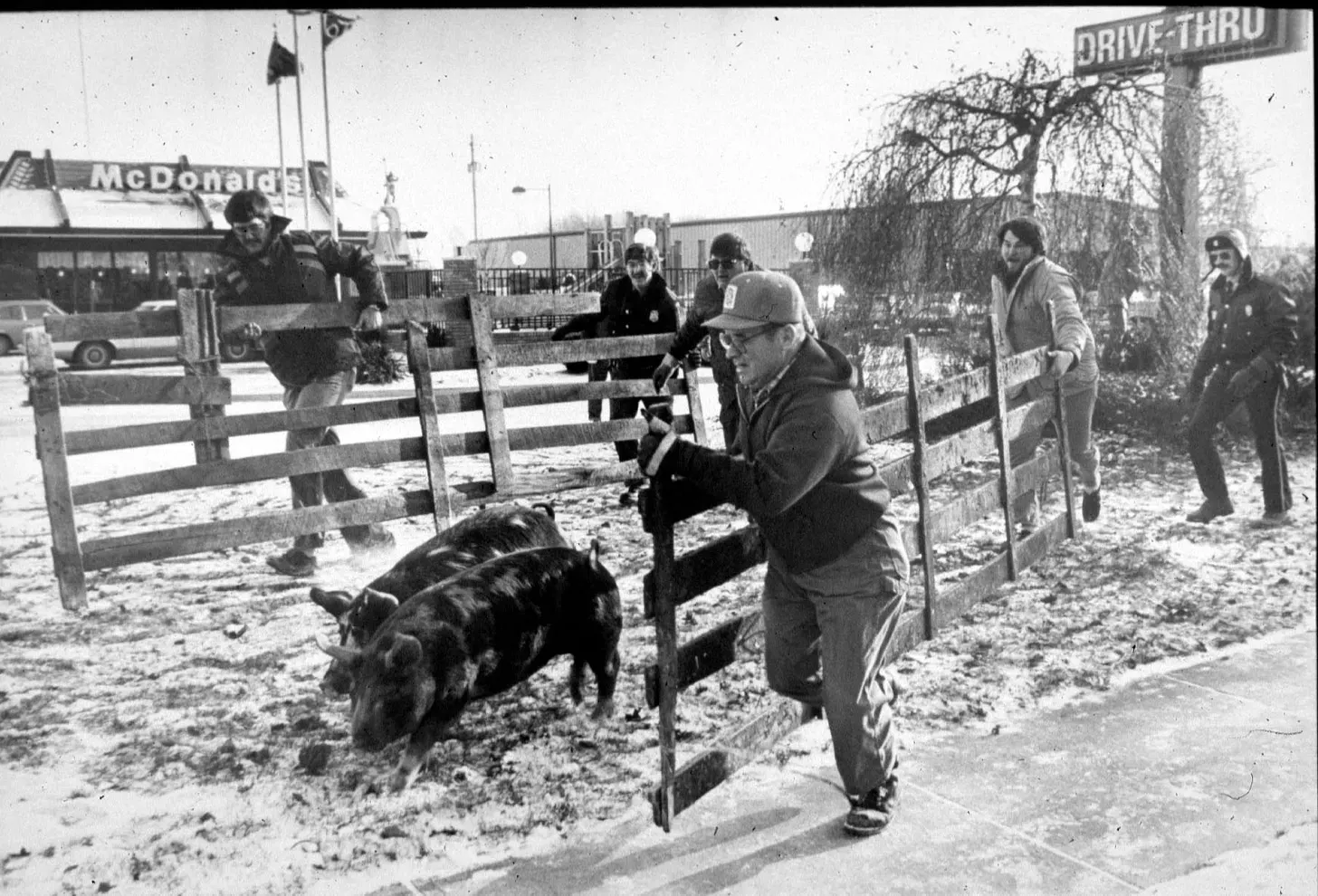
Bring your own purpose
The own helmet in this case is a sense of purpose, and acquiring one is the most human part of human development. It means refining your sense of right and wrong and working out how you, personally, can increase the right and decrease the wrong. Answers can be multiple and can change over time, but skipping the questions entirely leaves a void where moral convictions should be.
That void does not stay empty. It fills up with tumorous desires for money, power, fame, and status, and the person it produces is the kind who responds to incentives. A sense of purpose is both prosocial and protective, which is why it is owed to other people and to yourself.
The Little League helmets
Little League makes the picture concrete. The batting helmets supplied by the local rec department fit nobody, and all of them smelled like a hundred sweaty 10-year-olds, because a hundred sweaty 10-year-olds had worn them. Every at-bat carried the risk of striking out and the risk of head lice.
A few serious kids brought custom-fitted helmets with decals on them. They ran the bases like little princes, wild pitches bounced harmlessly off their heads, and the outfielders perked up whenever one of them stepped to the plate.
Why does payment make people enjoy tasks less?
In 1971, psychologist Edward Deci had college students work on Soma puzzles, paying one group per puzzle solved and paying the other nothing. During a free break afterward, the paid group spent less time playing with the puzzles than the unpaid group did. In 1973, Mark Lepper, David Greene, and Richard Nisbett found the same pattern in preschoolers who were promised a certificate for drawing: they drew less during later free play than children who were never promised anything. The pattern is called the overjustification effect.
How did baseball end up requiring helmets?
Major League Baseball made batting helmets mandatory in 1971, but players already in the league were allowed to go without. Tony Conigliaro of the Red Sox was struck in the face by a pitch in 1967, an injury often cited as a push toward protection. Ear flaps became required for new players in 1983. Bob Montgomery of the Red Sox, who retired in 1979, was the last major leaguer to bat without a helmet.
More from Adam Mastroianni