Korva is a scroll of the internet’s best ideas.
Britons repaid slave owners until 2015

Owners get paid
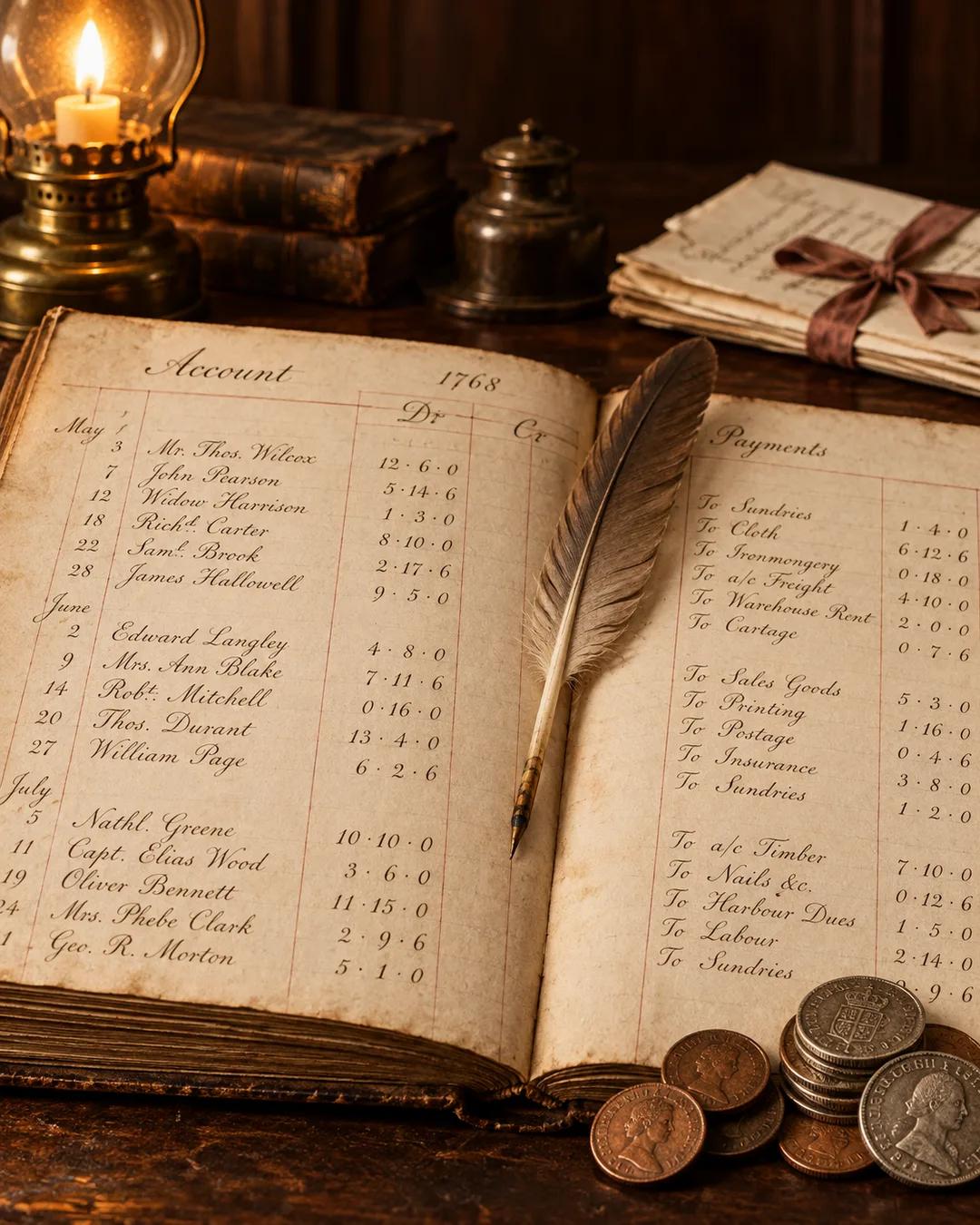
The owners, many of them members of Parliament, argued that abolition took their property and they should be paid for it. Nobody proposed paying the Africans who had worked for nothing. Each owner received a compensation certificate based on the number of slaves held multiplied by their assigned value. The government borrowed the money, and ordinary British taxpayers kept repaying that loan for 180 years, most of them unaware of what it was for.
The Gladstone family collected one of the largest checks, about 105,000 pounds, worth tens of millions today. It came on top of the fortune they had already made from slave labor and from selling sugar, rum, and molasses.
What came after
The enslaved did not walk free that day. Under the law they stayed five more years as unpaid apprentices, and freedom arrived on August 1, 1838. Territories of the East India Company were excluded from the law, and from the 1830s until 1947 Indians were shipped to the former sugar colonies to keep the system going, which is why Jamaica, Guyana, Mauritius, and Malaysia have large Indian populations.
How did Britain borrow 20 million pounds?
The Treasury raised the money by issuing government bonds, and the loans were arranged in 1835 through bankers including Nathan Rothschild and Moses Montefiore. A compensation commission then examined the claims of owners, and payments were made over several years. Because the debt was folded into long-dated government stock, the interest was paid from general taxation for generations. The Treasury redeemed the last of that stock in 2015.
How did apprenticeship keep people unfree?
Under the Abolition Act of 1833, formerly enslaved field workers were classed as apprentices and owed their former owners about 40 hours of unpaid labor each week. Special magistrates sent from Britain could punish apprentices who refused. Reports of the punishments reached Britain and fed public pressure against the scheme. Colonial legislatures ended the apprenticeship system in 1838.
Why were Indian laborers shipped to sugar colonies?
The 1833 act exempted territories held by the East India Company, so slavery stayed legal across much of India until the Indian Slavery Act of 1843. After abolition, planters in the Caribbean, Mauritius, and elsewhere lost their unpaid workforce and recruited laborers under indenture contracts. More than a million Indians left under such contracts between the 1830s and 1917. That migration is why Guyana, Trinidad, and Mauritius have large populations of Indian descent.
More from The Joe Rogan Experience