Korva is a scroll of the internet’s best ideas.
Building it is the easy part

The risks of building
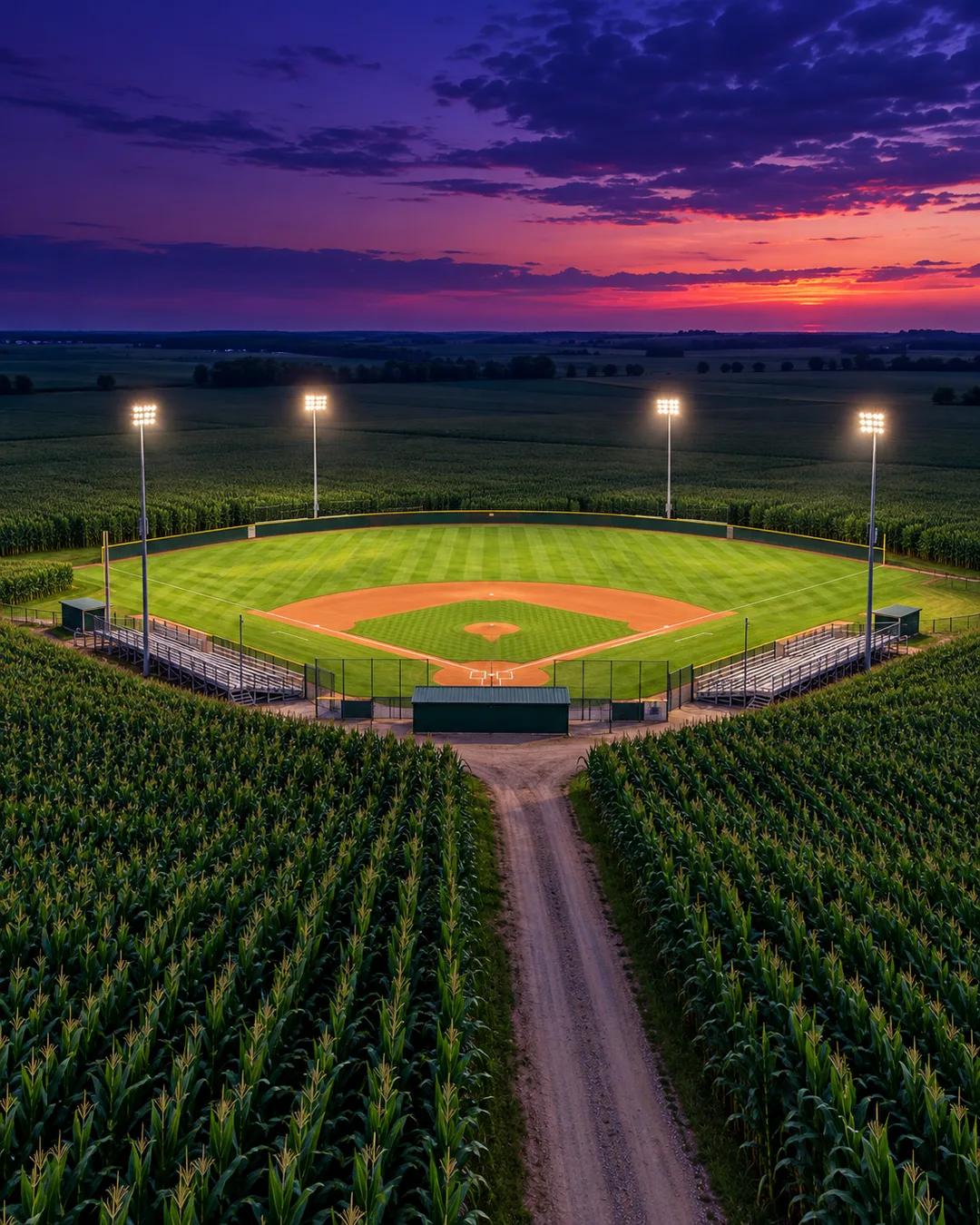
If you build it, they will come originated in Field of Dreams, where it was about a stadium. The line leaves out the risks: a product might get built and go unused, get regulated out of existence, attract nobody who wants to work on it, or be overtaken.
The human part
Plenty of brilliant people work on the engineering and the building. A commensurate amount of effort and thought isn't going into the human part of the equation: convincing people to want the technology, use it, and work on it. The greatest and most underestimated barrier between a technology existing and having an impact is people understanding it and welcoming it into their lives.
AI's reputation problem
AI shows the gap. We know how to build a data center, and a moratorium because people don't want one is a different kind of obstacle. AI right now has the worst reputation, with a favorability rating below almost anything, and people who talk about AI at commencement addresses are getting booed out of the room.
Where does 'if you build it' come from?
The line comes from the 1989 film Field of Dreams, adapted from W. P. Kinsella's 1982 novel Shoeless Joe. A voice tells an Iowa farmer to build a ballfield in his cornfield, promising that someone will come. The popular version of the line says they where the film says he. The filming site in Dyersville, Iowa, still draws visitors.
What predicts whether people adopt new technology?
In 1989, the information systems researcher Fred Davis proposed the technology acceptance model, which says adoption depends mainly on two beliefs: whether people think a tool is useful and whether they find it easy to use. Later studies across many workplaces have supported the model, and it has been extended to include factors such as social influence and trust.
Can a finished power plant go unused?
The Shoreham nuclear plant on Long Island was completed in the mid-1980s at a cost of billions of dollars, but local opposition and disputes over evacuation plans kept it from ever entering commercial service. The operator sold it to New York state for one dollar in 1989, and it was later dismantled.
More from David Senra