Korva is a scroll of the internet’s best ideas.
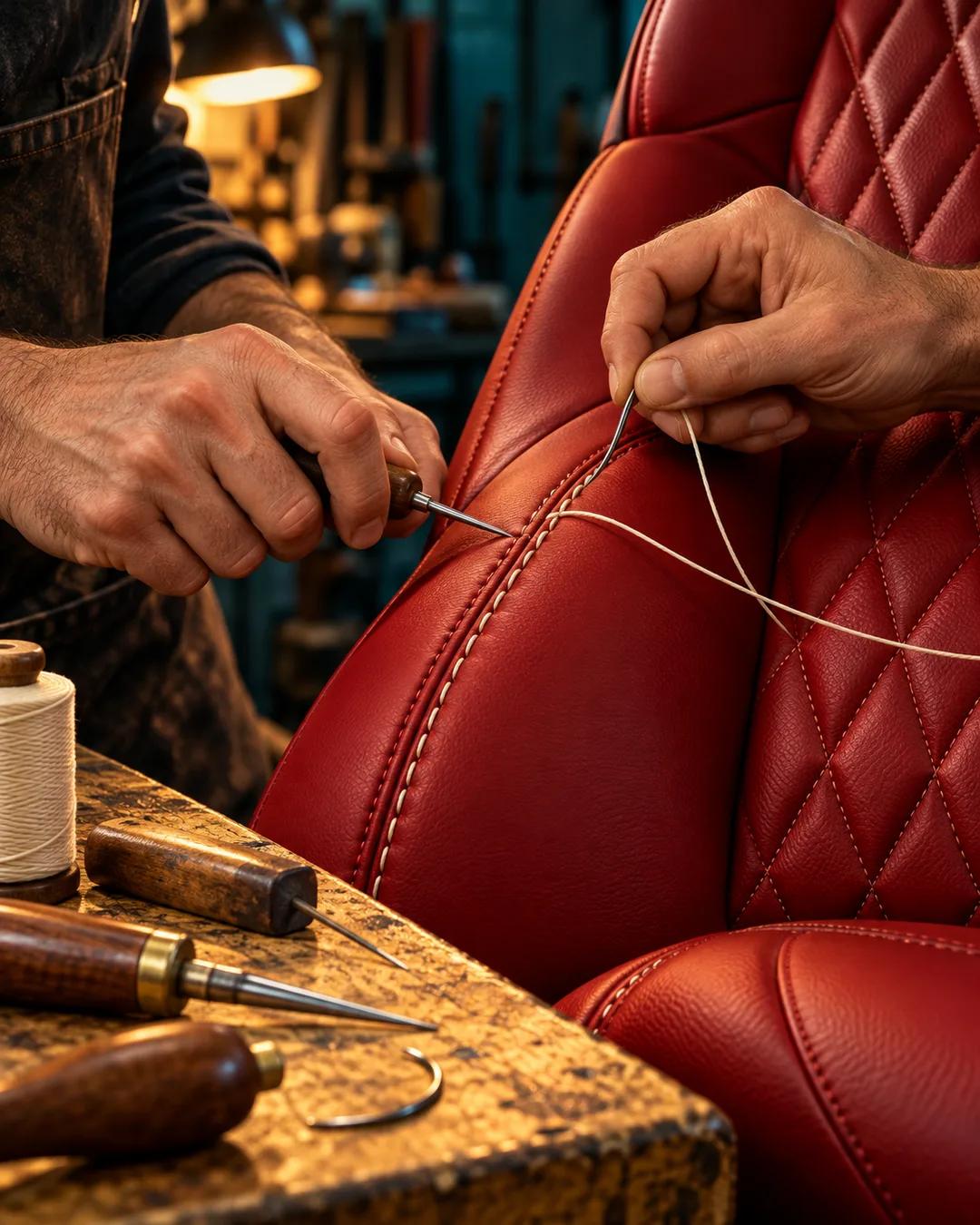
Buying the Ferrari pays the craftsmen

Craftsmen and cars
Someone has to stitch the seat so it's just right, and engineers have to put the car together. Ferraris exist only because people who succeeded elsewhere buy them. Cars are also a shared enjoyment: kids, who haven't picked up a cynical filter about wealth, light up when a nice car revs next to them.
How 37signals was built
There is a line where it turns into bragging about what was bought, but anyone who built a good product or service and made money from it legitimately gets to celebrate. 37signals was built in Chicago, when nothing much was going on there in tech, on 40 hours a week, with a life next to work, and with profits taken out of the business instead of chasing higher valuations.
The lifestyle claim
People call it a lifestyle business, and the lifestyle includes a yellow Lamborghini. Raising a lot of money makes sense when a business needs factories or GPUs. For software, a tiny team can build great products directly, keep what is left after expenses, and still enjoy the material fruits.
How are Ferraris built by hand?
Enzo Ferrari moved his company's production to Maranello, Italy, in 1943, and the factory is still there. Early Ferraris were built largely by hand, with body panels shaped by metalworkers over wooden forms. Enzo Ferrari funded his racing team by selling road cars to customers. The first car to carry the Ferrari name, the 125 S, appeared in 1947.
Why do software firms rarely need big capital?
Building software takes mostly people, and delivering it to one more customer costs very little. Industries such as chip manufacturing need physical plants, and a leading-edge fabrication plant costs well over ten billion dollars to build. Training large AI models needs thousands of specialized GPUs, which also require large sums up front. A software company that needs only salaries and servers can reach profit without outside funding.
Why do carmakers rely on outside designers?
Italian design house Pininfarina began designing Ferrari bodies in the early 1950s, and the partnership lasted for decades. Coachbuilders in Italy had long made bodies for chassis built by other firms. In the early twentieth century, many luxury carmakers sold bare chassis, and customers commissioned bodies from independent shops.