Korva is a scroll of the internet’s best ideas.
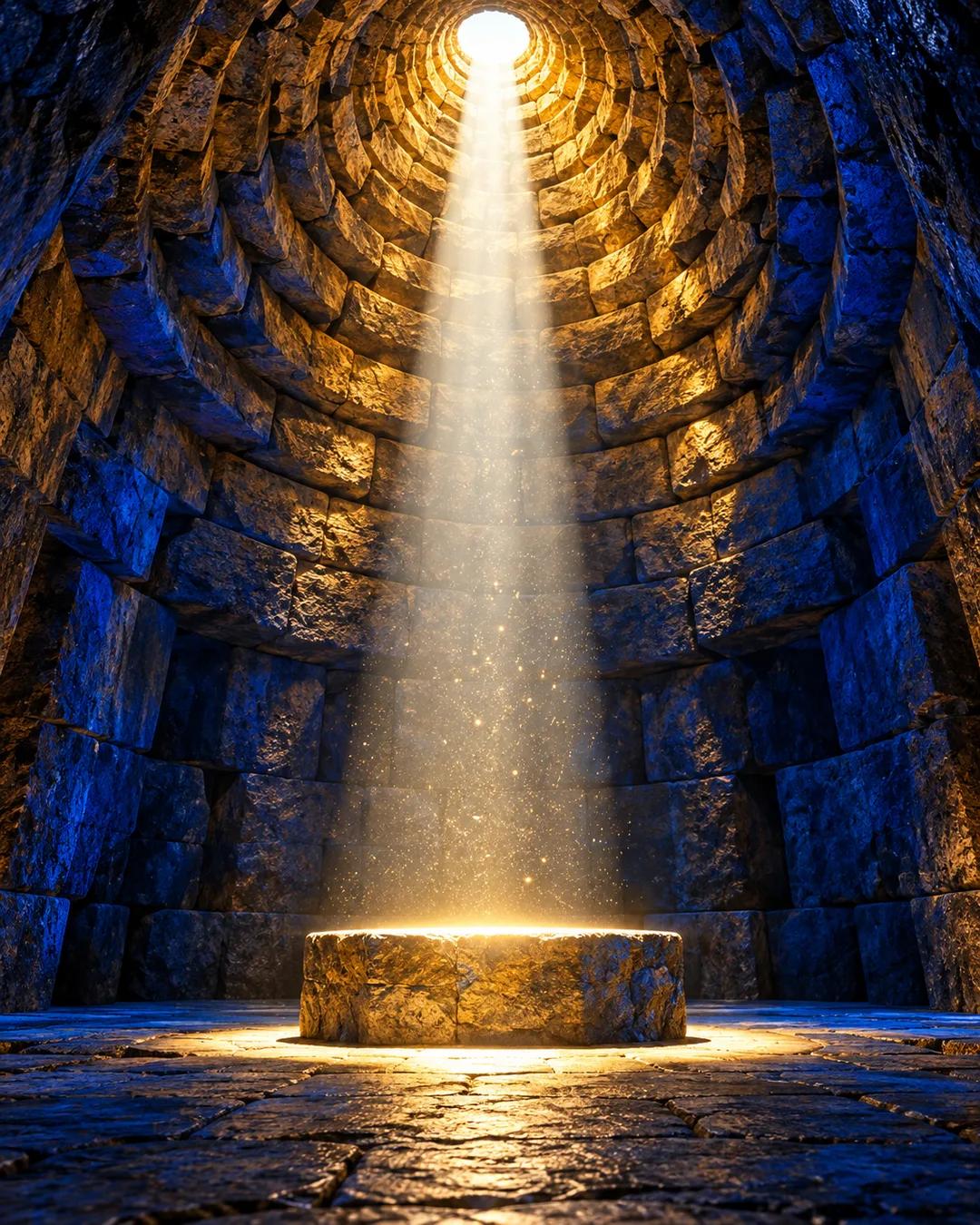
Cambodian temples catch zenith sunbeams

That day is called zenith passage, and it only happens in the tropics. It changes from latitude to latitude: it can fall on August 17 at one place and not reach a place to the south until September 5. The temples have a hole through the roof cap only about that wide, so the light narrows into what looks like a laser and lands on the altar below.
One former capital is oriented so that the sun rises on its zenith day aligned with the whole city, and when it comes up, beams of light shoot through all of its temples. The search for it started with the Maya, who were documented tracking zenith passage and discussing it with each other. Cambodia is in the tropics too, so the next step was to see what people there were doing.
Why does the sun pass overhead only in the tropics?
Earth's axis is tilted about 23.4 degrees. Over the year, the point where the sun stands directly overhead moves between the Tropic of Cancer and the Tropic of Capricorn. Places between those lines see the sun pass straight overhead twice a year. Places on the tropic lines see it once.
How did the Maya track zenith passage?
At Xochicalco in central Mexico, a cave has a shaft cut through its roof. On zenith days, a beam of sunlight comes down the shaft and lights the floor of the chamber. Archaeologists read the cave as an observatory that marked the date. Maya cities also have buildings oriented to zenith sunrises.
How is Angkor Wat tied to the sun?
Angkor Wat was built in the early twelfth century as a Hindu temple to Vishnu. It faces west, which is unusual for Khmer temples. Visitors standing at the western entrance see the sun rise over the central tower on the spring equinox. The temple's layout has been studied for alignments with the sun and moon.
More from Shawn Ryan Show
