Korva is a scroll of the internet’s best ideas.
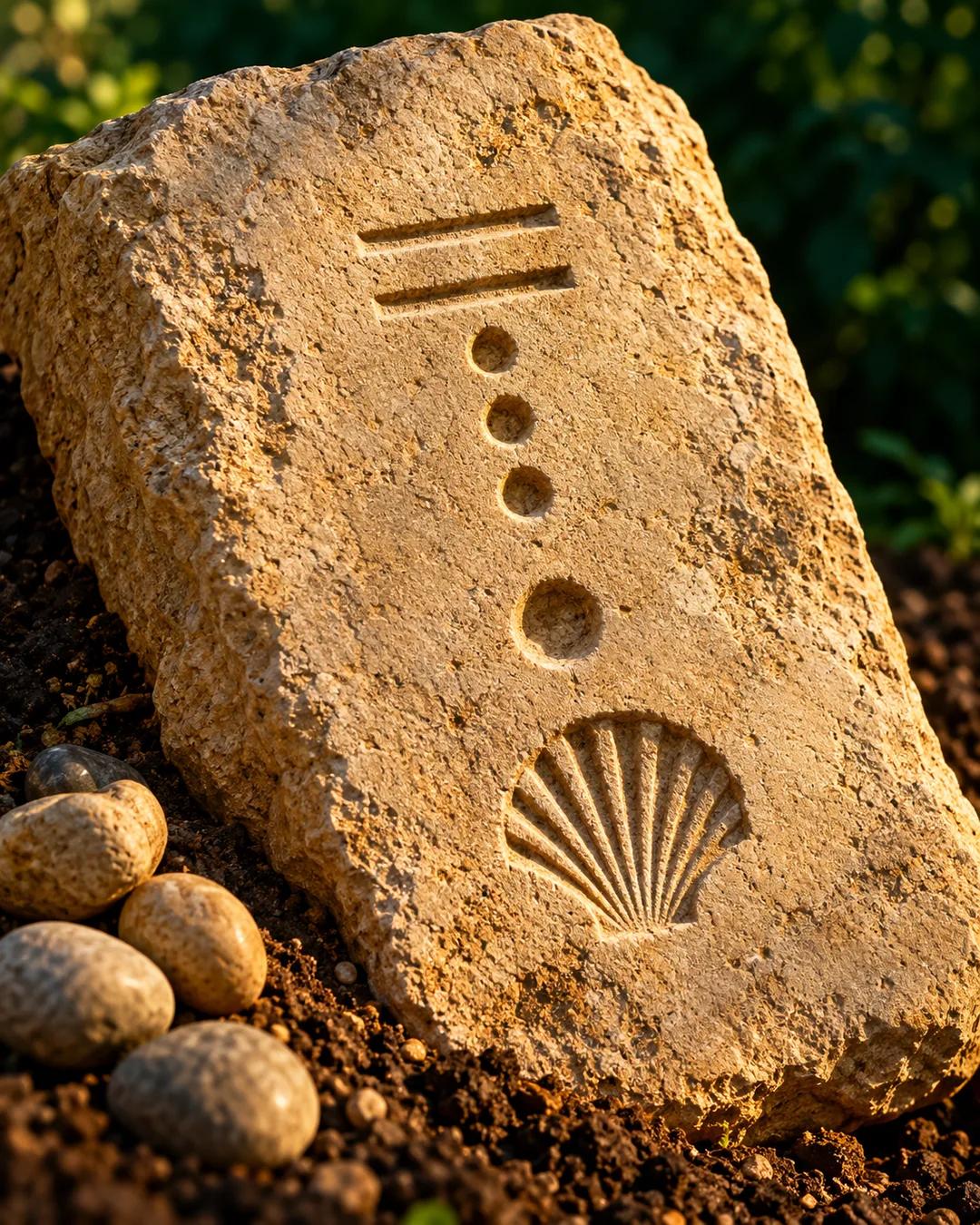
Three symbols wrote any Maya number

Dots and bars
Maya numbers were positional, just like ours, but in base 20. A dot is one, a bar is five, and a shell or flower is zero. At 20 you write a zero in the ones place and a one in the twenties place, then it carries on to 400 and beyond. Roman numerals are not positional, which is why a year like 1983 takes a pile of letters.
The calendar gap
One oddity sits in the calendar count. A straight base-20 sequence would run 1, 20, 400, 8,000, 160,000. The long count runs 1, 20, 360, and onward from there, which makes its year 360 days, five short of the real one, a gap they never corrected.
Counting objects
Every example of that altered counting involves days. No Maya text found so far counts objects, such as 400 captives, so nobody can confirm whether they counted things in a pure base-20 system or bent it the way they bent the calendar.
How did the Maya use zero?
Maya scribes used a shell-shaped sign as a placeholder, so a number like twenty could be written with a zero in the ones place. Inscriptions use zero in calendar dates by the early centuries CE. Maya scholars treat it as one of the few independent inventions of zero in history. It made large numbers short to write.
How did zero reach the Old World?
Indian mathematicians developed zero as a full number with its own arithmetic. In 628 CE, Brahmagupta wrote rules for adding, subtracting, and multiplying with it. The idea traveled through the Arab world, where scholars such as al-Khwarizmi wrote about Indian numerals. Fibonacci's Liber Abaci introduced the system to European merchants in 1202.
Why did some cultures count by twenties?
The usual guess is that people counted fingers and toes. Many languages still carry traces of base twenty. French says quatre-vingts, which means four twenties, for eighty. Danish says halvtreds, a contraction of a phrase meaning half the third twenty, for fifty.
More from Shawn Ryan Show