Korva is a scroll of the internet’s best ideas.
Causeways built for parties

Bolivian causeways
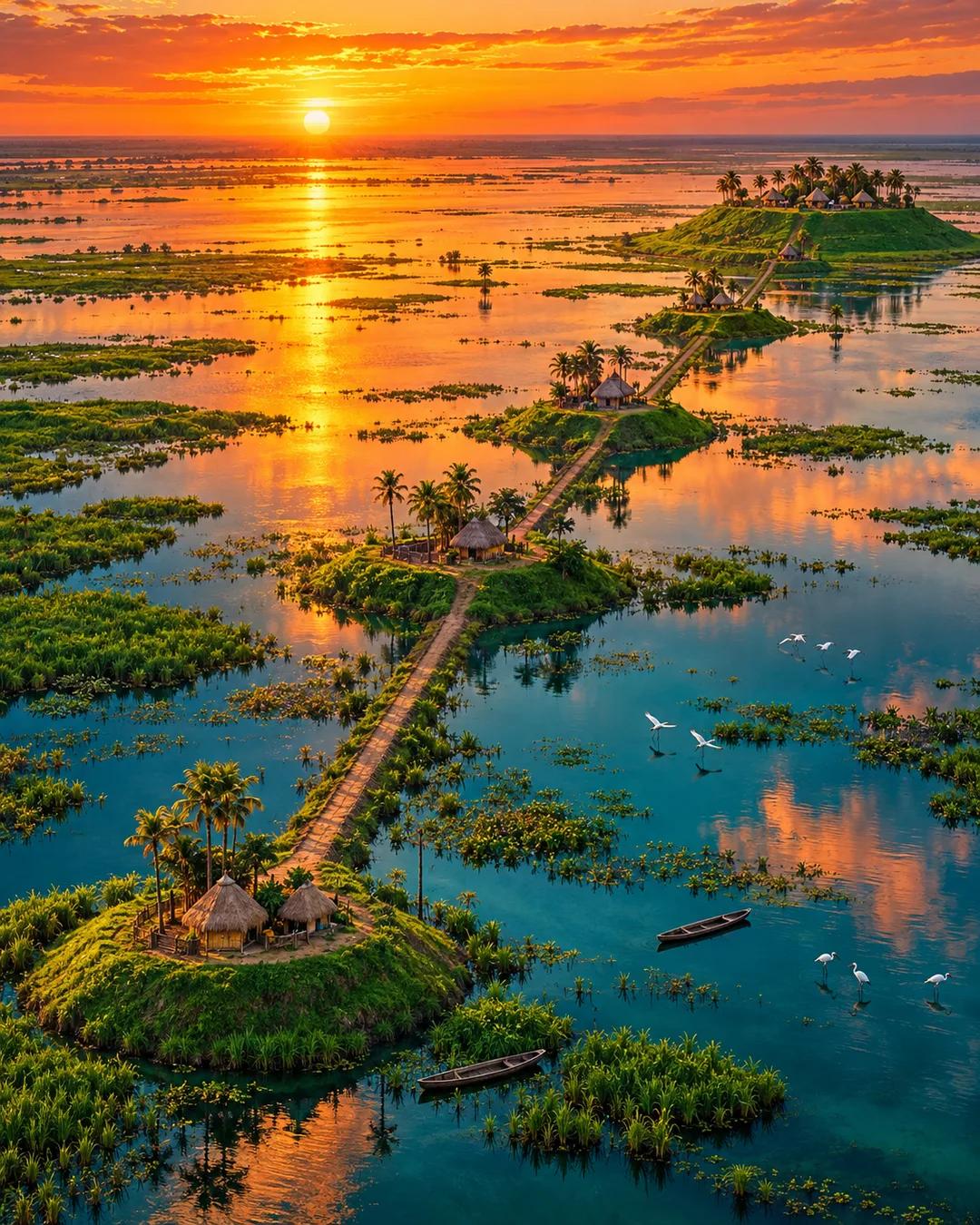
The thousands of geoglyphs found in the Amazon turn out to be enclosures around big communities. Each place handled its wetland environment differently. In Bolivia the huge communities built big mounds with raised causeways running out to smaller mounds and individual houses, basically roads over the wetlands, and then worked out how to farm those wetlands and turned them into an agricultural paradise.
Party to party
The system was still there when the Spanish arrived. A priest who came down a century later wrote in his journal that they had built a magnificent system of causeways, and all they used it for was getting from party to party. They did not use it for commerce or education. These people were always having celebrations.
The deep Amazon
Evidence so far rings the heart of the Amazon, where the water around Manaus rises 100 feet in an average year and trees and wildlife have adapted to it. A raised causeway might not have been enough there, or the heart is simply too deep for archaeologists to have reached yet.
How did people farm Bolivian wetlands?
In the Llanos de Mojos, people built raised fields, canals, and fish weirs on seasonally flooded plains. Archaeologist Clark Erickson documented raised fields and causeways across the region. The raised ground kept crops above floodwater, and canals held fish. Large earthen mounds served as places to live through the wet season.
How were the Amazon's geoglyphs found?
Forest clearing for cattle pasture in Acre, Brazil, exposed geometric earthworks of squares and circles dug into the ground. Pilots spotted some of them from the air in the 1970s. Later satellite imagery showed hundreds more. Many are ditches that enclosed plazas and villages.
Why does the Amazon rise so dramatically?
Seasonal rain and Andean snowmelt feed the river system, so the water pulses up and down every year. Near Manaus, the Rio Negro meets the Solimoes, and the combined river carries more water than any other on Earth. The Amazon basin delivers roughly one fifth of the freshwater that rivers carry to the oceans. Fish and trees in the flooded forest have adapted to months underwater.
More from Shawn Ryan Show