Korva is a scroll of the internet’s best ideas.
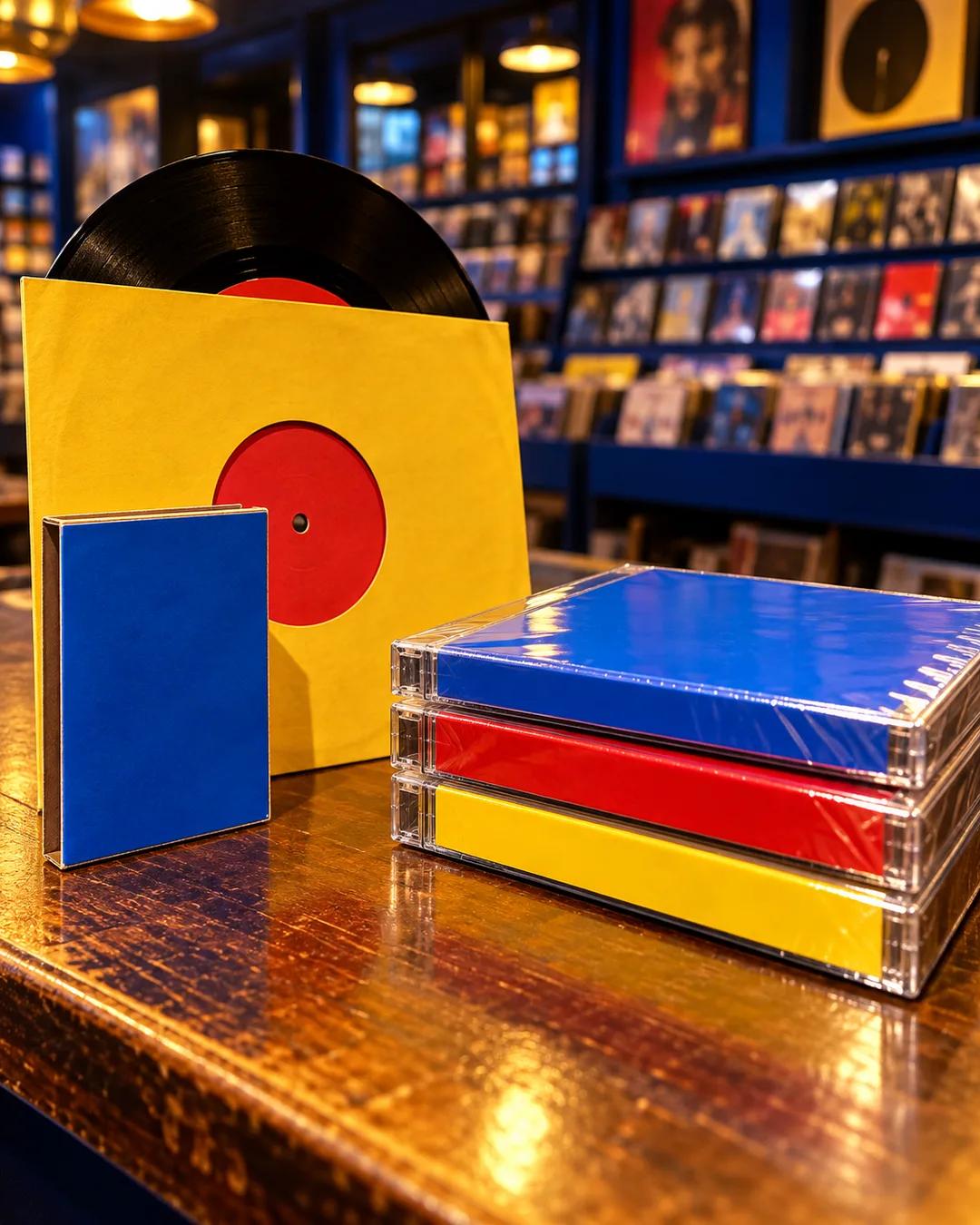
CDs sold on one single

From Singles to CDs
Before CDs, the music business sold singles on cassette or 45 for $3.99 or $4.99. The single was a cheaper way into an artist, and fans would eventually buy the album. When the CD came, they dropped the single. A listener who heard one hit and saw the video paid $16.99 without even knowing what songs two through six sounded like.
The Hidden Weakness
Executives were getting paid tons of money on that arrangement, many of them not talented, and mediocre work was applauded and financially rewarded because the business model carried it. The reasoning that no one noticed was that only one song had to work. Why would anyone pay $16.99 when they only liked the first single? Stoute expected the setup to cave in.
What Artists Did
Artists put their energy into that one song, the one that would work on MTV and radio. Some made a whole album with one or two producers, then went to a top producer only for the radio record, which could sound like nothing else on the album. Creativity suffered because fans were buying the album anyway.
How did labels keep singles off the charts?
Until December 1998, Billboard required a song to be on sale as a single to appear on the Hot 100. Labels often held back the single to push buyers toward the album, which kept songs off the chart despite heavy radio play. Billboard dropped the requirement in December 1998 so airplay alone could qualify.
Why did Napster break the album apart?
Napster launched in June 1999 and let users download individual songs for free, so a listener could take the one track they wanted. That removed the reason to buy the other tracks on a $16.99 CD. Court rulings forced the service offline in July 2001.
More from David Senra