Korva is a scroll of the internet’s best ideas.
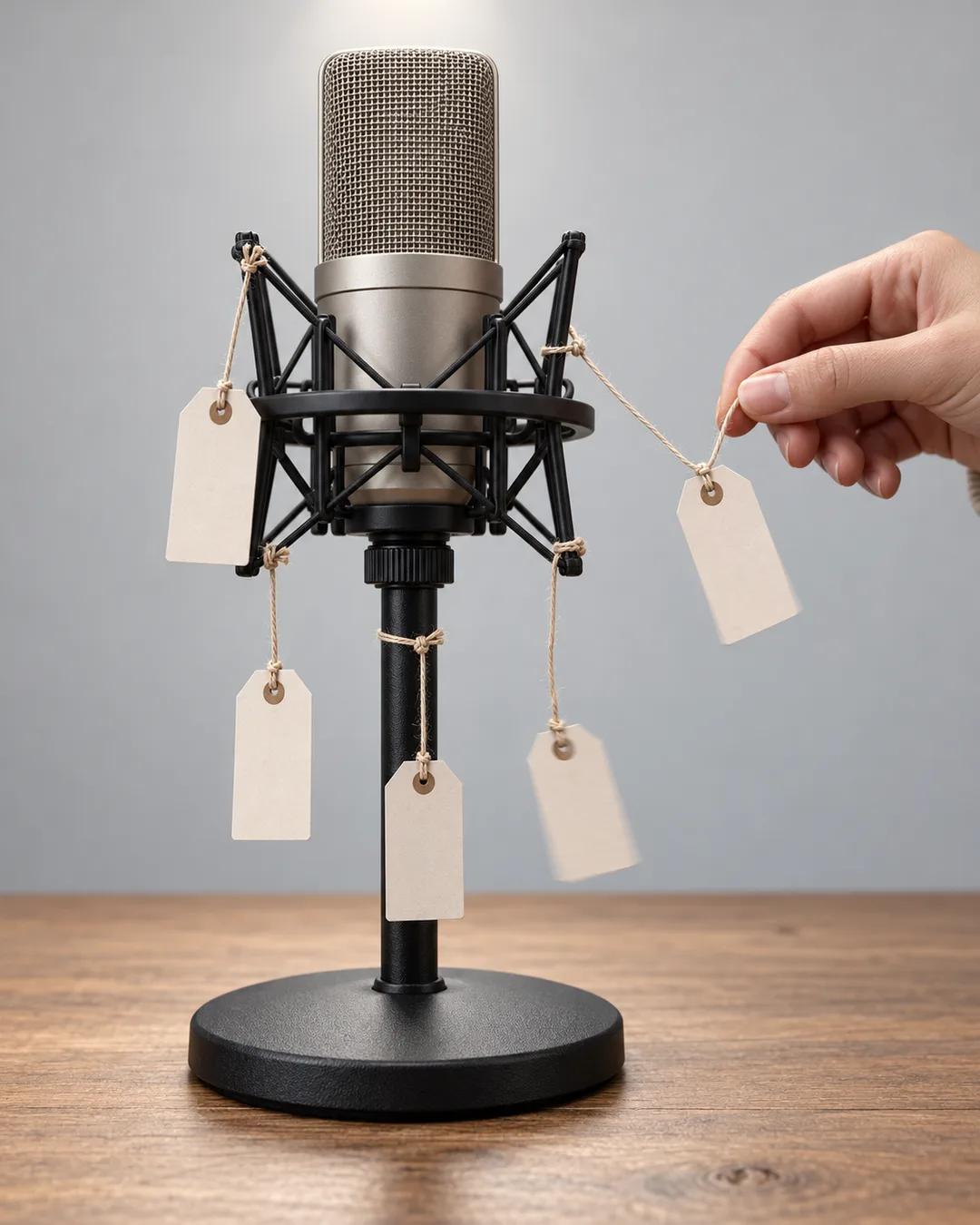
Chat ads should be priced in trust
Meta's auction idea
Meta's contribution to modern ad marketplaces was that the highest bidder does not simply win. The organic value of an advertiser to a user is factored into the bid, so reaching people who are harder to reach or less relevant costs more, and organic content and ads can compete in one unified auction with dollars as the common unit. The mechanism is a modified VCG, Vickrey-Clarke-Groves, auction, and it is close to a solved problem that OpenAI is speed-running.
Trust in chat
In a content feed the factor is how much a person likes an ad. In chat it is probably trust. Ask which mic to buy, and the system has to decide whether to give an objective answer, a set of answers, or answers shaped by advertisers who want to be in front of the user. How much those advertisers sway the answer should track how much trust is being traded off.
The tension in sponsored results
Trust maximization probably correlates with user retention, if it is not causal, and with advertiser value. Amazon search shows the tension: with 16 ads before the first real result, a person starts to wonder whether the sponsored experience is subtly influencing their trust in the system. What the ad format looks like in chat is still open, and chat could become voice.
How does a VCG auction price each bid?
In a Vickrey-Clarke-Groves auction, each winner pays the cost its presence imposes on the other bidders, which makes honest bidding the best strategy. The mechanism is named for William Vickrey in 1961, Edward Clarke in 1971, and Theodore Groves in 1973. Vickrey shared the 1996 Nobel Prize in economics for his work on auctions and incentives. Meta's published documentation says the winner of an ad auction is the ad with the highest total value, which combines the advertiser's bid, the estimated action rate, and ad quality.
Why must search ads be labeled as ads?
Paid search began in 1998 when Bill Gross's company GoTo.com sold ranked placement in results by the click. Google launched AdWords in 2000. In 2013 the United States Federal Trade Commission sent search engines updated guidance saying paid results should be clearly distinguishable from organic ones. Labels such as Sponsored and Ad grew out of that guidance.
More from Lenny's Podcast: Product | Growth | Career