Korva is a scroll of the internet’s best ideas.

Chatbot summaries hurt reading comprehension
The reading study
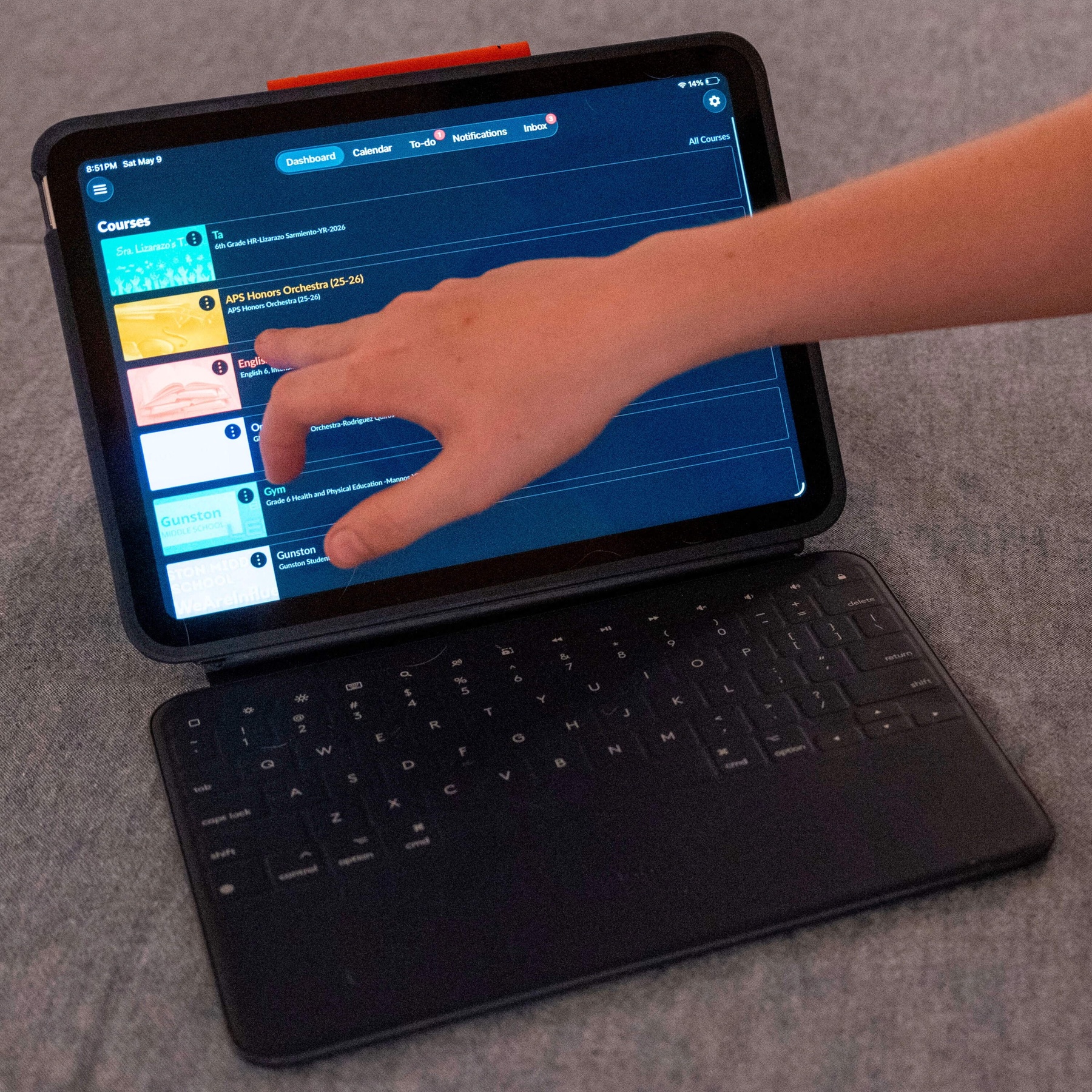
The study, funded by Microsoft and run with Cambridge University Press in the UK, randomly assigned students to use a chatbot or not while reading text passages. Those who had the chatbot summarize the reading understood and retained less than those who took notes on the passages by hand.
Adults and chatbots
A separate study with Microsoft and Carnegie Mellon looked at white-collar adults using chatbots. Offloading tasks like research and writing to the bots hindered the humans' critical thinking. The person's role shrinks to checking the accuracy of what the chatbot produced and smoothing out its writing, which turns them into a handmaiden of the chatbot.
Parents push back
Parents groups in New York and Los Angeles have pushed for a moratorium on AI in schools until there are safeguards and proof that AI helps learning, pointing to what happened with social media.
Why does writing notes beat reading a summary?
Psychologist Robert Bjork at UCLA coined the term desirable difficulties for learning conditions that feel harder but produce stronger long-term memory. Writing notes forces a student to decide what matters and put it in their own words. A ready-made summary skips that effort. The generation effect, described by Norman Slamecka and Peter Graf in 1978, found that information a person produces is remembered better than information they only read.
How does offloading thinking weaken memory?
A 2011 study in the journal Science by Betsy Sparrow, Jenny Liu, and Daniel Wegner found that people remembered less of the information they expected to look up later. They remembered where to find it instead. The researchers called this the Google effect on memory. The finding shows that memory adjusts to the tools within reach.
Why do parents point to social media here?
Social media spread among children before long-term research on its effects existed. In 2023 the U.S. Surgeon General issued an advisory saying there were ample indicators that social media can pose a risk of harm to children and adolescents. The advisory also noted that the evidence on benefits and harms was still developing. Parents' groups now cite that sequence when they ask for proof before AI enters classrooms.
More from Fresh Air