Korva is a scroll of the internet’s best ideas.

Cheap, first-time assassins
Taking the case
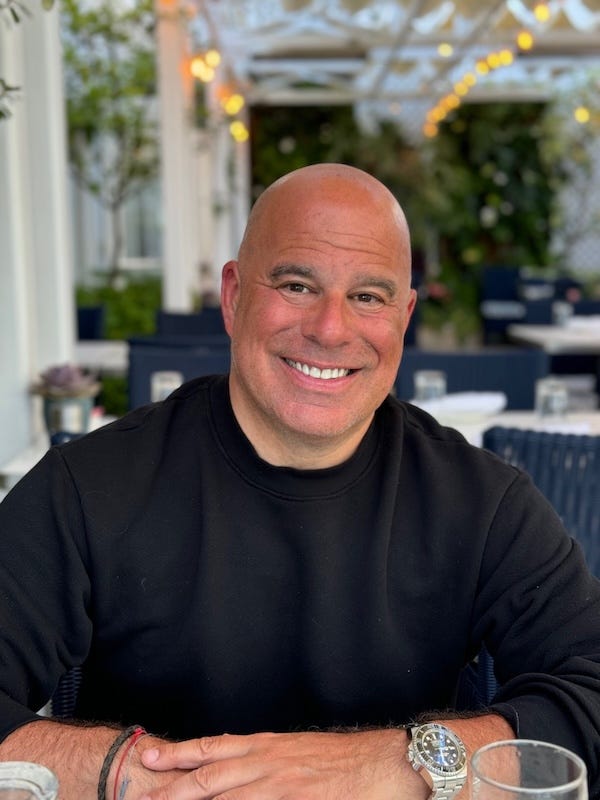
Dan Markell graduated from Harvard Law School and chose to become a constitutional and criminal law scholar instead of going into big law. He had two sons and an ex-wife. When he was shot in the driveway of his home, a friend called Orin Snyder, a New York trial lawyer who had never met him, and asked whether he could help the family. The answer came with no hesitation, and it turned into more than a decade of unpaid work for Dan's parents, Ruth and Phil, and his sister.
The convictions
Juries decided that the family of Dan's ex-wife, the Adelsons, had conspired to have him killed. The two hitmen flipped on the middleman, who was convicted and flipped on the ex-wife's brother, who was convicted. Most recently, the ex-wife's mother, Donna Adelson, was found guilty by a unanimous jury. The assassins were so cheap and so new to the work that Dan was shot in the head and lived for 20 hours.
The Markell Law
The lawyers supported the local investigation and advocated for additional federal resources to carry it through. The case also changed Florida law: Dan's sons were cut off from his parents almost as soon as he died, and the state now has a law, called the Markell Law, that gives grandparents rights in circumstances like these.
Why do prosecutors flip the lowest people first?
Hitmen are the ones with direct knowledge of the crime, and prosecutors can offer reduced charges or shorter sentences in exchange for sworn testimony. Each person who cooperates becomes a witness against the next link up the chain. That is the usual way conspiracies are prosecuted, because the people at the top rarely take part in the act itself. Courts allow juries to hear from cooperating witnesses as long as the deal is disclosed to them.
Why did grandparents lack rights over grandchildren?
American courts have treated a parent's right to direct a child's upbringing as a fundamental liberty. In Troxel v. Granville in 2000, the U.S. Supreme Court struck down, as applied to that case, a broad Washington State visitation law that let courts override a fit parent's decisions. After that ruling, states wrote narrower grandparent statutes, and the circumstances that qualify differ from state to state. The decision was 6 to 3 and came with a plurality opinion.
How can someone be convicted without pulling the trigger?
Conspiracy law treats an agreement to commit a crime, plus an act taken toward it, as an offense by itself. Under that rule, every person who joined the plan can be held responsible, whether or not they were present. Prosecutors usually prove the agreement through testimony, messages, payments, and phone records. In Pinkerton v. United States in 1946, the Supreme Court held that a conspirator can be liable for crimes a partner commits in furthering the plan.
More from Original Jurisdiction