Korva is a scroll of the internet’s best ideas.
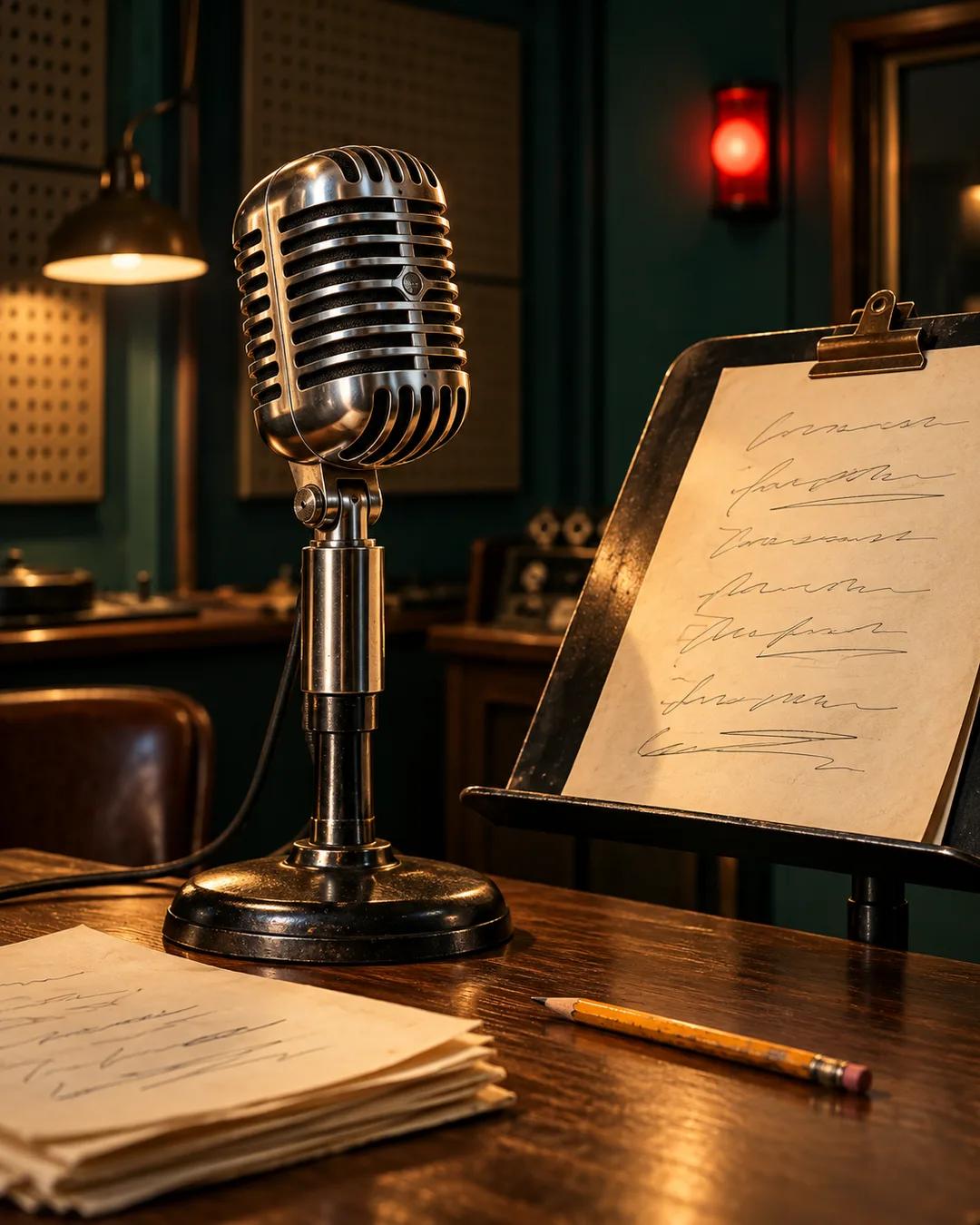
Radio's first heroin-addict character
Orin Snyder's mother studied tap dance, acting, and mime after striking out for Manhattan, and by 17 she held parts in the leading radio soap operas of the day, including shows called 21st Precinct and Nora Drake. Before television, radio soap opera was the appointment evening entertainment.
Her characters were controversial. She played the first character on radio to be a heroin addict and the first to have an abortion.
She brought home $289 a week, which was sometimes more than her father made in a year.
Why were radio dramas called soap operas?
Soap makers such as Procter & Gamble and Colgate-Palmolive sponsored many of the first daytime serials in the 1930s. Those sponsors wanted to reach homemakers, who bought household products. Opera was added as a mocking nod to the melodrama of the plots. Reporters of the era began calling the genre soap opera because of those sponsors.
How did live radio drama create its sound effects?
Sound effects artists worked in the studio beside the actors, producing noise in real time as the script called for it. Coconut shell halves struck on a hard surface made horse hooves, and crumpled cellophane made the crackle of fire. Cornstarch squeezed in a pouch squeaked like footsteps on snow. Radio studios kept whole racks of doors, bells, and gravel boxes for these jobs.
What happened to radio soaps when television arrived?
Many of the biggest serials moved to television in the 1950s, and listeners followed them. Guiding Light began on radio in 1937 and ran on television until 2009. Network radio drama faded as advertising money shifted to the new medium. The last network radio soap operas ended in 1960.
More from Original Jurisdiction