Korva is a scroll of the internet’s best ideas.
Childhood play shows what fulfills you
Childhood clues
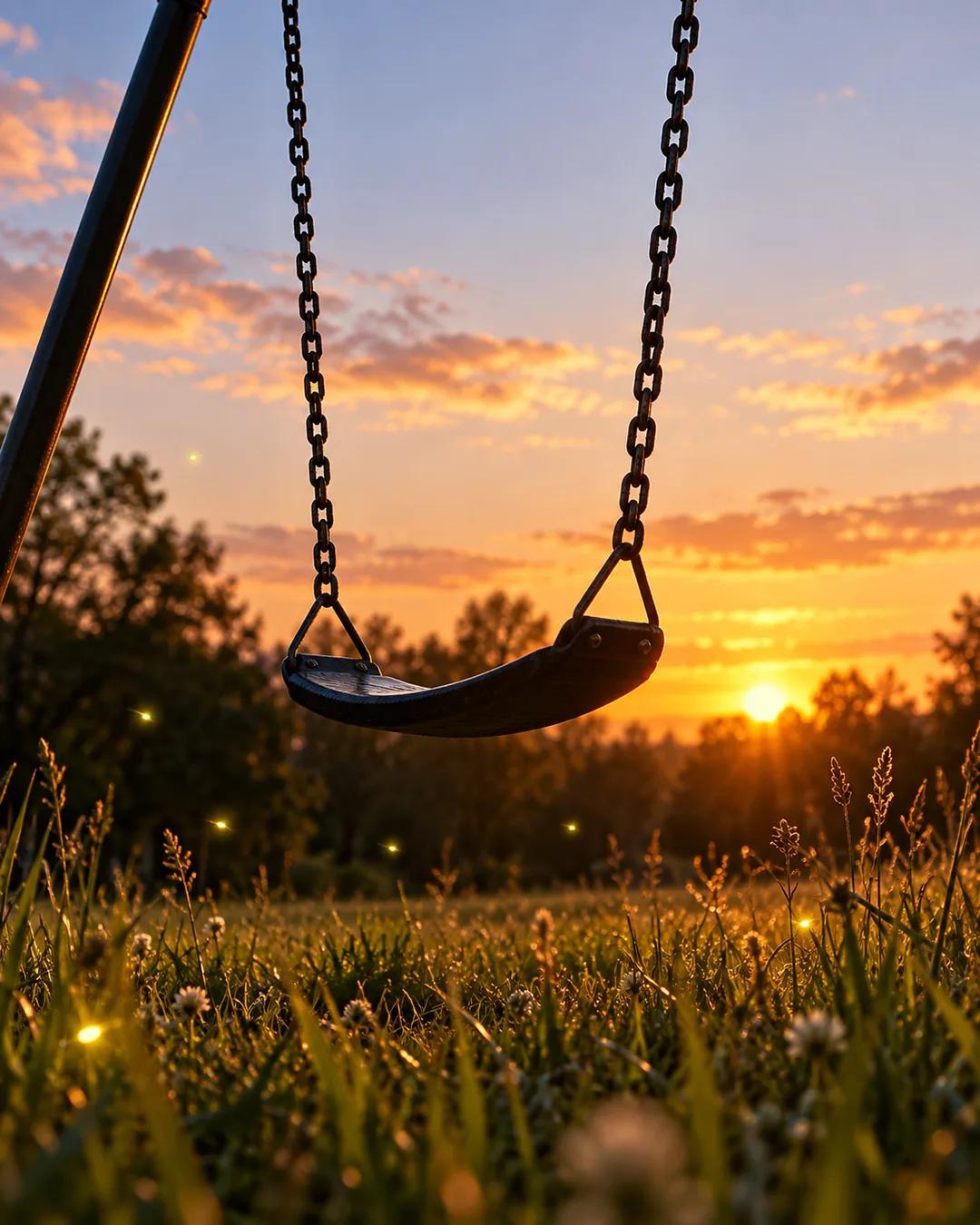
Legos, finger painting, catching fireflies, or seeing how far a swing could launch a body are all starting points. The next question is why that play was loved: telling stories, moving the body, competing, making people laugh, or building things. Each of those has an adult version, and physical play is especially worth adding.
The play history quiz
A quiz built on thousands of personal play histories, collected by psychologist Stuart Brown and the National Institute for Play, can map a play style. Brown studied play for decades and came to a second route: recall a moment, circumstance, or situation that allowed a person to feel like themselves, whether at four years old or forty.
A small answer
The answer can be small. One person who felt free on the swing set and while singing or dancing now does those things whenever possible, even if that only means singing in the car.
Why do researchers study play in rats?
Neuroscientist Jaak Panksepp, who worked at Bowling Green State University, found that young rats make ultrasonic chirps when they are tickled or chase each other. Studies in rats, including work from his lab, found that animals deprived of play showed social difficulties later. He argued that play is a basic drive in mammals with its own circuitry in the brain. He described the 50 kilohertz chirps as a form of rat laughter.
Why do swings feel so thrilling?
Swinging stimulates the vestibular system, the set of organs in the inner ear that senses motion and head position. At the top of each arc, the body briefly feels close to weightless before gravity pulls it back down. Otolith organs in the inner ear detect that change in acceleration. The vestibular system begins working before birth.
How do fireflies make their light?
Fireflies make light through a chemical reaction inside specialized cells in their lanterns. An enzyme called luciferase helps a compound called luciferin react with oxygen, which releases a flash. Nearly all of the energy comes out as light and very little as heat, which is why the glow is called cold light. Each species flashes in its own pattern, which the insects use to find each other.
More from Life Kit