Korva is a scroll of the internet’s best ideas.
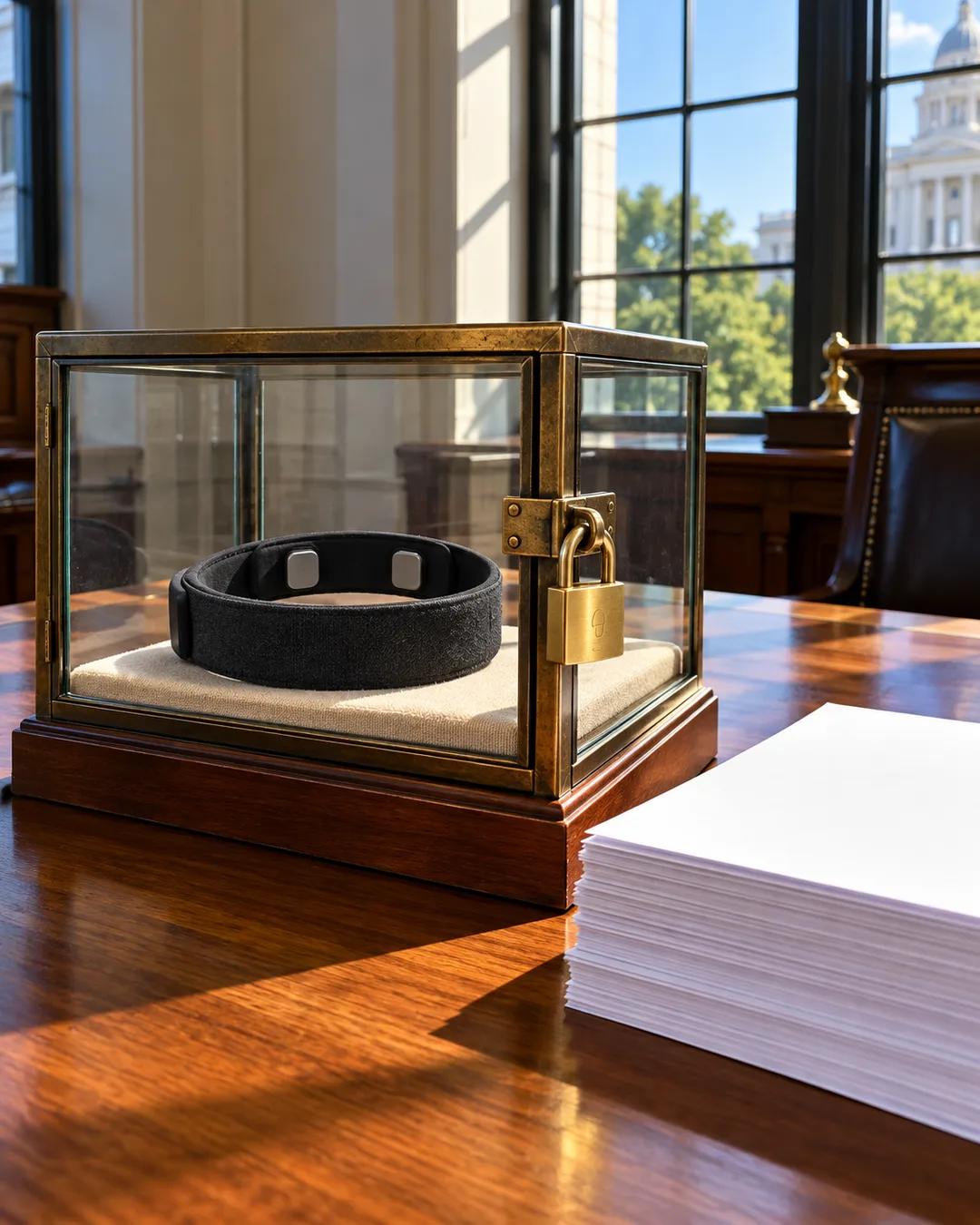
Chile protects brain data by law

Other countries are following with laws aimed at the workplace. France and Germany are drafting laws that ban mandatory neurotech in employment contracts, out of concern that the technology could be used to surveil employees: reading attention, focus, and fatigue, or what a worker thinks about their employer.
The concern grows with hardware. Today the sensors are heavy and live in scanners the size of a room. If they shrink to a small sensor on a pair of smart glasses, a company could gain access to neural data through a device people already wear.
Regulators are moving quickly on this, though the technology is not arriving tomorrow.
Why do brain signals need special legal status?
Brain activity can reveal states a person has not chosen to share, such as attention, fatigue, or emotional reaction. Unlike a password, a person cannot change their neural patterns if they leak. Neuroscientist Rafael Yuste and colleagues at Columbia's Neurorights Foundation argued from around 2017 that mental privacy needs its own protection. Their proposals shaped the Chilean legislation.
How did Chile put brain data into law?
In 2021 Chile amended its constitution to say that scientific and technological development must respect mental integrity and brain activity. The amendment passed the country's Congress and became part of the constitutional text. In 2023 the Chilean Supreme Court ruled in a case about a neurotechnology company's device and ordered that the company delete a user's brain data. It was widely noted as the first ruling of its kind.
What do consumer neurotech devices already record?
Consumer headbands and earbuds that use electroencephalography, or EEG, record electrical activity from the scalp. They are sold for sleep tracking, meditation, and focus training. EEG captures broad patterns such as alertness and relaxation rather than specific thoughts. A 2024 report from the Neurorights Foundation reviewed the privacy policies of many such products and found most gave the company broad rights over the data.
More from Lightspeed Venture Partners