Korva is a scroll of the internet’s best ideas.
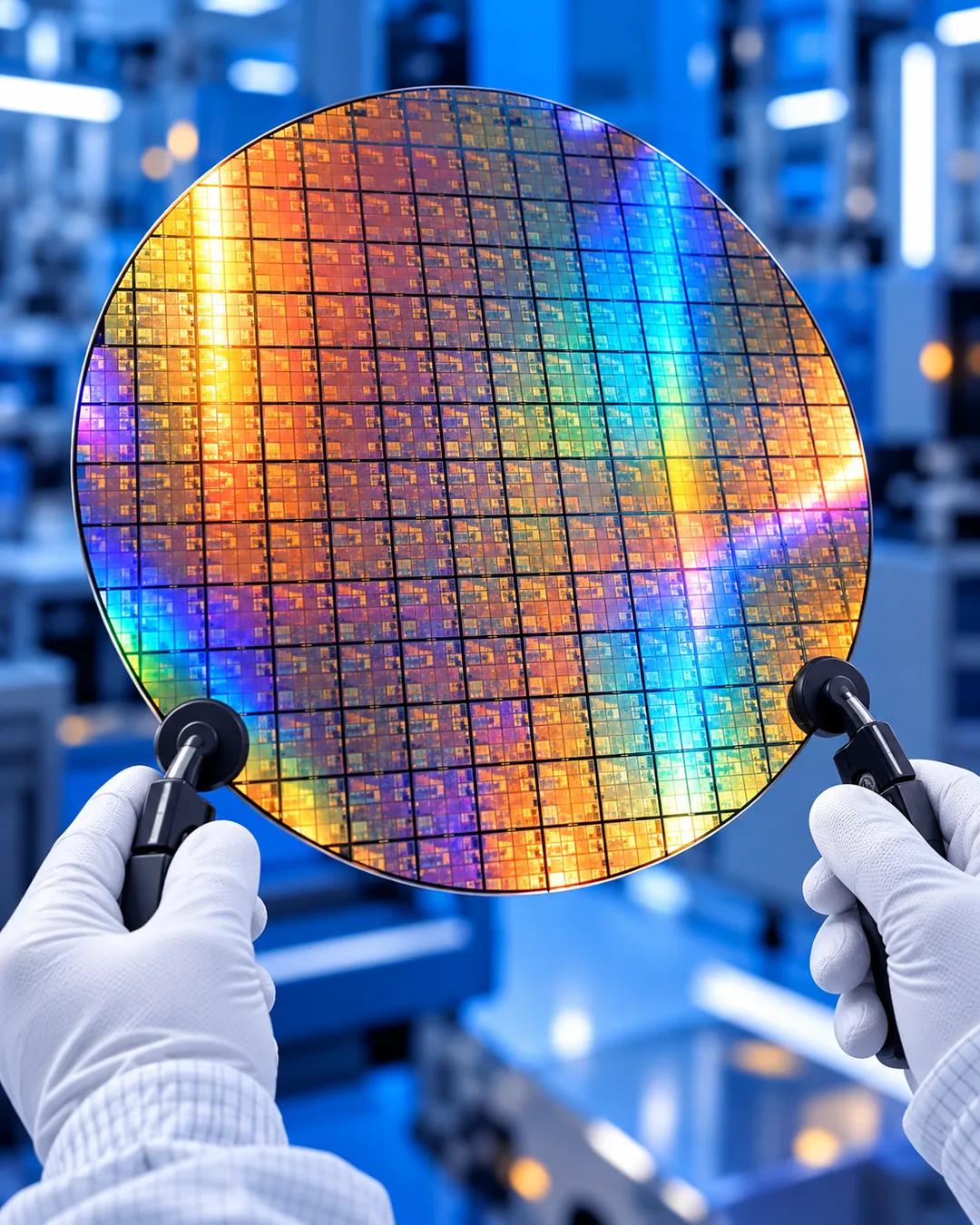
Chip startups were a terrible business

A Bad Bet
Returns in the category were bad, and anyone who asked around back then heard the same verdict. A partner named Bella at the venture firm Conviction started looking at a bunch of chip companies anyway, and the demand was obviously there.
What Changed
The market is different now. Demand for accelerators is consolidated and at scale, and the big buyers want supply chain independence too, because they can't all be stuck on one line at TSMC. That is very valuable for these companies, and it changes their risk equation.
The Market Test
The same question comes up in every unfamiliar category: is the market friendly to a venture-backed company at all, and is the distribution of outcomes worth betting on? Space is an unfriendly market for venture-backed companies, and whether a bet there is possible stays an open question. The question applies to solar, batteries, nuclear, turbine manufacturing, robotics, and biology, and none of them look like the software markets of ten years ago.
Why were chip startups such a poor bet?
Designing an advanced chip means paying for years of engineering before any revenue arrives. Producing the first working batch, called a tape-out, can cost tens of millions of dollars at the most advanced manufacturing nodes. A startup also faces incumbents like Nvidia and Intel, which have software tools and customer relationships built over decades. Hardware timelines of several years per product were a poor fit for funds used to software speed.
Why does TSMC dominate the chip supply?
TSMC, based in Taiwan, makes the large majority of the world's most advanced chips, including most designed by Nvidia, Apple, and AMD. Building a leading-edge fab costs tens of billions of dollars, so few companies can compete. Customers book production capacity far in advance, and a shortage at one company means delays for everyone in the queue. The concentration is why the United States passed the CHIPS and Science Act in 2022 to fund new fabs.
Why do venture funds favor software over hardware?
A software product can be copied at almost no cost, so a small team can reach millions of users with little capital. Hardware requires factories, inventory, and shipping for every additional unit. Software can also be updated overnight, while fixing a flawed chip means paying for a new manufacturing run. The venture model depends on a few investments returning many times their cost, and software supplied most of those for decades.
More from Invest Like the Best with Patrick O'Shaughnessy