Korva is a scroll of the internet’s best ideas.
Chobani's founder is Turkish

A factory and a recipe
He took over an abandoned dairy factory in upstate New York. When he was deciding what kind of yogurt to make, he went with the strained style from his childhood.
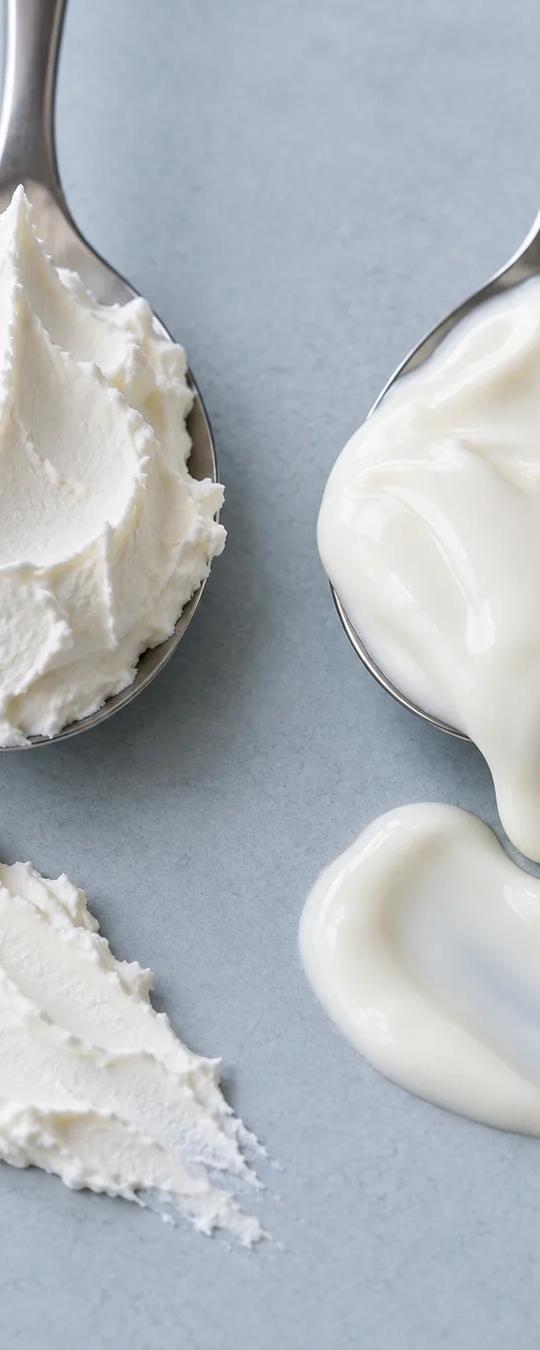
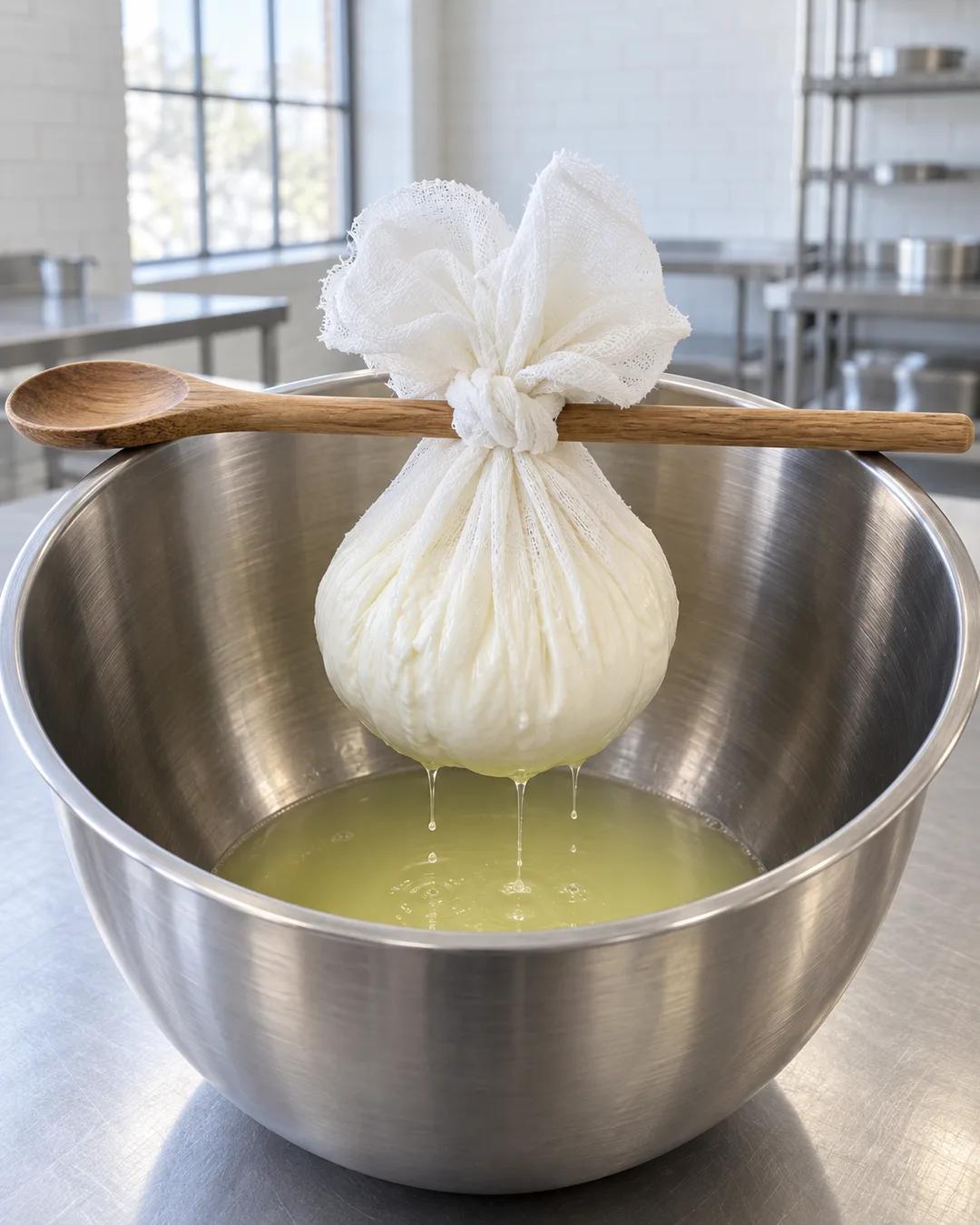
Straining removes some of the liquid whey to make yogurt thicker. Fage, a Greek brand imported from Greece, had reached American shelves in 1998 with its strained yogurt, and when the Chobani founder looked around, strained yogurt was already being marketed as Greek because of Fage. So he marketed his yogurt as Greek, too.
How Greek took over
Strained yogurt is found in a lot of places besides Greece, including Turkey, Iran, and even Bulgaria, and not every yogurt in Greece is strained. American shoppers had already tied the two together.
Chobani hit the market in 2005, when Greek yogurt was less than 1% of all yogurt sales in America. Today it is more than half.
How does straining thicken yogurt?
Draining the yogurt through cloth or a centrifuge removes whey, which is mostly water along with lactose, minerals, and some whey proteins. What stays behind is the casein protein and the fat, now packed into far less liquid. Making a cup of strained yogurt takes roughly three to four cups of milk. The thick result is why it holds a spoon upright.
Why did Greek yogurt create a whey problem?
Straining leaves behind large volumes of acid whey, the thin liquid that drains off. Acid whey is too acidic to spread freely on fields, and it has a high biochemical oxygen demand, meaning it can strip oxygen from streams and kill fish if it escapes. Producers have turned it into animal feed and into biogas through anaerobic digesters.
Why is strained yogurt found in so many regions?
Draining whey lowers the moisture in yogurt, which slows spoilage in hot climates without refrigeration. Turkey has its süzme yoğurt, and the Levant has labneh, a strained yogurt often rolled into balls and stored under olive oil. Iceland's skyr belongs to the same family.
More from The Sporkful