Korva is a scroll of the internet’s best ideas.
Thick yogurt is not creamy yogurt

Thickness and fat
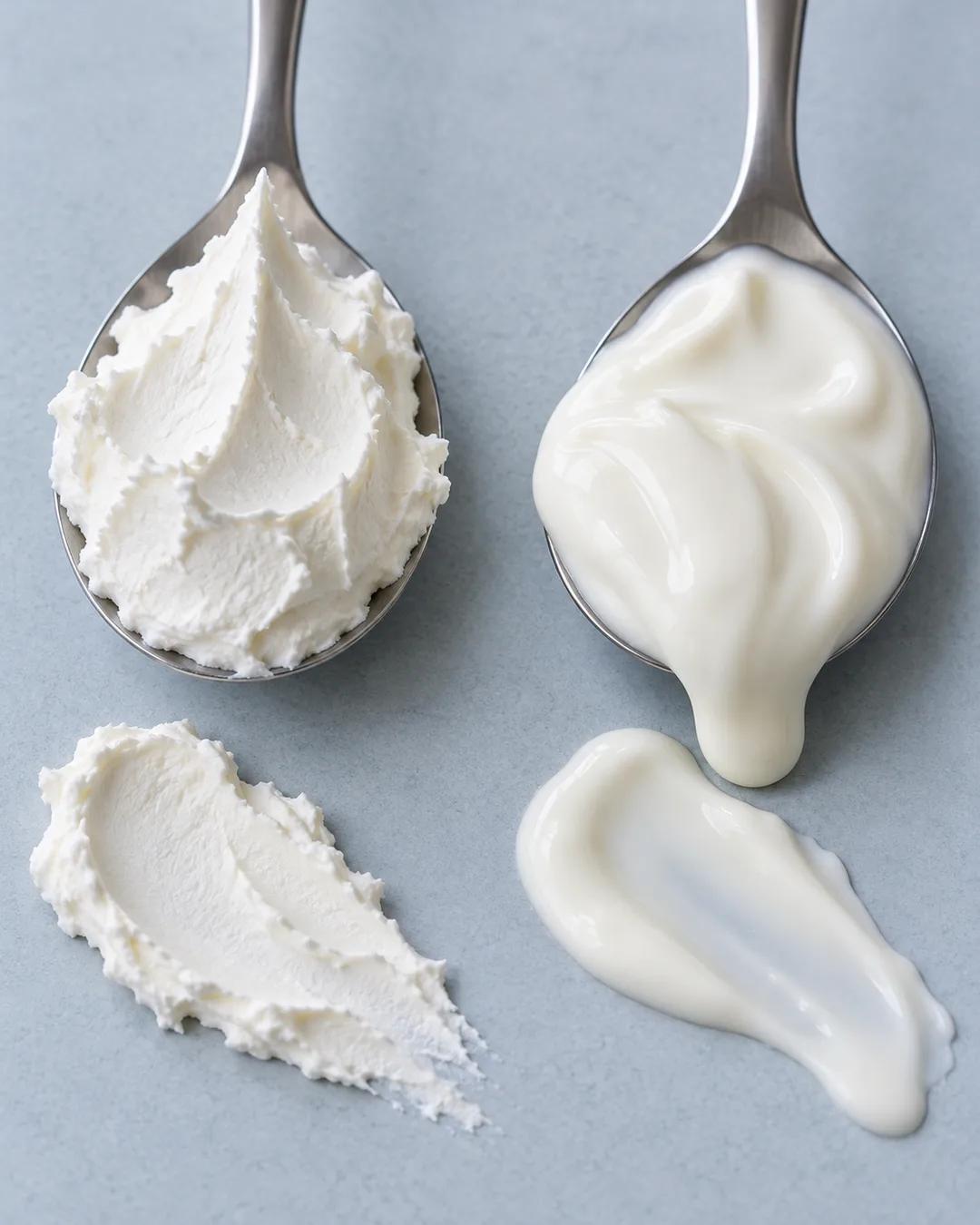
Yogurt with less liquid is thick enough to hold its shape on a spoon. Fat makes yogurt creamy, which is about a smooth, silky texture and mouthfeel. The two can come apart completely.
Greek yogurt is strained, with some of the liquid whey removed, so it is thick and has a dense, paste-like texture. Made with skim milk, it has all the thickness without any creaminess, because there is no fat.
A Bulgarian yogurt like the one Atanas Valev makes goes the other way: creamy, but not thick. It is delicate and a little wobbly, somewhere between a solid and a liquid.
How straining works
Straining is how thick yogurt gets that way, and it is not limited to Greek yogurt. Icelandic skyr is strained too, and removing the liquid fraction of the whey protein makes the yogurt denser. Strained yogurt ends up more like a dessert, like a cheesecake kinda thing.
Why does fat make yogurt feel creamy?
Fat droplets from the milk coat the tongue and soften the graininess of the protein particles, which registers as silky. In the United States, whole milk must contain at least 3.25 percent milk fat. Skim milk has under half a percent.
How does milk set into a gel?
As bacteria make lactic acid, the milk's acidity rises until the casein proteins lose their electrical charge, which normally keeps them apart. Casein begins to clump at a pH of about 4.6. The clumps link into a network that traps water and fat, and that network is the gel.
Why do some call skyr a kind of cheese?
Traditional skyr is made from skim milk with a small amount of rennet added alongside the cultures, then strained. That mix of methods puts it close to a fresh cheese, even though Icelanders eat it like yogurt. Skyr appears in medieval Icelandic sagas, including Egil's Saga.
More from The Sporkful