Korva is a scroll of the internet’s best ideas.

Coleman opposed the busing courts ordered
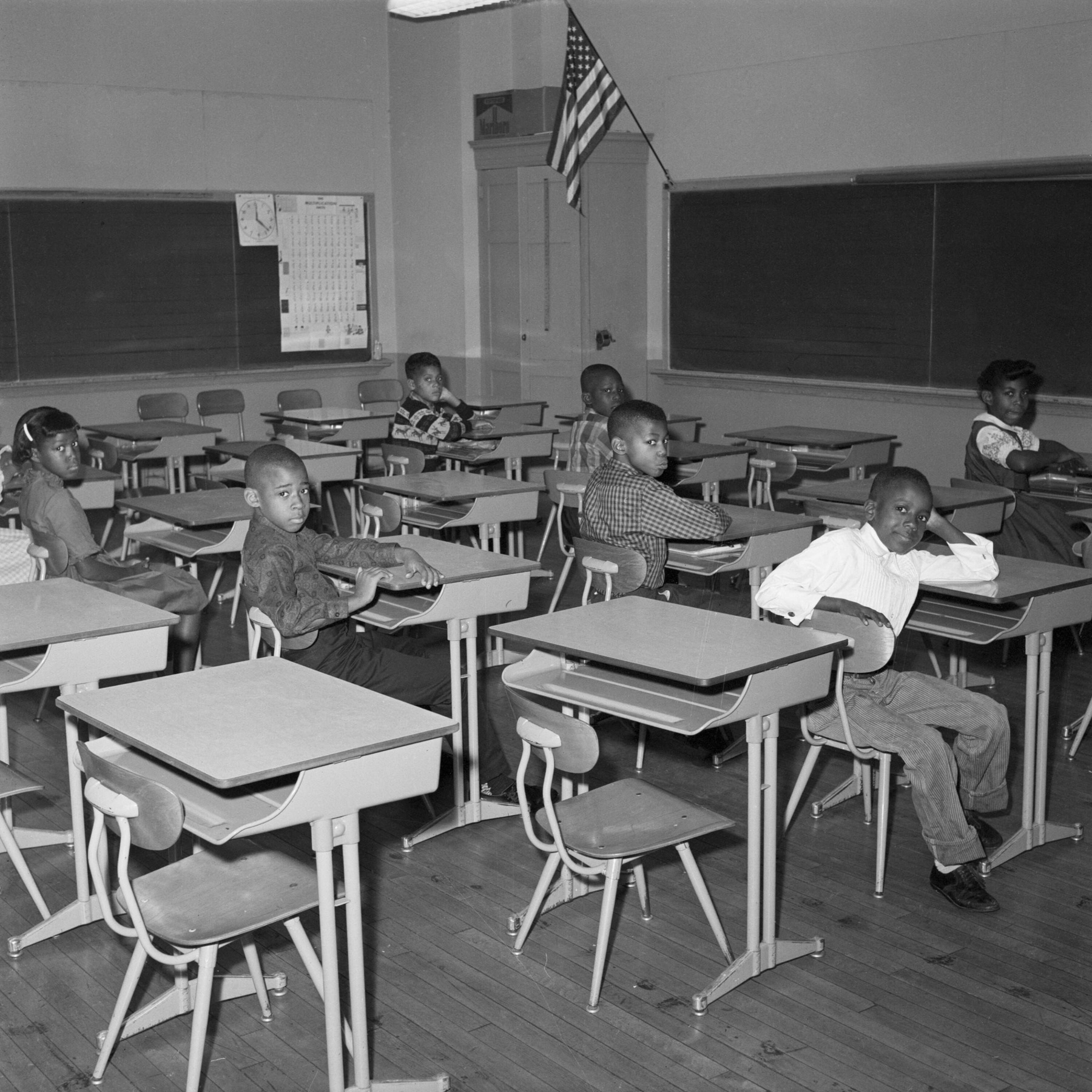
The busing ruling
The Supreme Court ruled in 1971 that busing was a constitutional remedy for racial desegregation, and kids started riding buses to new schools, sometimes far from where they lived. Coleman believed in integration, yet he began voicing concern almost immediately and wrote op-eds and editorials against busing. He feared it would produce even more segregation, and white flight followed.
The follow-up study
He went back to collecting data. In 1975 he published a follow-up study making the case against busing and was called to testify before Congress. His hope was for an alternative to full-scale racial balance through compulsory busing, one that would increase rights for Black families instead of restricting the rights of both Black and white families.
The backlash
The position was unpopular, and an effort began to expel him from the American Sociological Association. When Public and Private Schools came out, critics called his research superficial and misleading, and one called it bumper sticker sociology. Robert Crane of the RAND Corporation went further and said Coleman had set out to advance the cause of private schools.
What did Coleman's 1975 busing study find?
Coleman, with Sara Kelly and John Moore at the Urban Institute, reported in 1975 that white enrollment in big city districts fell faster in years after court-ordered desegregation plans. Other scholars, including Gary Orfield, disputed the conclusion and argued that population shifts to the suburbs had begun well before the plans. The disagreement turned the term white flight into a central question in desegregation research.
How did the Supreme Court come to approve busing?
The 1971 case was Swann v. Charlotte-Mecklenburg Board of Education, from North Carolina. The Court unanimously held that district judges could order busing as one remedy for schools that had been segregated by law. Chief Justice Warren Burger wrote the opinion.
How did the Supreme Court later limit busing?
In Milliken v. Bradley in 1974, the Court ruled 5 to 4 that federal judges could not order students bused across district lines in the Detroit area without evidence that the suburban districts themselves had caused the segregation. The decision left most suburban districts outside desegregation plans. City districts like Detroit, with large Black enrollments, were left to desegregate among themselves.
More from Throughline