Korva is a scroll of the internet’s best ideas.

Correlation can't tell you the fix
A snapshot, not an experiment
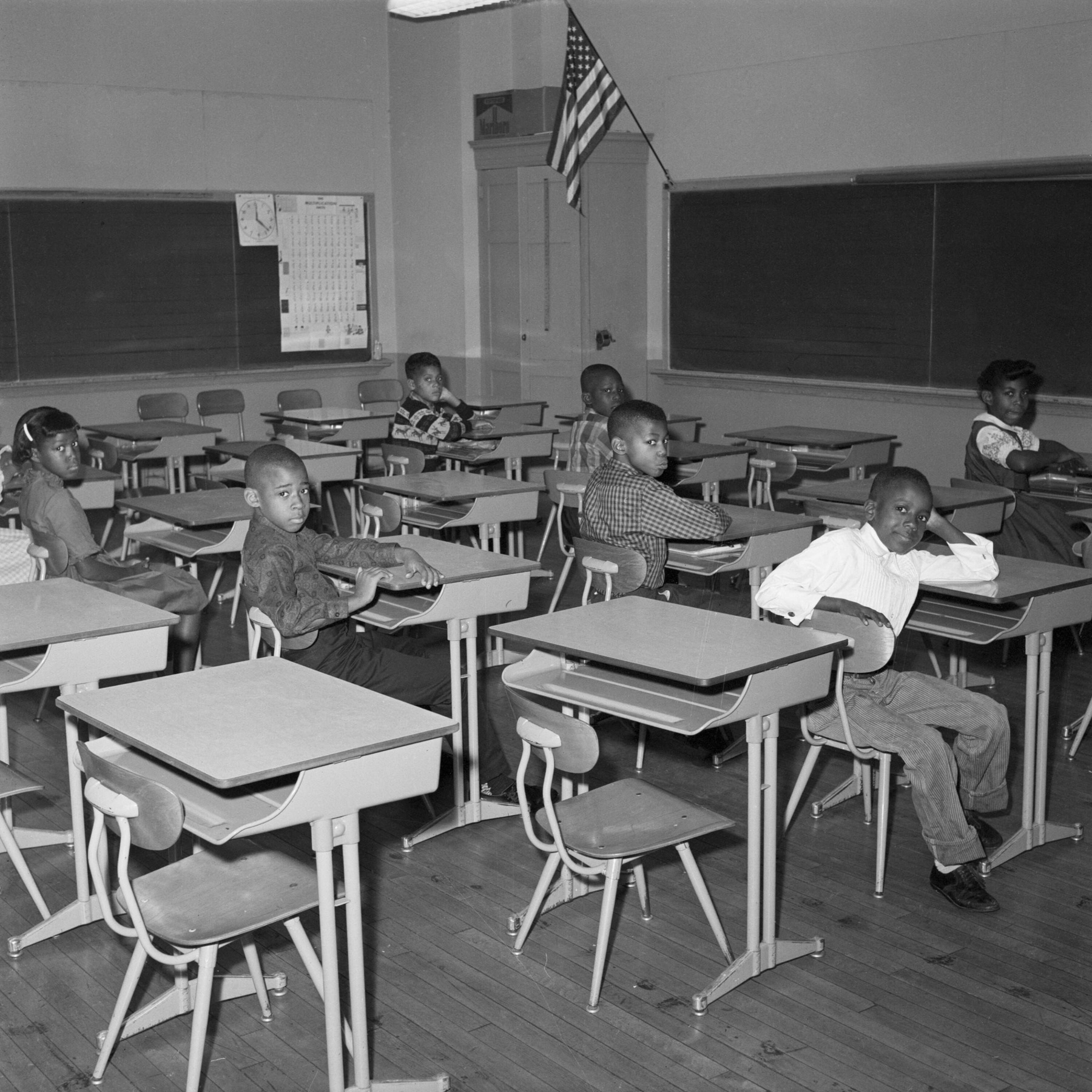
Coleman's data was a snapshot of American schools, not an experiment that could prove cause and effect. It came without a roadmap that tells you where to go. For decades, people believed they knew the answers to questions that correlational studies cannot answer.
Reading what you want
The report was read as whatever each reader wanted to find. Conservatives took it to mean that money does not matter, an interpretation people who wanted lower taxes used to argue against sending federal money to schools, though that was not what Coleman found. Others argued the report was damaging because it ignored the confidence a Black child might feel in a largely Black classroom with a Black teacher, and that it was disparaging, since Black children don't need white children to learn. Some questioned its validity altogether.
Decades of doubt
Misreadings of the evidence and the limits of the research design fed a skepticism and a pessimism that lasted several decades.
How do researchers test cause rather than correlation?
Randomized experiments assign people by chance, so groups differ only in the thing being tested. Tennessee's Project STAR, run from 1985 to 1989, randomly placed kindergartners and their teachers into small or regular-sized classes. Students in small classes scored higher, with the largest gains among Black students and students in inner-city schools. The state later used the results in debates over class size policy.
Why did experts split on whether money matters?
In 1986, economist Eric Hanushek reviewed dozens of studies and concluded there was no consistent relationship between school spending and student achievement. In 1994, Larry Hedges, Richard Laine, and Rob Greenwald reanalyzed many of the same studies using a different statistical method and found that spending did show a positive relationship. Both groups worked from correlational data, where spending, family income, and neighborhood move together.
How did later research connect spending to outcomes?
Economists Kirabo Jackson, Rucker Johnson, and Claudia Persico studied children born between 1955 and 1985 and followed them into adulthood. Their 2016 paper in the Quarterly Journal of Economics used court-ordered school finance reforms, which changed spending for reasons unrelated to individual families. They found that a 10 percent increase in per-pupil spending sustained over all twelve school years was linked to about 7 percent higher adult wages.
More from Throughline