Korva is a scroll of the internet’s best ideas.
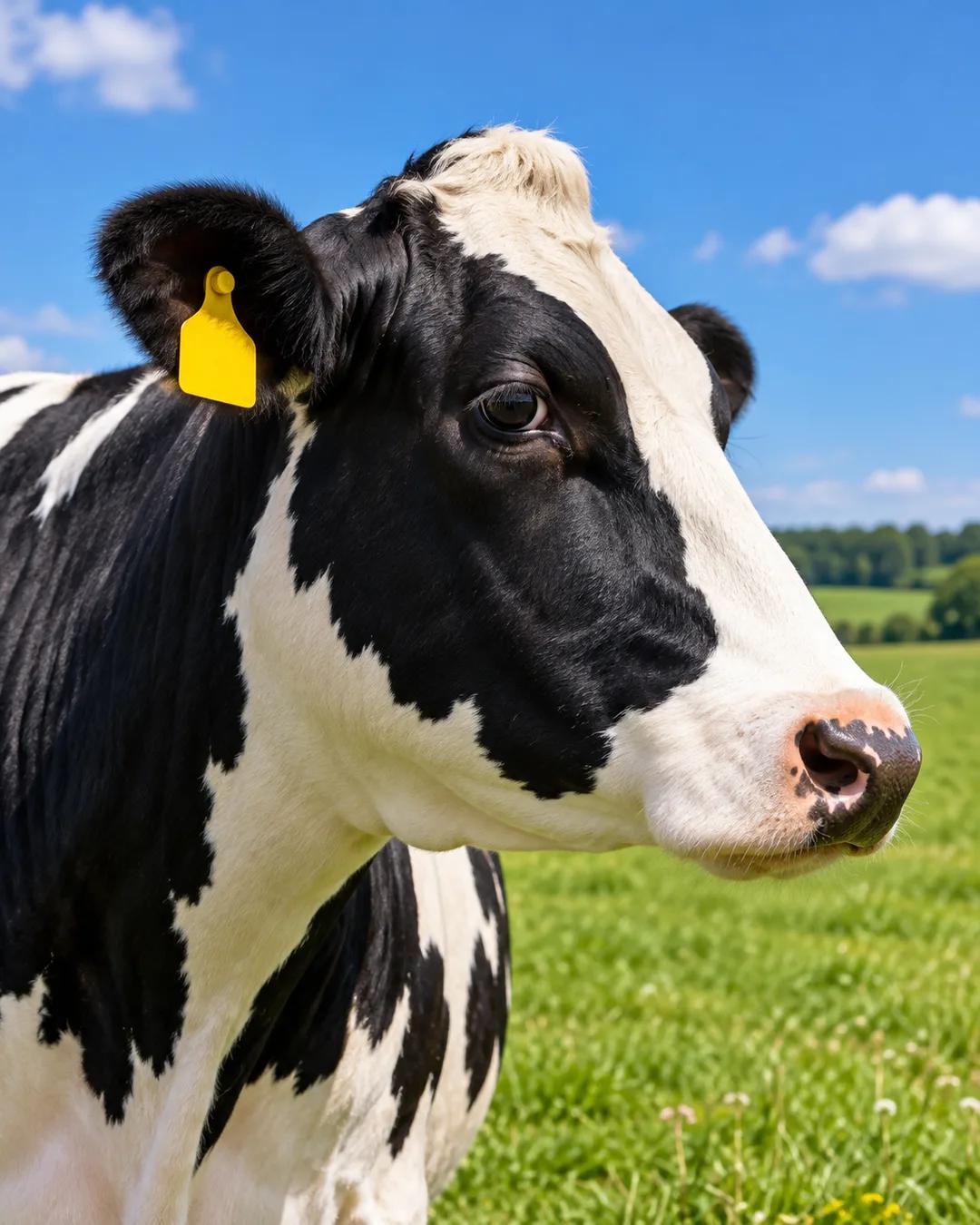

How cows came first
Fred Turner got into it by accident as a first-year college student in the north of England. After he won the UK National Science Engineering Competition and appeared on TV a little, a farmer who was sending cow samples to the Netherlands, where results took weeks, contacted him. He told the farmer he wasn't interested in cows, but the farmer kept pressing and mailed samples with a check, and soon the farmer's friends were sending samples too.
The company moved from beef to dairy, predicting how much milk animals would make. Venture money in the UK never came, so a trip to an investing conference in San Francisco led to Y Combinator, with an application deadline six days away. He moved to Silicon Valley for the summer 2016 batch and raised a seed round of $1.65 million right out of YC.
The market-size problem
The Series A is where the math broke. The US has about 100 million cows and a test sells for $15 to $20, so even testing every cow every year would be a $1.5 billion market, too small for a Series A. The team took its DNA testing technology into human diagnostics, where people pay more and the markets are larger, starting with a high-throughput STD testing lab and an at-home STD test.
Growing antibiotic resistance in STDs made that area interesting. DNA testing can predict the best drug early, so a patient can be treated with it and the most aggressive antibiotics go unused.
How does DNA testing help breed cows?
Genomic selection, introduced in US dairy cattle around 2009, uses thousands of DNA markers to estimate an animal's genetic merit. Breeders can then predict traits like milk yield from a calf's DNA instead of waiting years to see its daughters' records. The USDA and dairy genetics groups adopted it quickly. It shortened the time needed to pick promising breeding animals.
How can DNA predict which antibiotic works?
Bacteria become resistant through specific genetic changes, and many of them are known. In gonorrhea, for instance, mutations in the gyrA gene are linked to resistance to the antibiotic ciprofloxacin. Sequencing a sample can reveal such mutations within hours, while a lab culture takes days. The result tells clinicians which drugs are unlikely to work.
Why does a small market block a Series A?
Venture funds depend on a few companies returning many times the money invested, so they look for markets large enough to support very big companies. A market of $1.5 billion a year can sustain a good business, but it caps the revenue a single company can reasonably capture. Investors at Series A weigh that ceiling against the funding they are being asked to provide. Companies often expand into adjacent markets to raise the ceiling.
More from 20VC with Harry Stebbings