Korva is a scroll of the internet’s best ideas.

Crowds create shared euphoria
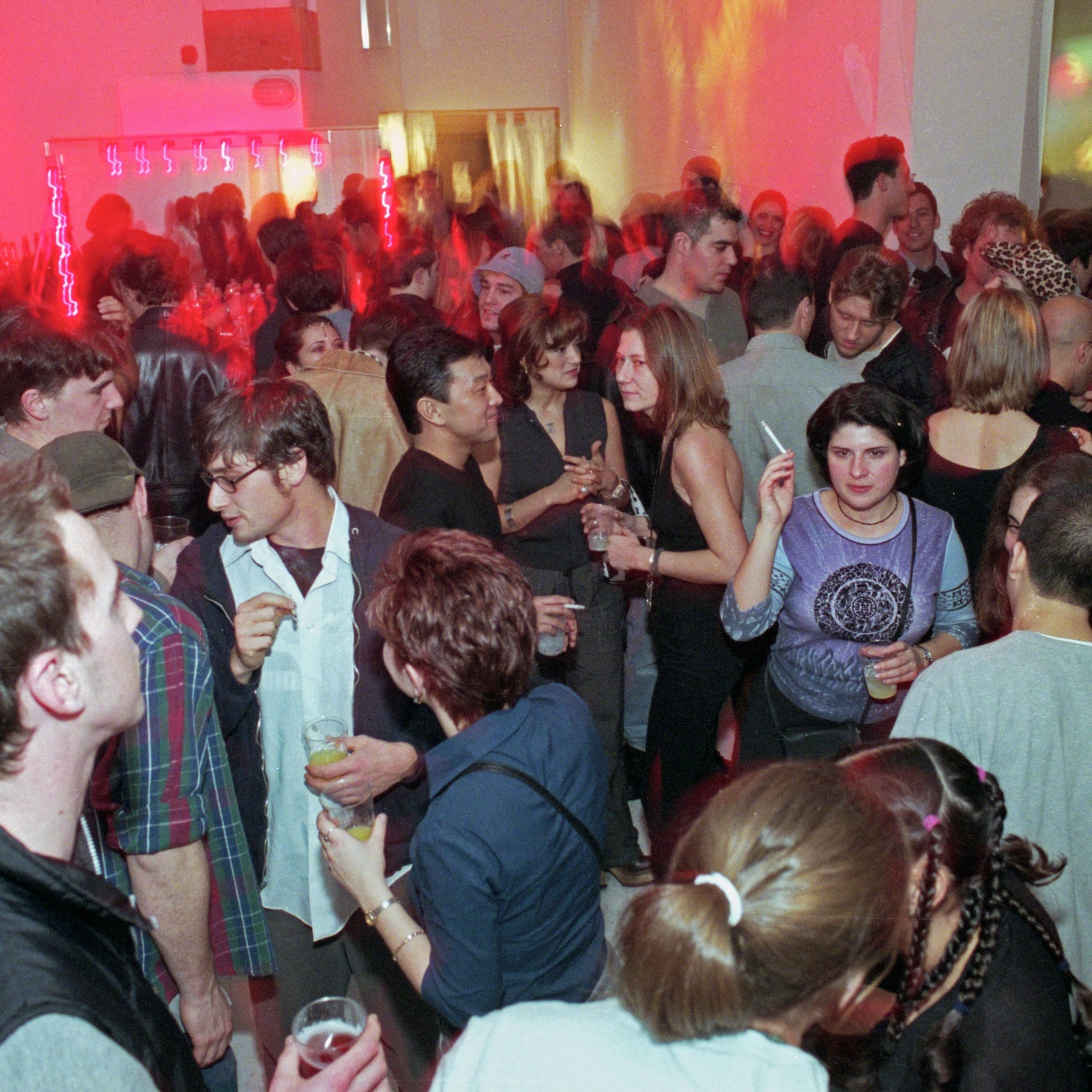
The term covers what sports matches, concert stadiums, religious gatherings, and dance floors all produce. It is the same sensation in each place.
In societies growing more secular, nightlife gives people a way to reach it, a communal euphoric experience that makes them feel part of something bigger than themselves. For most of human history, religion held all of it. The drinking, dancing, and music sat inside religious life, with nothing outside it.
How did Durkheim arrive at this idea?
Durkheim described collective effervescence in The Elementary Forms of Religious Life, published in 1912. He argued that gatherings charged with shared rhythm and emotion make people feel a force larger than themselves, and that this force is the root of religion. His evidence came from ritual gatherings of Aboriginal Australian groups, as recorded by other observers. Durkheim never visited Australia.
Does moving in sync really bond people?
In a 2009 study by Scott Wiltermuth and Chip Heath, groups who walked in step, sang, or moved together cooperated more in a money-sharing game than groups who did not. A 2015 study led by Bronwyn Tarr, Jacques Launay, and Robin Dunbar found that synchronized dancing raised participants' pain thresholds, a common proxy for endorphin release.
Why is it called effervescence?
Effervescence comes from the Latin effervescere, meaning to boil over. Durkheim chose the French word to describe the bubbling energy of a crowd. English uses the same word for the fizzing of a carbonated drink. Durkheim divided the world into the sacred and the profane, and he linked effervescence to sacred experience.
More from Today, Explained