Korva is a scroll of the internet’s best ideas.
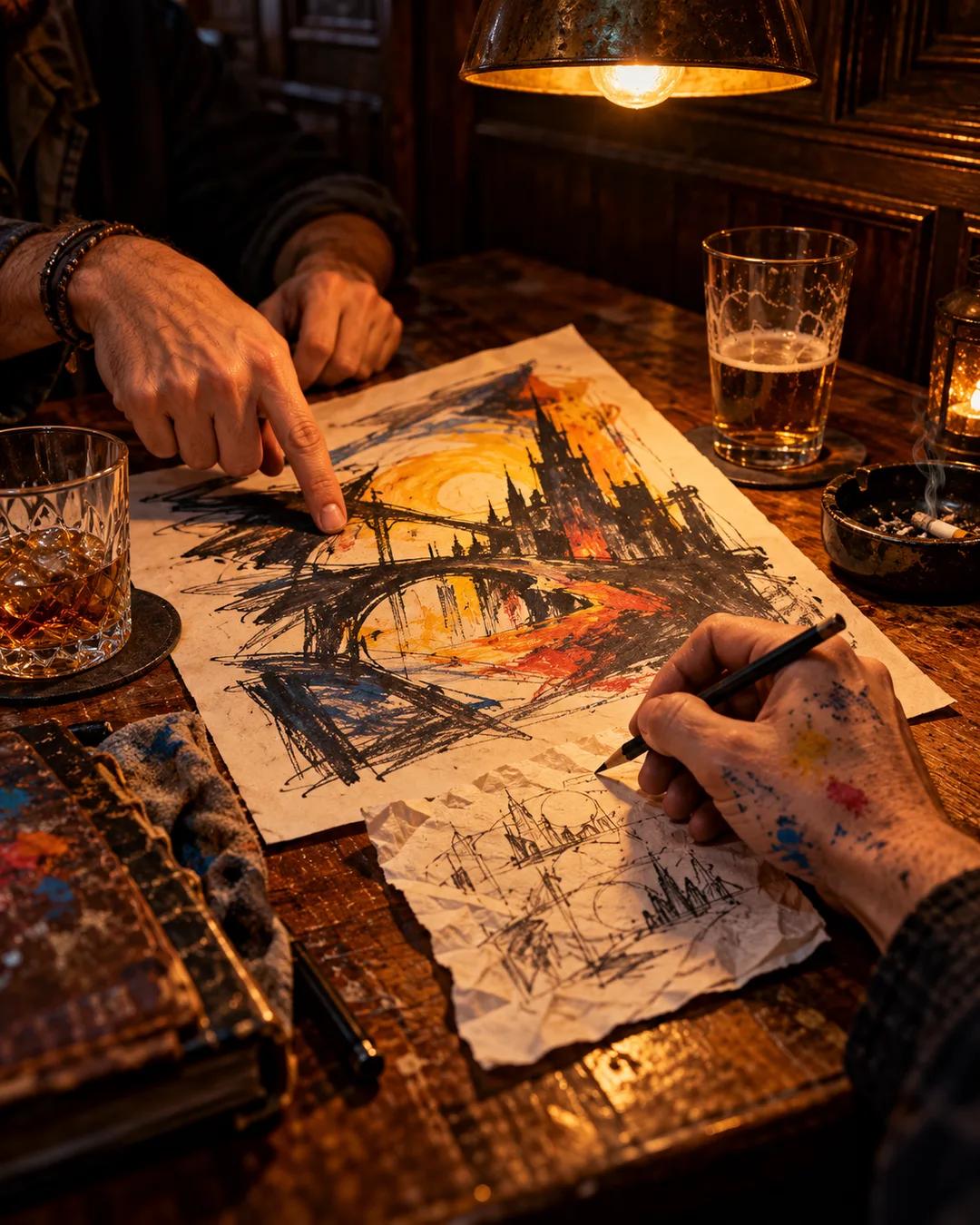
Nightlife gives art a meeting place
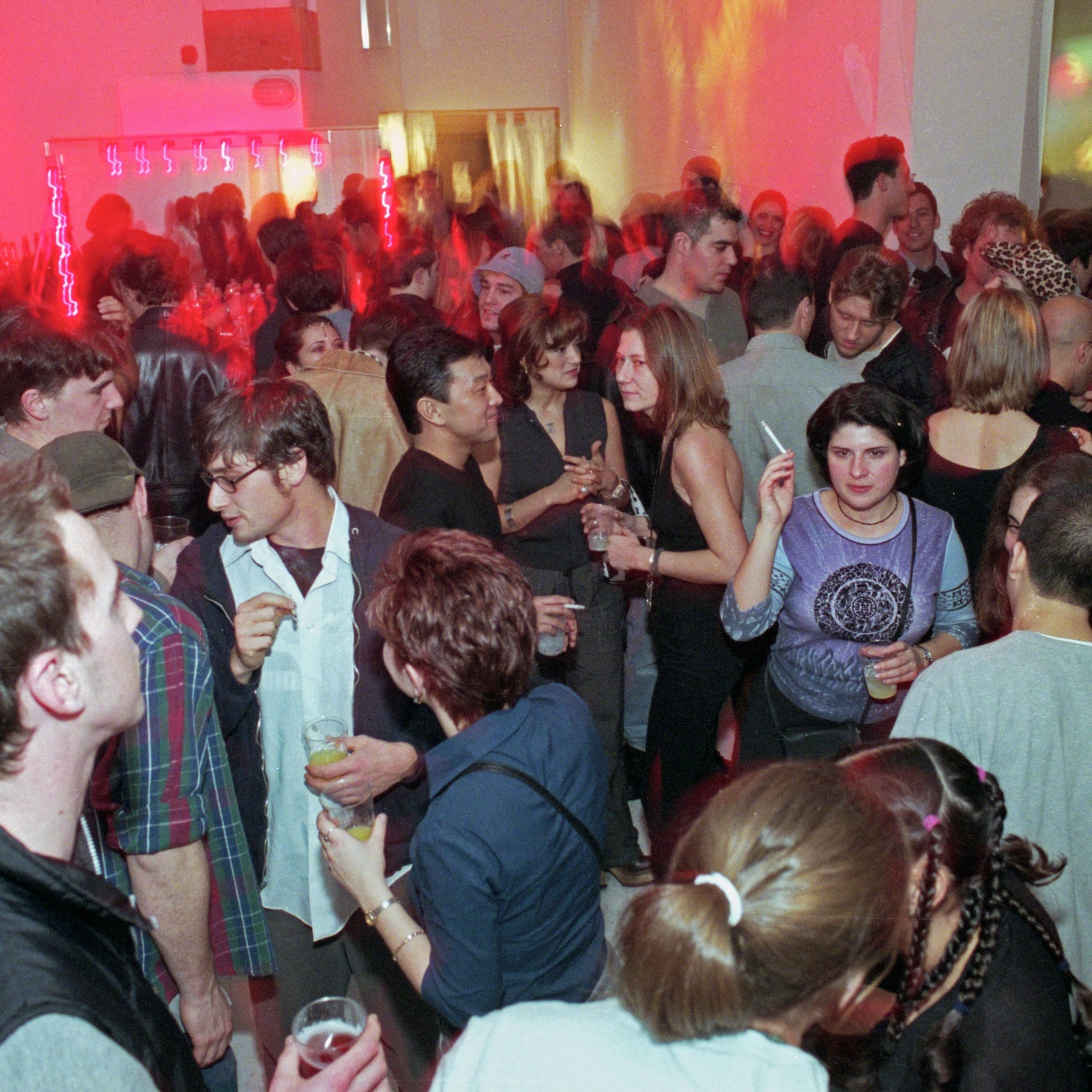
The abstract expressionists of mid-century New York hung out at the Cedar Tavern. The Viennese Secession movement had Kabarett Fledermaus as its meeting space. Nightlife is uniquely poised for experimentation, innovation, and transgression, and it handles the practical side too.
Dance and music created for dance floors and clubbing have followed the same path, from the cancan to disco to techno.
Why did abstract expressionists gather at the Cedar Tavern?
The Cedar Tavern sat in Greenwich Village, close to the studios where many New York painters worked in the 1950s. Willem de Kooning, Franz Kline, and Jackson Pollock were among its regulars, and arguments about painting often ran late into the night. Cheap drinks kept it open to painters with little money, and critics, dealers, and writers drank there too. Beat writers such as Jack Kerouac and Allen Ginsberg drank there as well.
How did the Vienna Secession reach into nightlife?
Josef Hoffmann and Koloman Moser were both founding members of the Vienna Secession, and they went on to found the Wiener Werkstätte, a design workshop. Kabarett Fledermaus opened in Vienna in 1907 with an interior by Werkstätte designers. The workshop aimed to shape everyday objects and rooms as works of art, so the venue's tiles and furniture followed one design. It staged cabaret, theater, and dance until it closed in 1913.
How did the cancan move from dance halls to stages?
The cancan began in Parisian dance halls in the 1830s as a scandalous working-class dance. Jacques Offenbach's 1858 operetta Orpheus in the Underworld carried its galop music to wider audiences. The Moulin Rouge opened in Paris in 1889 and made the cancan its signature act.
More from Today, Explained