Korva is a scroll of the internet’s best ideas.
Death without shedding blood

Boyhood Bond
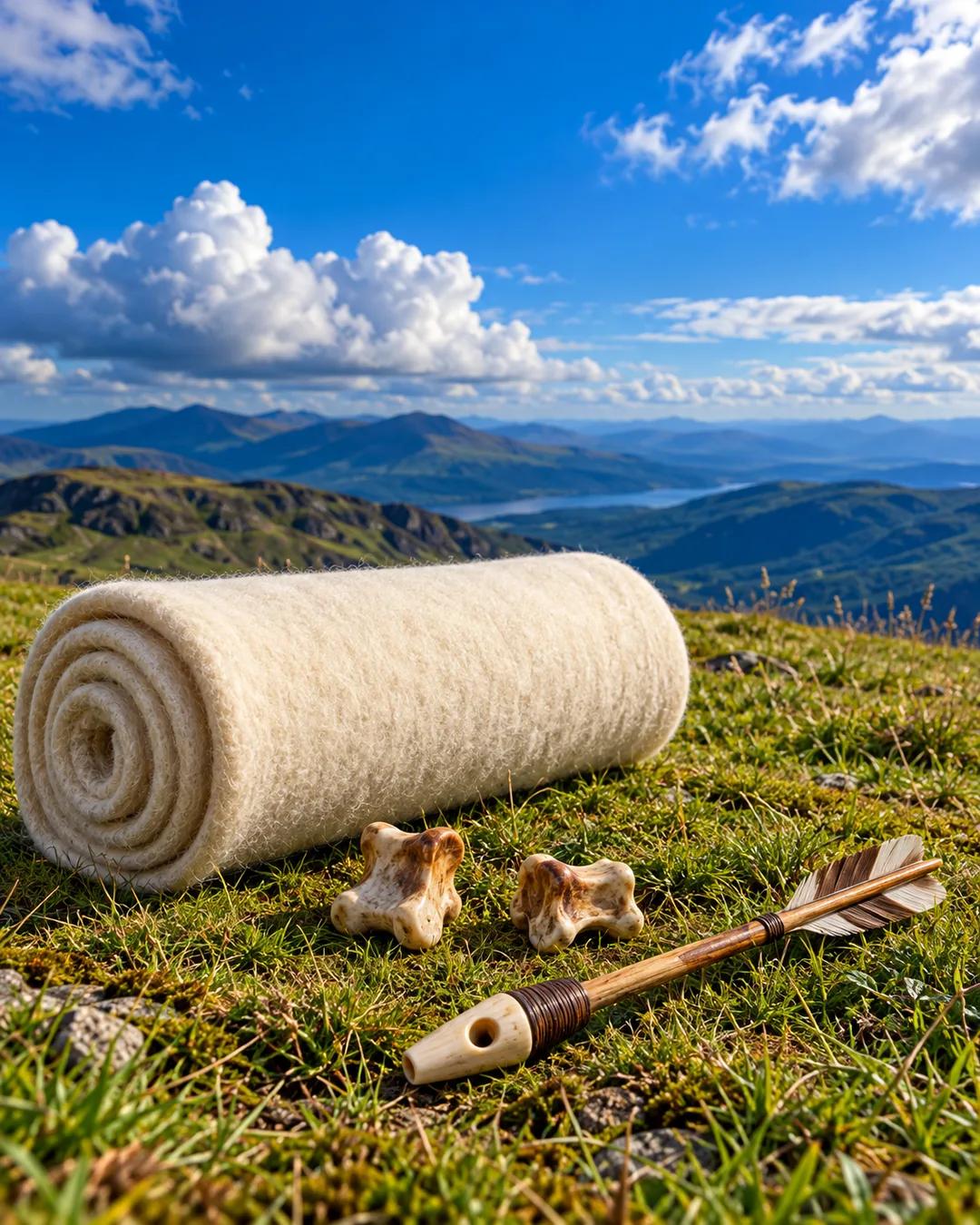
The two boys met playing on the ice near their winter camps and became anda, a word for a bond that goes beyond friendship and lasts for life. At about ten or eleven they swapped knucklebones from roebucks, which were used in games and for forecasting the future. A couple of years later they swapped arrows, Jamukha's a whistling arrow he made by cutting the horn off a two-year-old calf and drilling a hole in it.
Vows and Rivalry
As young men they renewed the vow in front of the whole clan. Jamukha put a gold belt on Temujin, the mark of manhood for a Mongol man, and Temujin gave him a mare that had never foaled. In time they ended up on opposite sides, and Jamukha, with few followers left, took the ancient title Gur Khan. His own people turned on him and captured him to hand over to Genghis Khan, who had those men killed for betraying their leader.
The Last Request
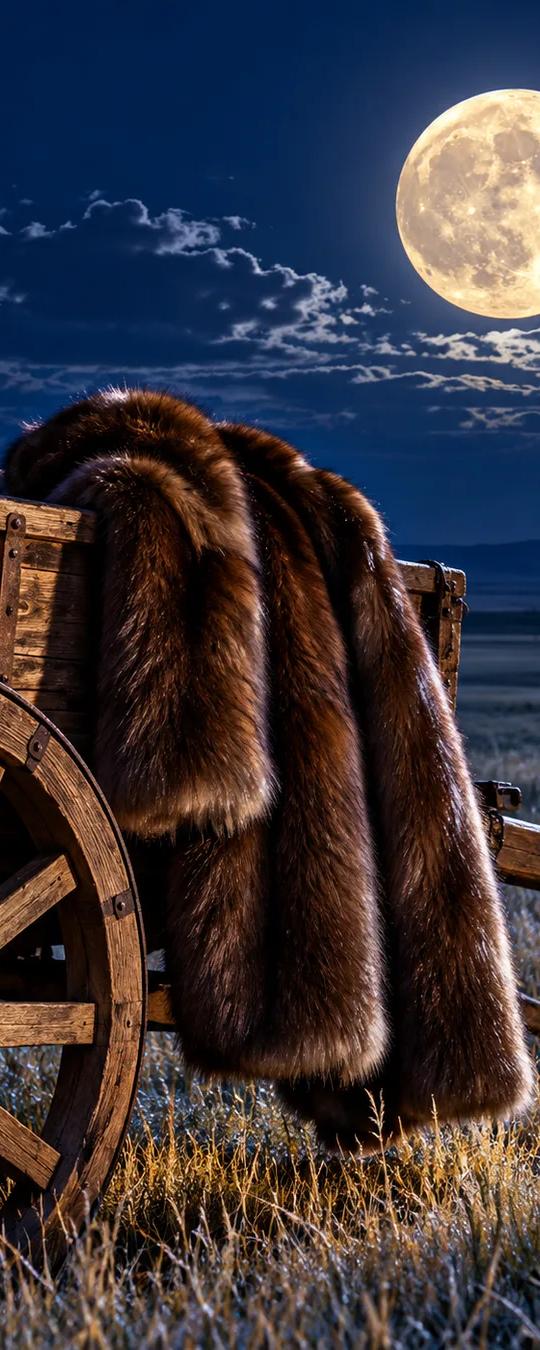
Genghis Khan asked Jamukha to come back and be his shadow and his guard. Jamukha answered that he had betrayed him once and would always be a louse under the collar, a thorn in the lapel. He asked instead to die without blood, because blood holds part of the soul. The usual way was to wrap a person in a felt carpet and beat them or trample them with horses. Genghis Khan ordered it and had Jamukha's remains buried in a high place near Tuva.
Why did Mongols avoid spilling blood?
Mongols held that blood carried part of a person's soul, and that the body of a person of rank should not be marked by it. Nobles and princes were executed by suffocating or breaking the back rather than by a cut. Accounts of the 1258 fall of Baghdad say the last Abbasid caliph was killed in a way that spilled no blood, though the details vary between sources. The Secret History describes Jamukha's death in the same terms.
How do knucklebone games work?
Mongolian knucklebone games use sheep ankle bones called shagai. Each bone has four distinct sides, named for a horse, a sheep, a goat, and a camel. Players flick or throw the bones and score by which sides land up. The bones are also used to tell fortunes in Mongolia.
How does a whistling arrow work?
A whistling arrow carries a hollowed piece of horn or bone with holes drilled in it. Air passing through the holes as the arrow flies produces a loud whistle. Steppe peoples used them to signal across distances in battle and on hunts. The Chinese chronicles of the Xiongnu already describe whistling arrows as a signal among steppe horsemen.
More from Lex Fridman Podcast