Korva is a scroll of the internet’s best ideas.
Deep sleep moves memories to storage
Electrodes placed all over the head show big, powerful brain waves in the deepest stages of sleep, with spectacular bursts of electrical activity called sleep spindles riding on top. Together, the quality of these waves acts like a file transfer mechanism. The cortex is the big wrinkled tissue at the top of the brain.
That transfer gives two benefits by the next morning. The memories of the day before are protected in long-term storage, so they are remembered rather than forgotten.
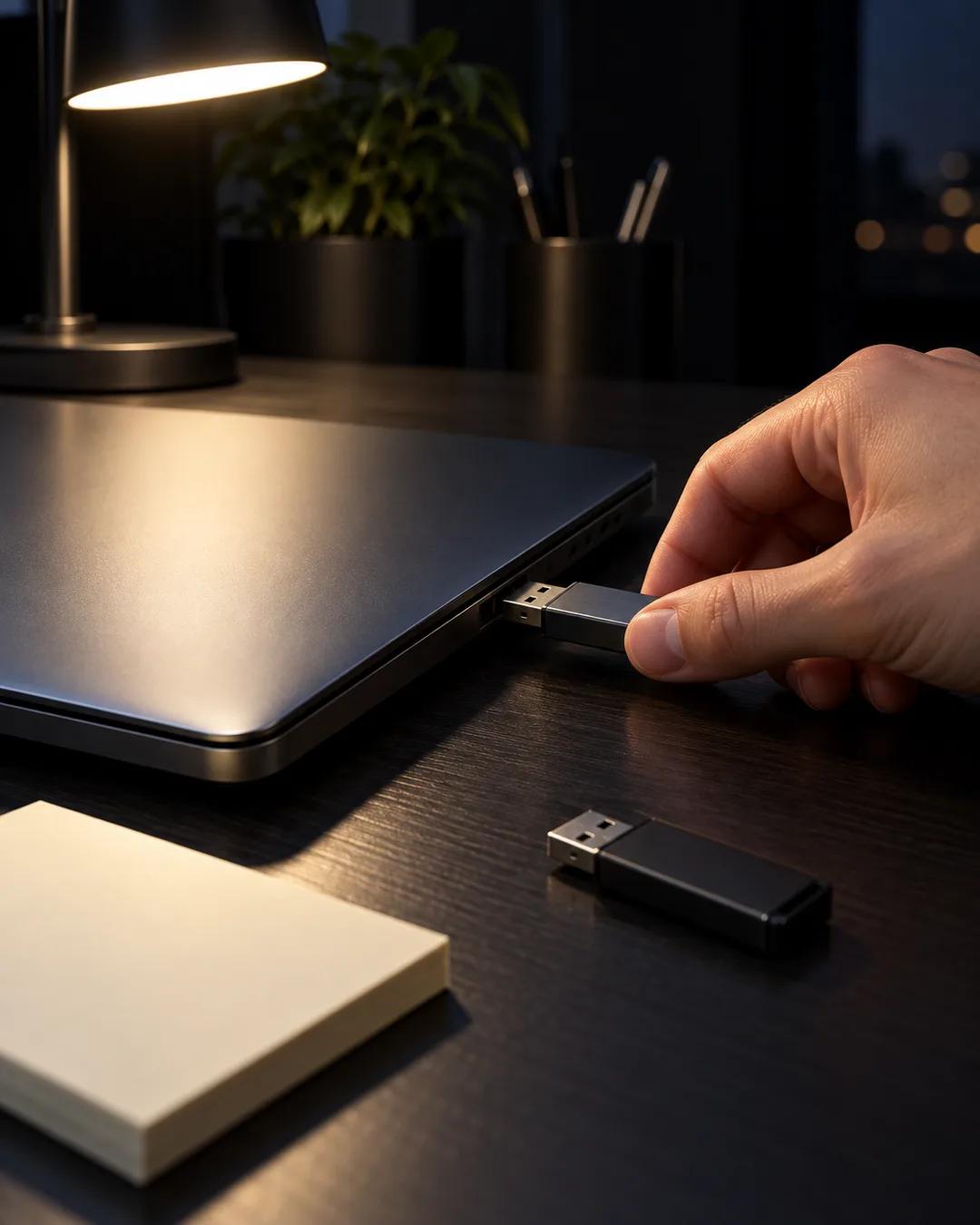
The second benefit is like moving files off a USB stick: the short-term reservoir is cleared of its memory encoding capacity, so new files can be acquired all over again. It is a symbiotic system that runs every night.
What produces sleep spindles?
Spindles are brief bursts of brain activity at about 12 to 15 cycles per second, lasting a second or two. They come from loops between the thalamus, a relay hub deep in the brain, and the cortex. Their name comes from the spindle-like shape they make on an electroencephalogram. They are most common in the lighter stage that precedes deep sleep and ride on the slow waves of deep sleep.
Why does the brain need two memory stores?
The complementary learning systems theory, proposed by James McClelland, Bruce McNaughton, and Randall O'Reilly in 1995, offers an answer. The hippocampus learns new information fast but has limited room. The cortex learns slowly and integrates facts into an existing web of knowledge. Fast learning in the cortex alone would overwrite older knowledge.
How do we know the brain replays memories?
In 1994, Matthew Wilson and Bruce McNaughton recorded from hippocampal place cells in rats that had just run through a maze. During later sleep, the same cells fired again in the same order as during the run. Later studies found that this replay happens alongside sleep spindles and slow waves. The finding gave direct evidence for memory reactivation in sleep.
More from Talks at Google