Korva is a scroll of the internet’s best ideas.
Disagreement becomes their identity

Strangers online
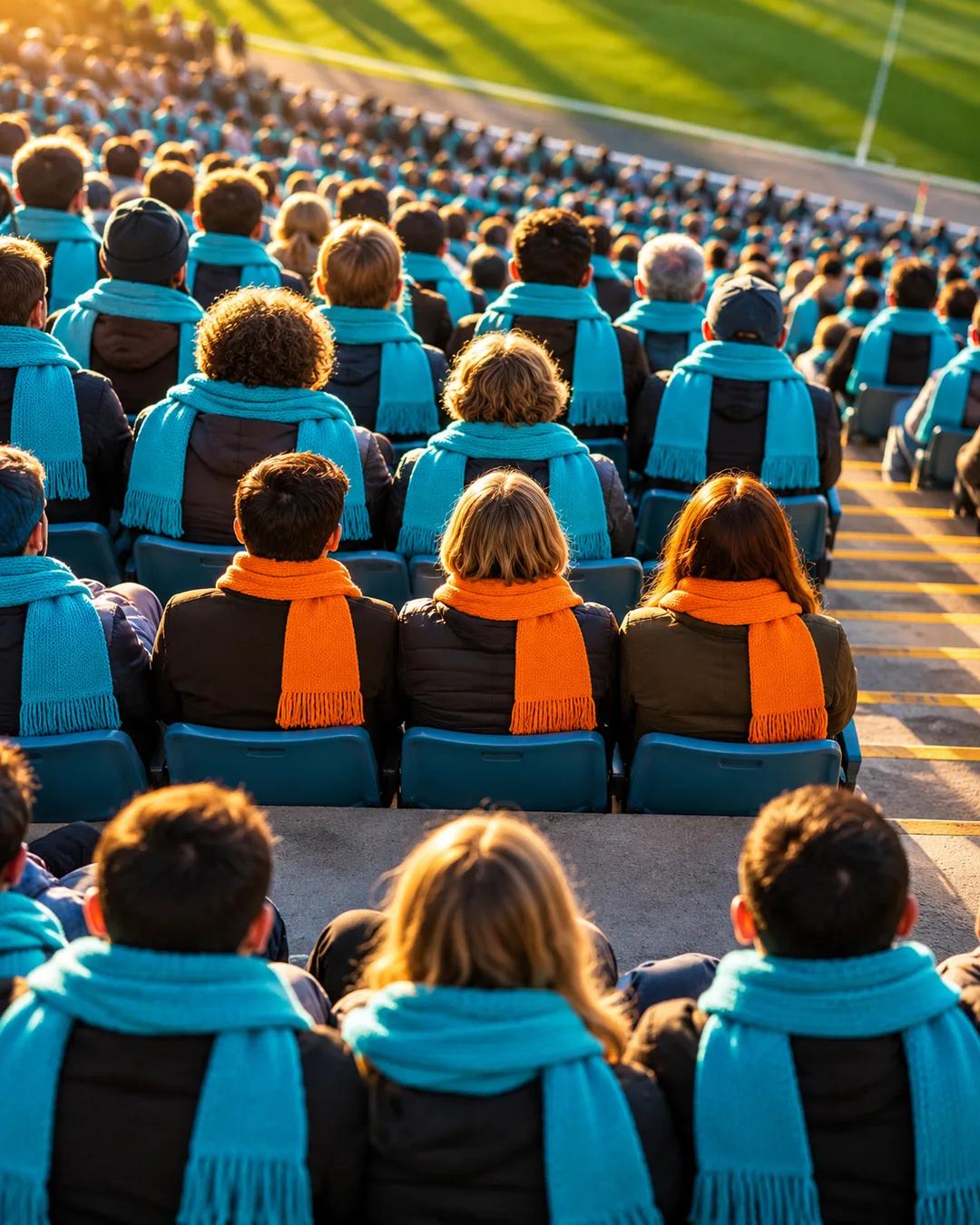
On the social internet, people run into strangers whose opinions or information clash with their own. Unlike a neighbor, these strangers don't root for the same local sports club, so the brain has no local social glue to align with them. The disagreement becomes a central part of their identity.
That makes it less likely anyone will seriously consider their position in the future. Bad things heard about them get believed uncritically.
Shared world views
People who share a person's world view get the reverse treatment. Some are even more similar to that person than many people in real life, so the brain likes them a lot and hyper-aligns with them. People who think alike are probably good people, since the person is a good person and whatever social group they belong to is good. Bad things heard about them get dismissed uncritically.
Social sorting
Researchers call this process social sorting. It goes further than simple tribalism. It is especially strong in the US, where the two party system makes it easy to think of people as teams and negative opinion about the other party has reached record highs.
Why does disagreement feel like a threat?
Social psychologist Henri Tajfel ran experiments in the early 1970s in which schoolboys were split into groups on trivial grounds, such as which of two painters they preferred. The boys then gave more rewards to members of their own group, even though they knew the groups meant nothing. His findings became the basis of social identity theory, which holds that people draw part of their self-image from the groups they belong to.
How did hostility between US parties grow?
The Pew Research Center tracked this in its surveys of American adults. In its 2014 report on political polarization, Pew found that the share of Democrats with a very unfavorable view of the Republican Party had grown from 17 percent in 1994 to 38 percent. Among Republicans, the share with a very unfavorable view of the Democratic Party grew from 16 percent to 43 percent over the same two decades.
How does a two-party system build teams?
Political scientists link two-party systems to winner-take-all elections, where each district sends one representative and smaller parties rarely win seats. French sociologist Maurice Duverger described the pattern in the 1950s, and it became known as Duverger's law. With only two realistic choices, a wide range of issues gets bundled behind one party label or the other.
More from Kurzgesagt – In a Nutshell