Korva is a scroll of the internet’s best ideas.
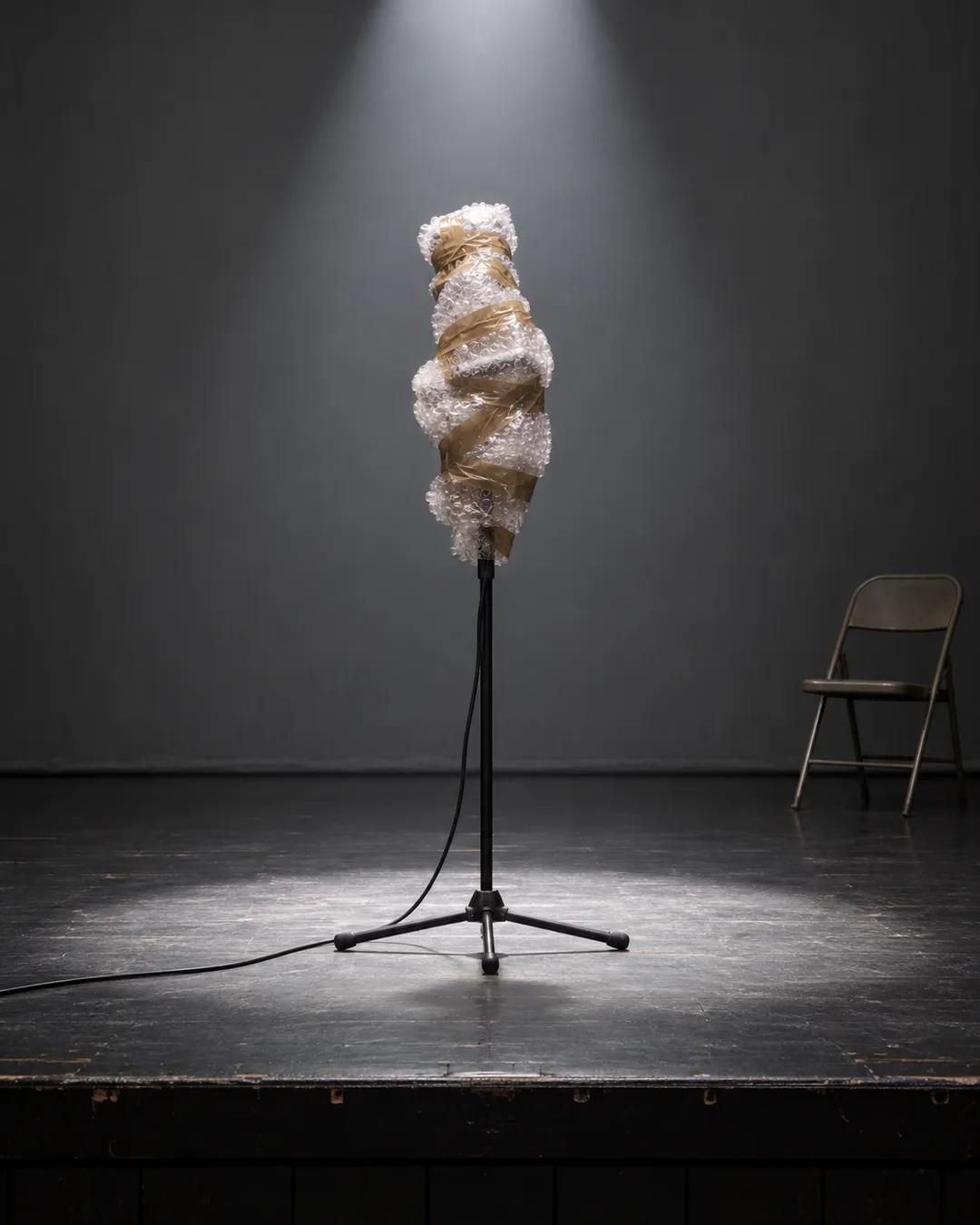
Dodging criticism warps your work
Mirror of audience capture
The question driving it is what people will most likely criticize and how to get ahead of that. Writer Ethan Strauss named the pattern. Where audience capture is acting out of encouraging desire, criticism capture is acting out of defense against hate.
Two ways it shows up
It takes two forms. One is heavy caveating: throat-clearing before any point, a sort of land acknowledgement, until the person has made themselves so inoffensive that nothing can be criticized. The other is storming out of the gates, ardent and militant, shadowboxing an imaginary opponent to scare critics off.
Both come down to reward and pain, with people working those two levers to get as much pleasure and as little discomfort as possible. It leaves a creator on eggshells, and instant social media feedback makes it harder: an artist can walk off a stage, sit in the green room, and already be reading tweets.
Why does criticism loom larger than praise?
In a 2001 review titled Bad Is Stronger Than Good, Roy Baumeister and colleagues surveyed research across psychology and found that negative events usually have a bigger effect than positive ones of the same size. Bad feedback, bad impressions, and bad emotions were all stronger and longer lasting in the studies they examined. This pattern is often called negativity bias. Their review appeared in the Review of General Psychology.
Do people really notice us as much as we think?
In a 2000 study at Cornell, Thomas Gilovich, Victoria Medvec, and Kenneth Savitsky had students wear an embarrassing Barry Manilow T-shirt into a room of peers. The students guessed that about half of the people in the room would notice the shirt. In fact, only about a quarter did. Gilovich named the pattern the spotlight effect.
More from Modern Wisdom